



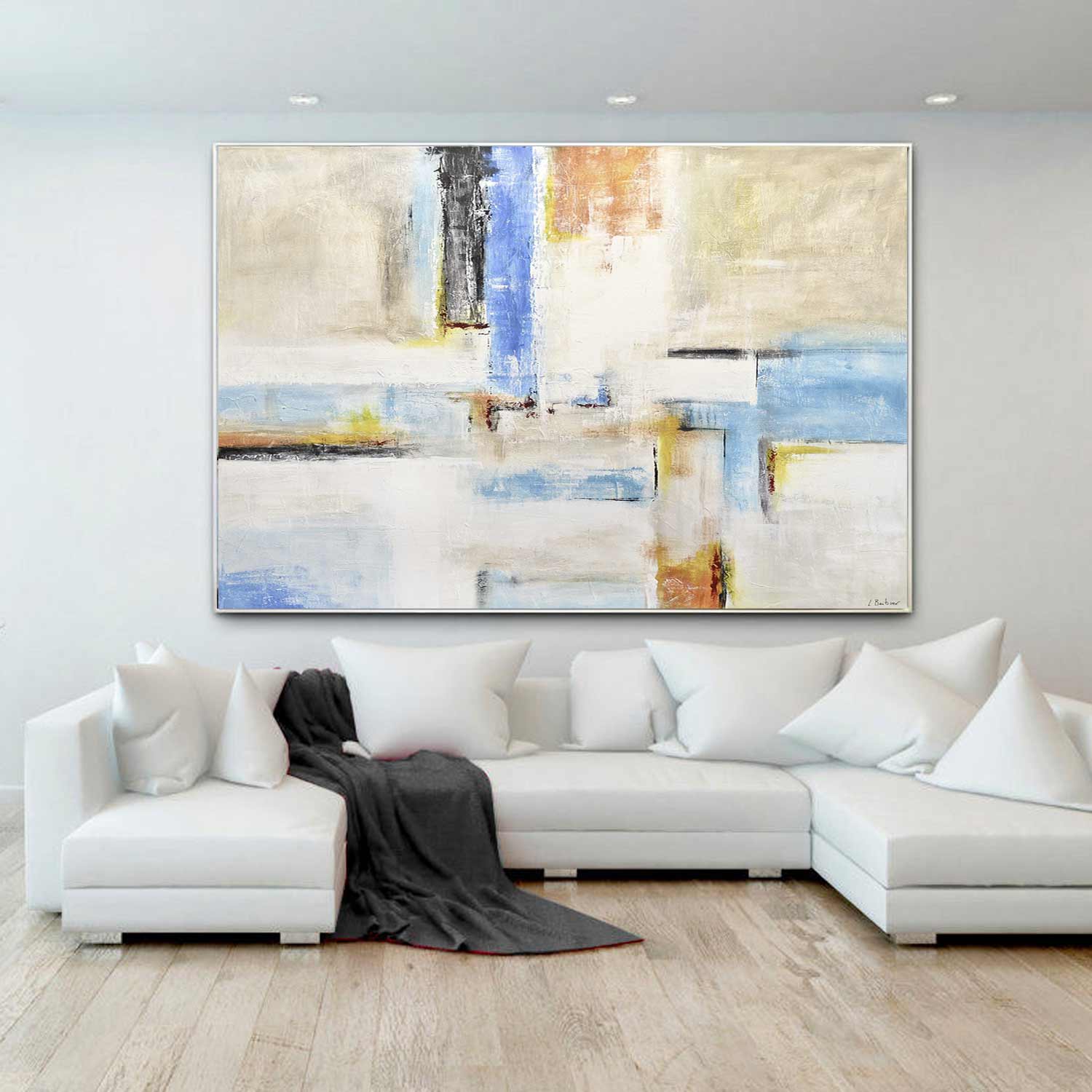
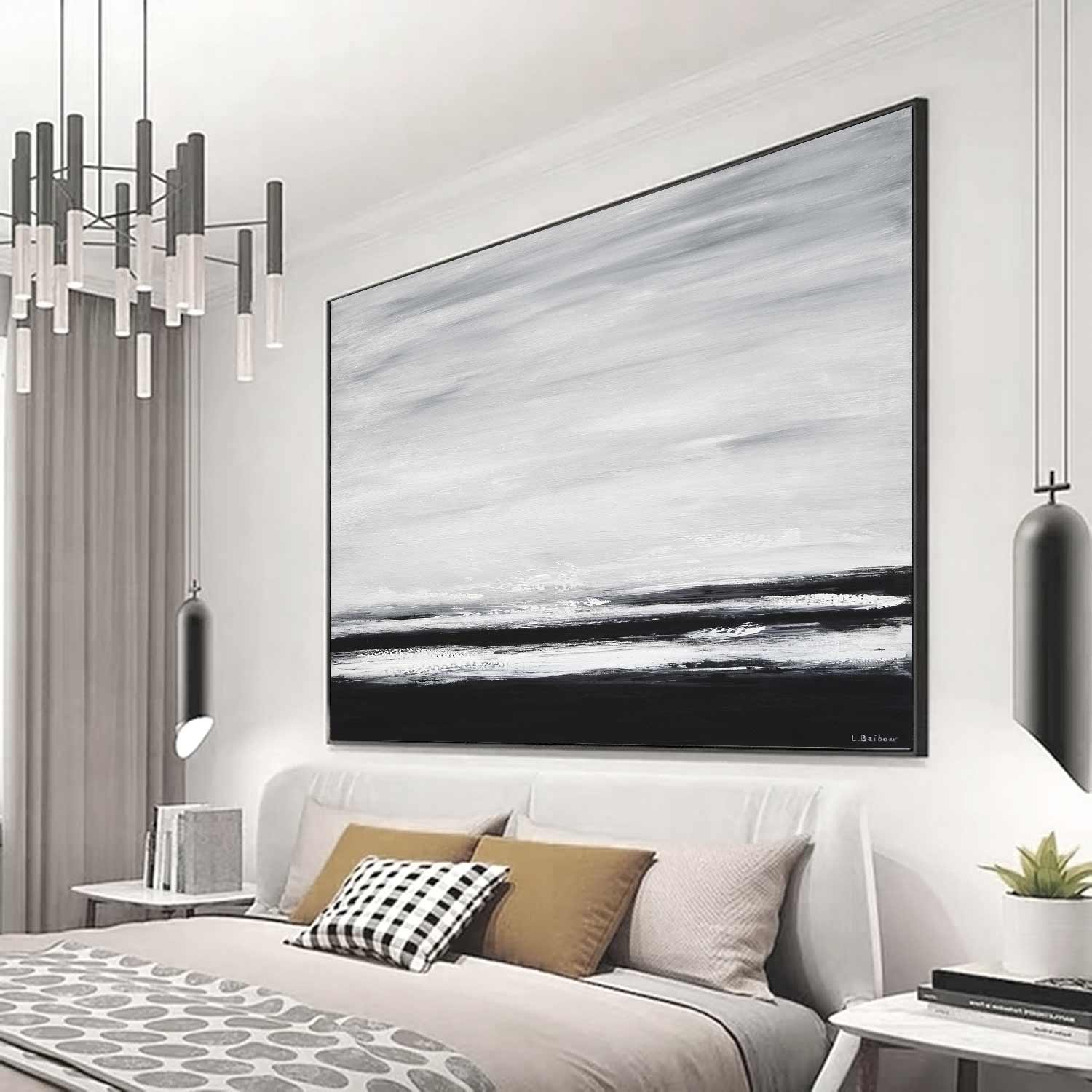
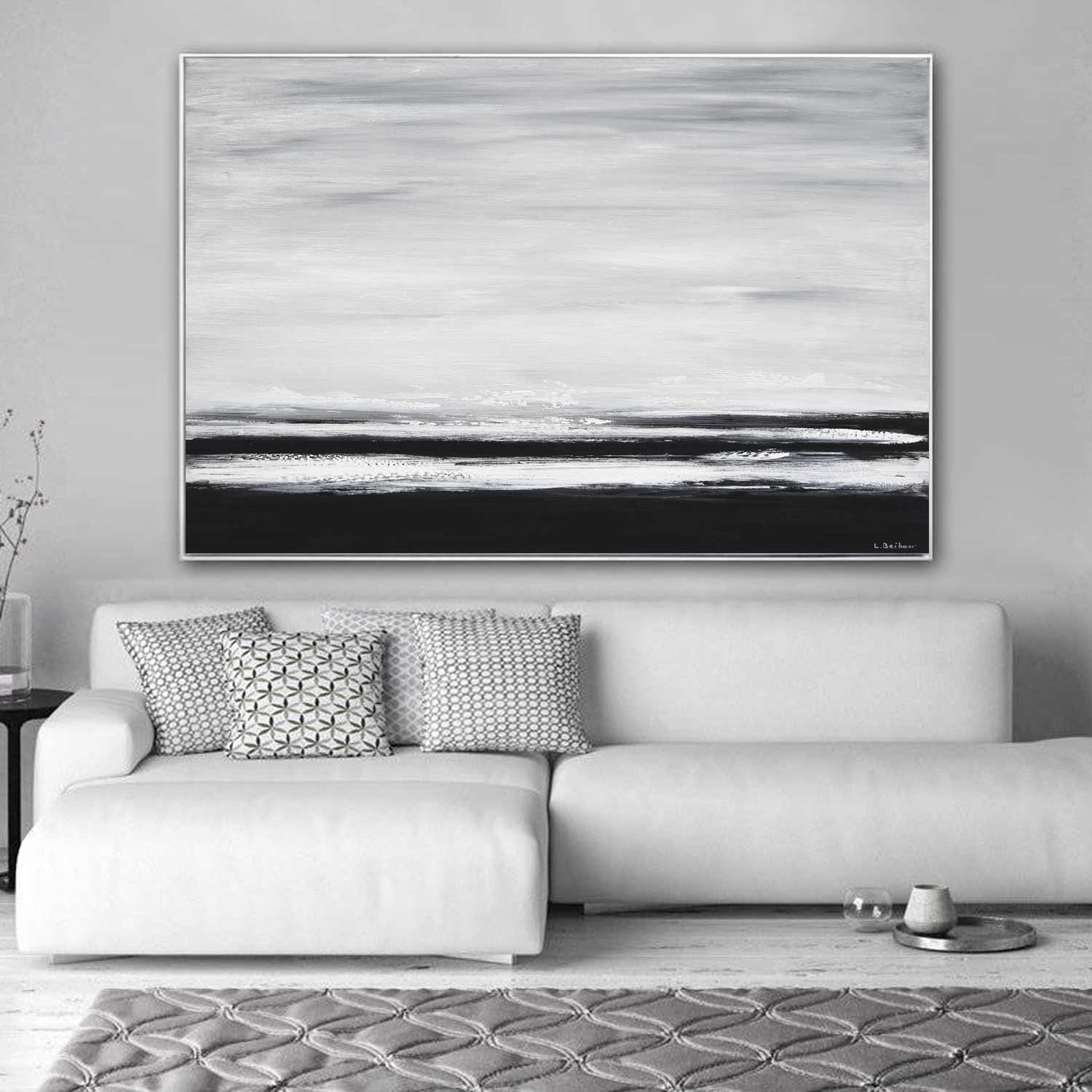
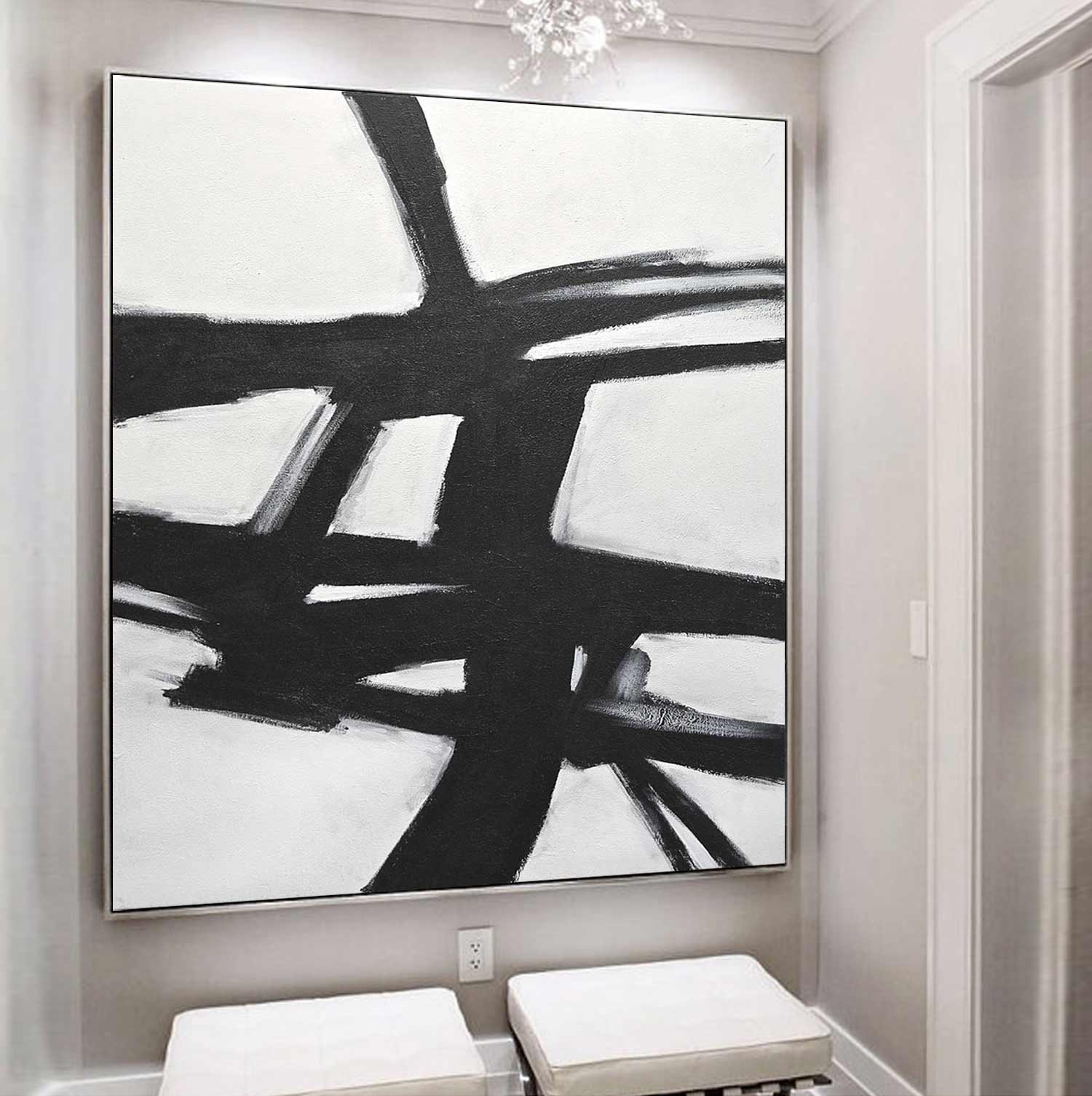
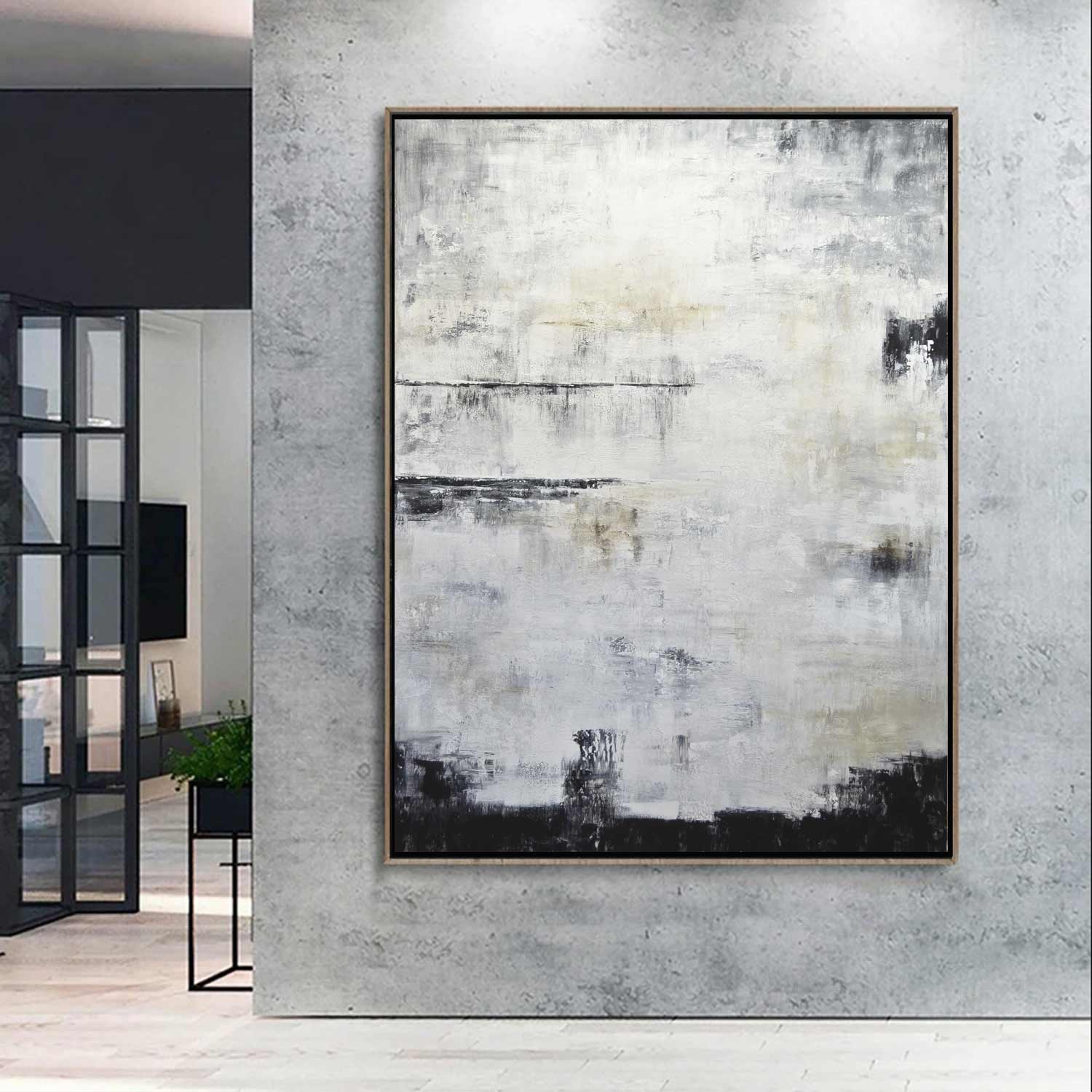
Corporate Office Art for Professional Spaces
Office paintings can do more than fill empty walls. The right artwork can help a workplace feel more polished, welcoming and complete. Whether you are choosing art for a reception area, conference room, executive office, hallway or employee lounge, the goal is to select pieces that support the way each space is used.
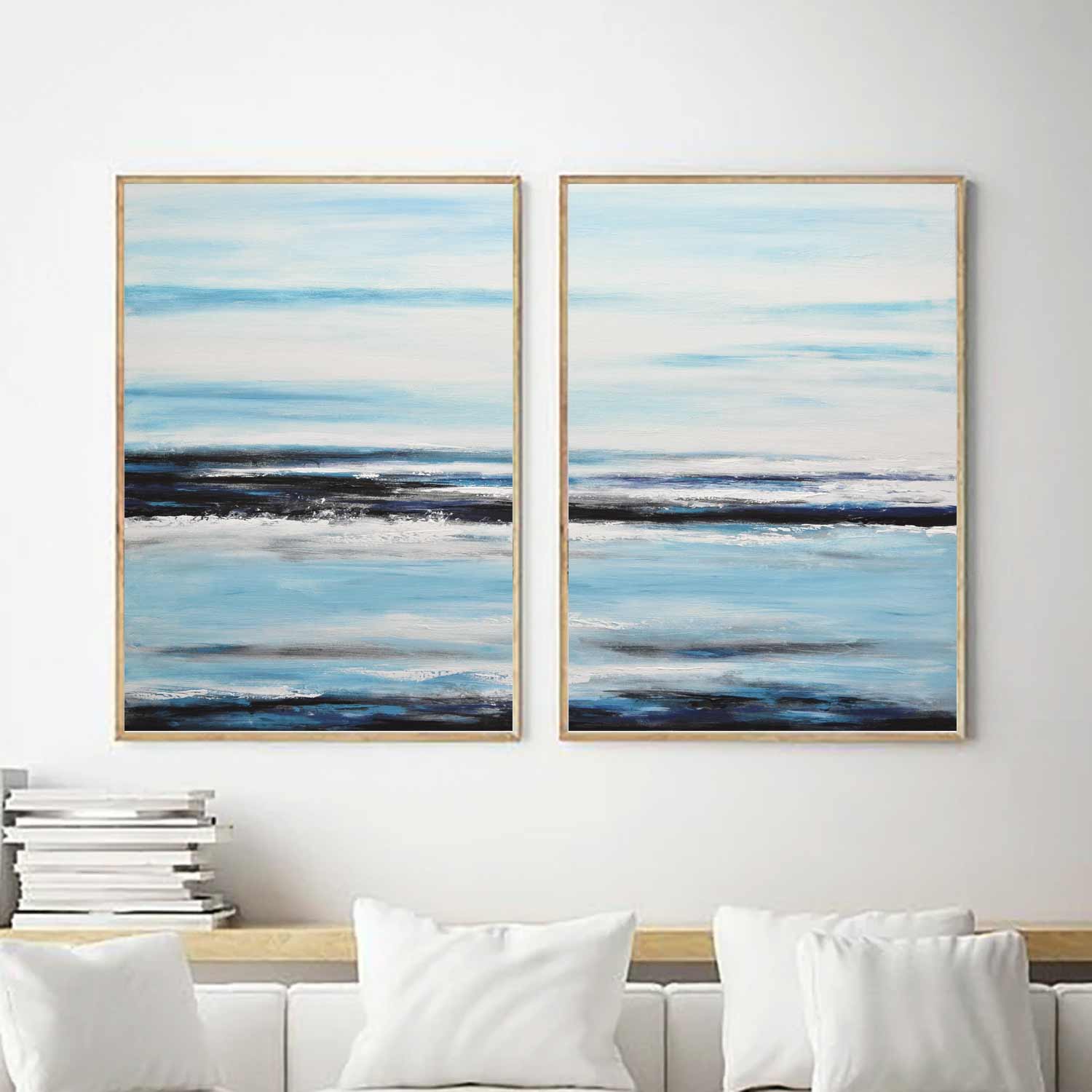
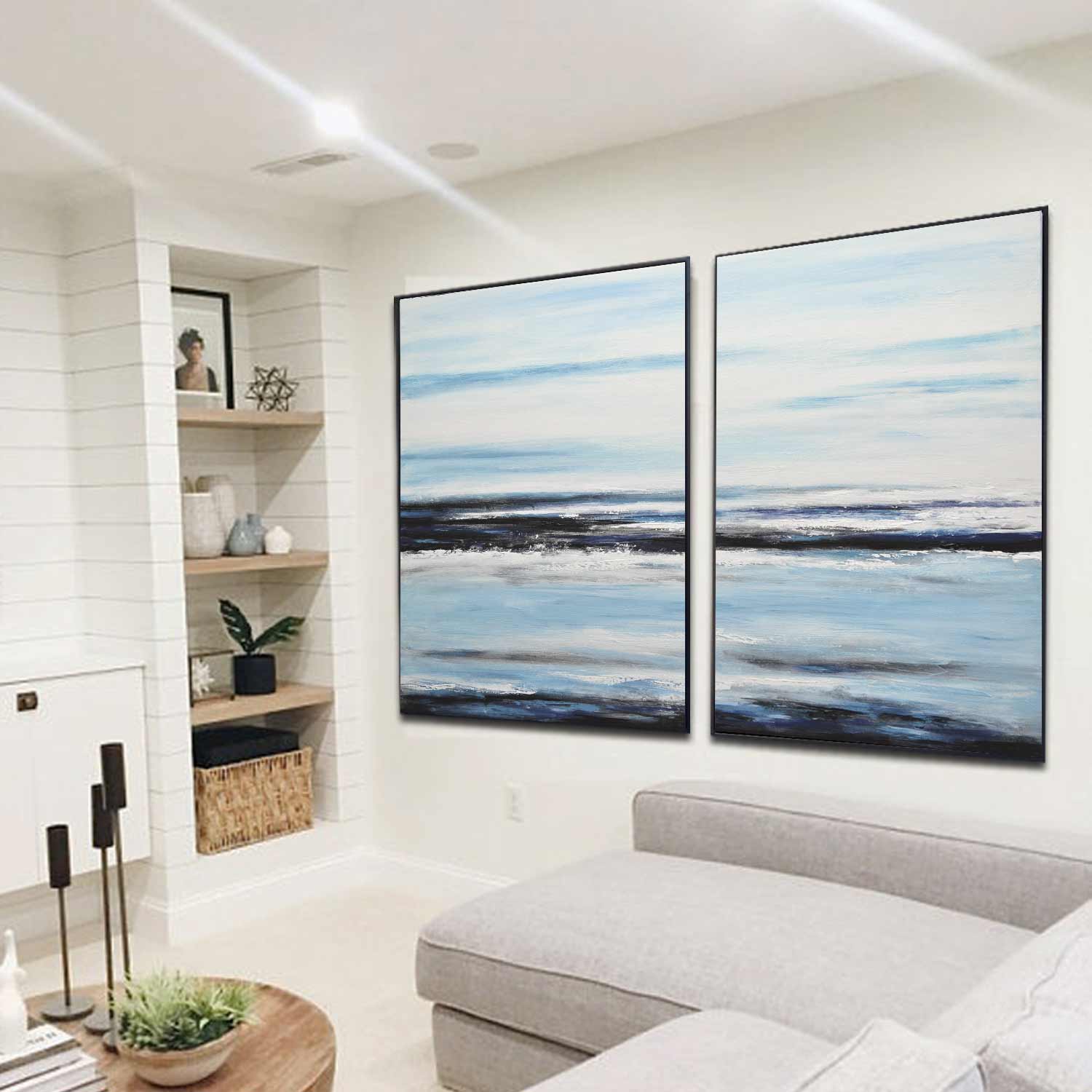
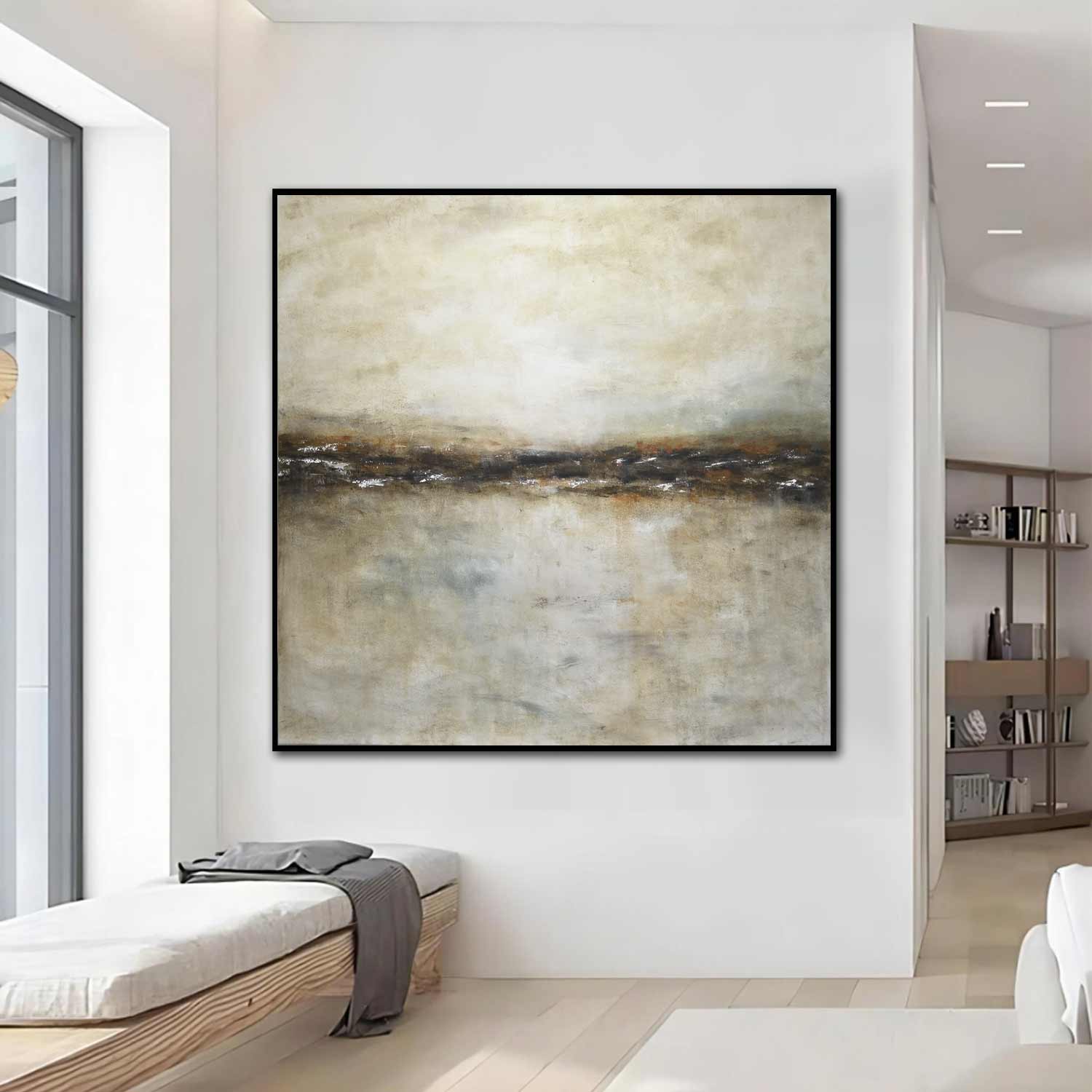
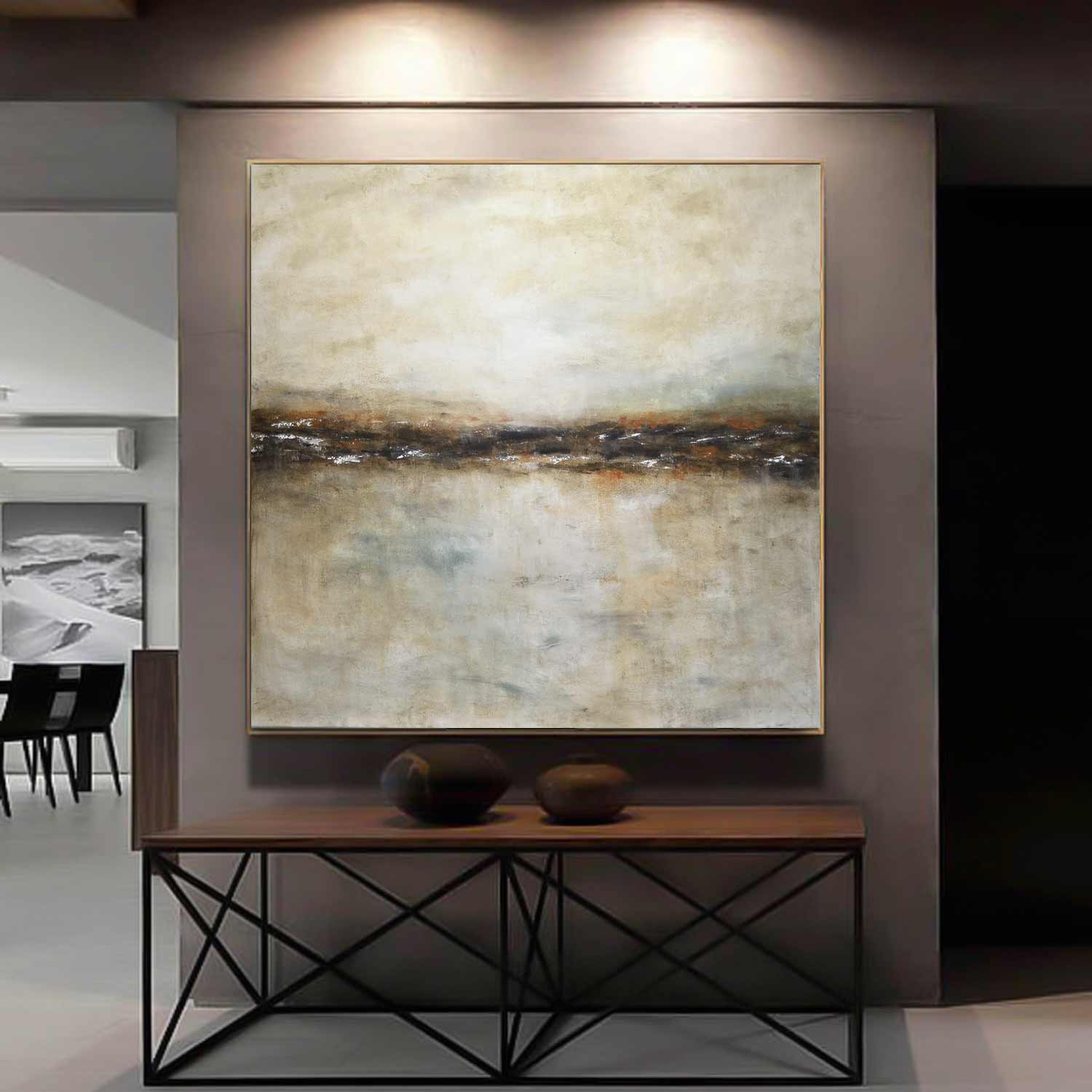
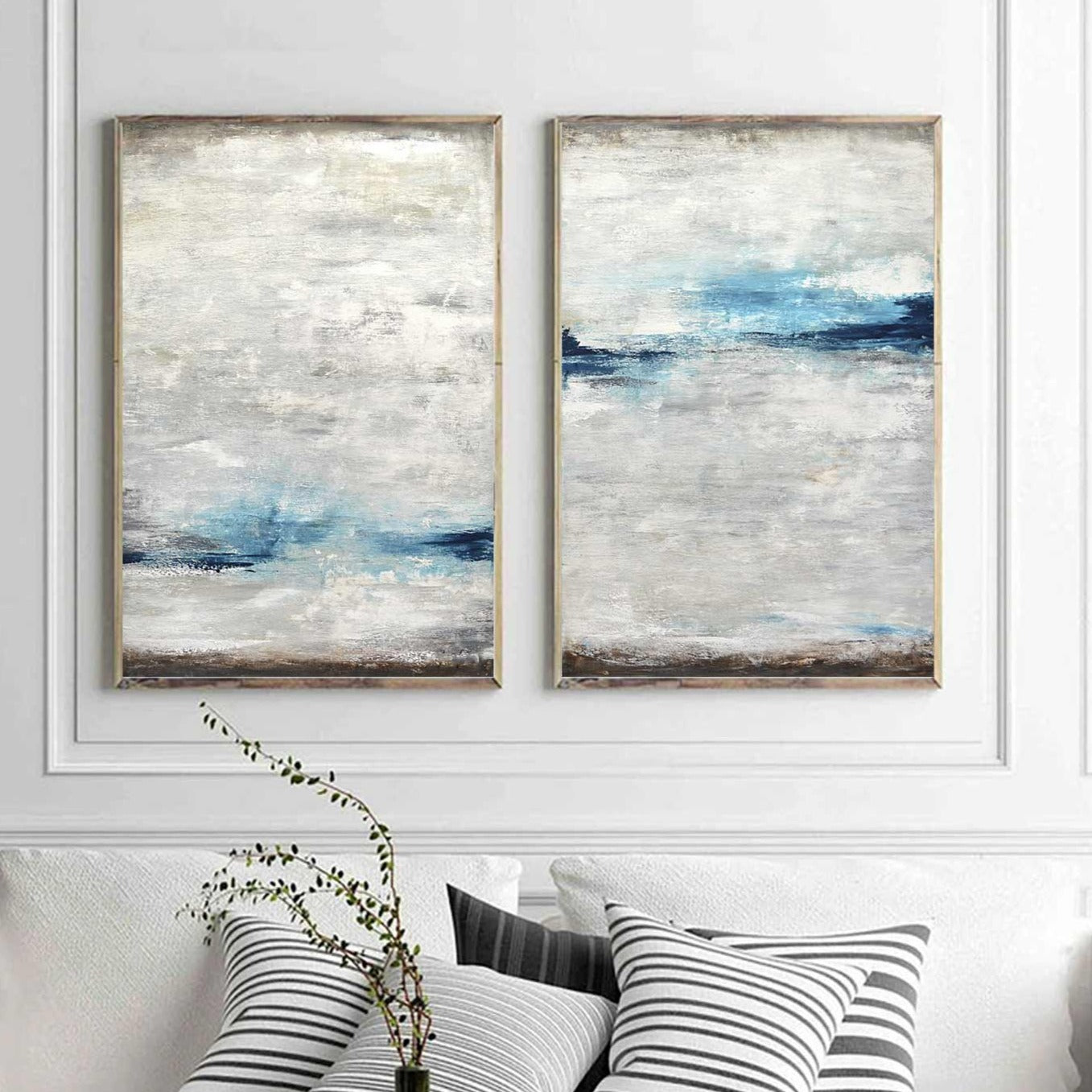
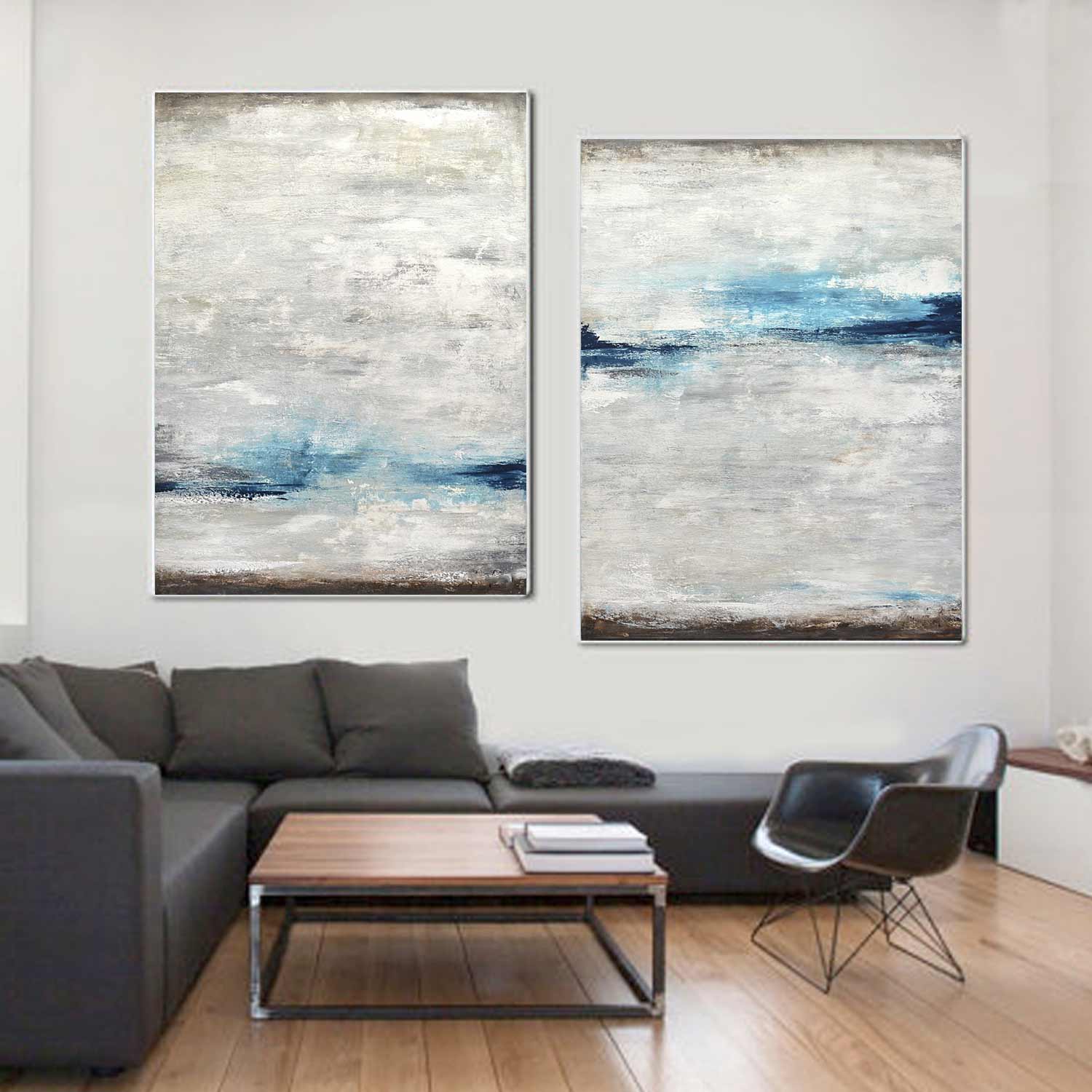
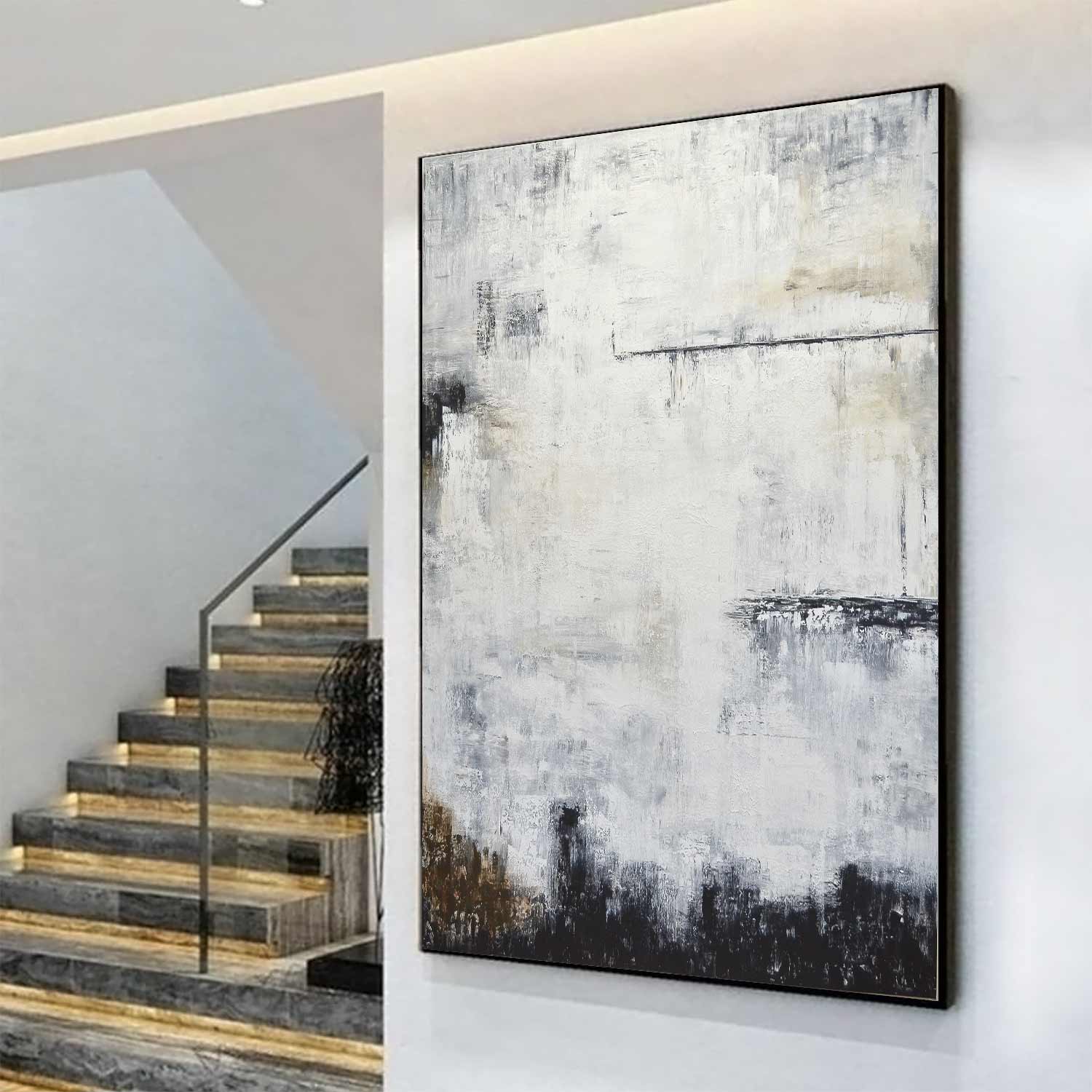
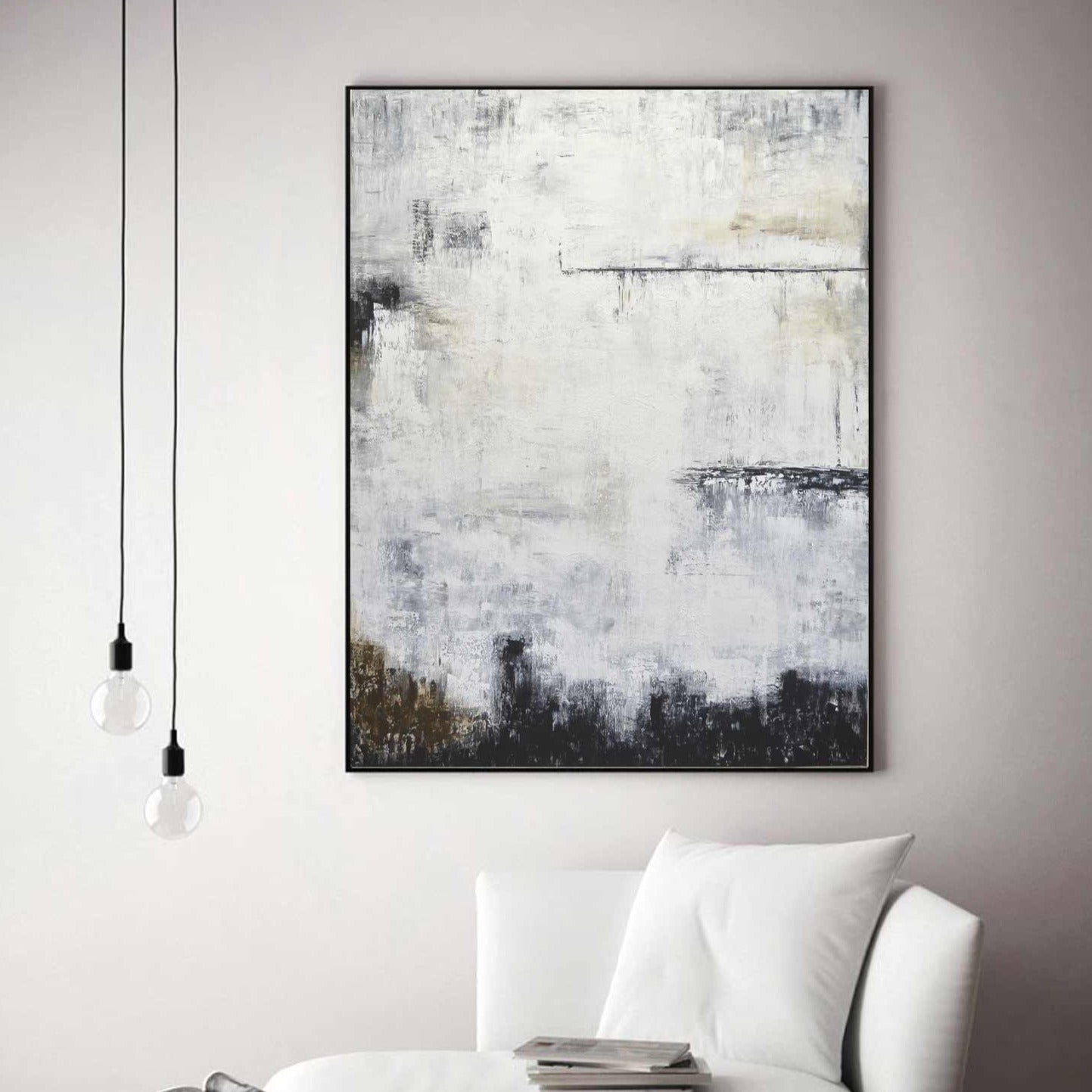
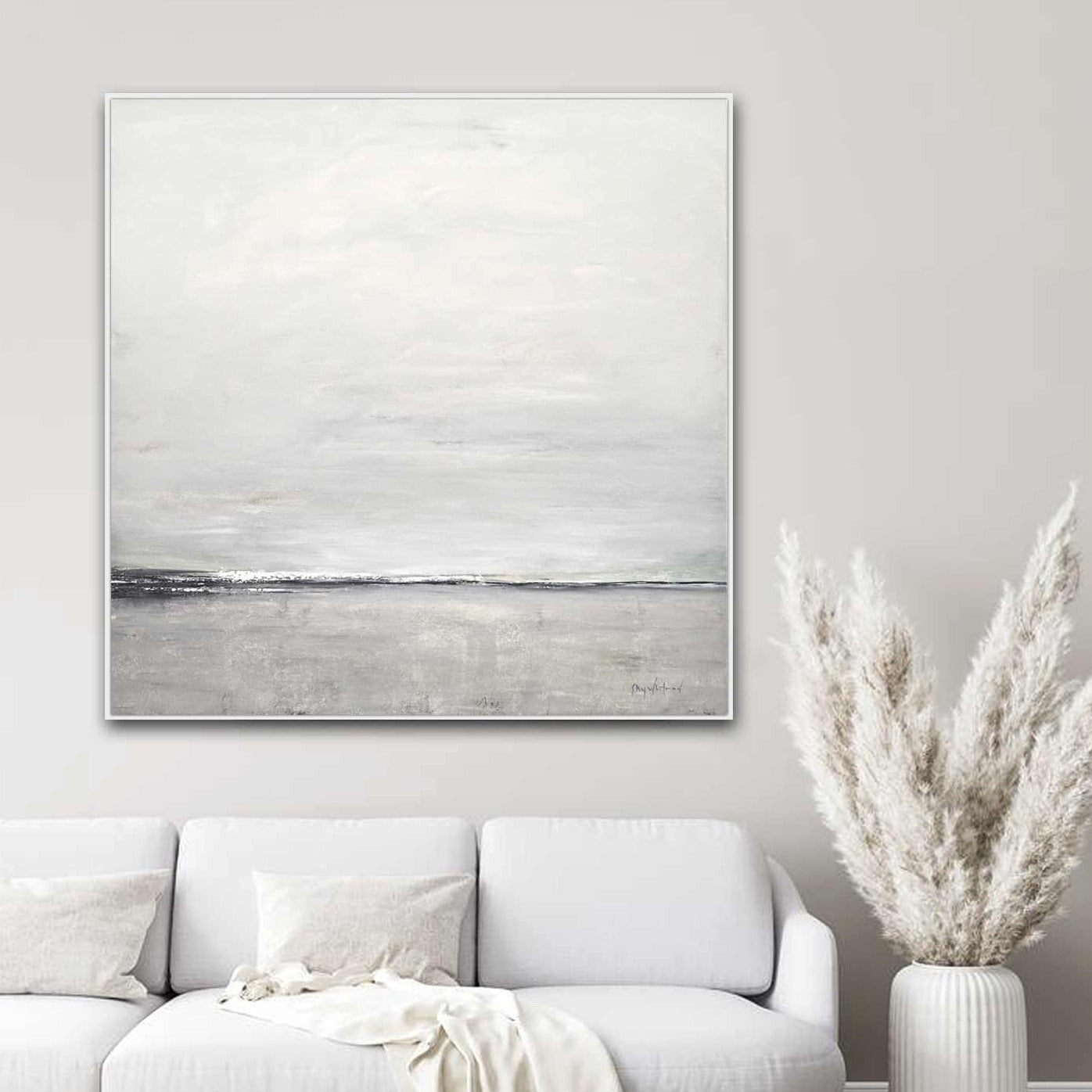
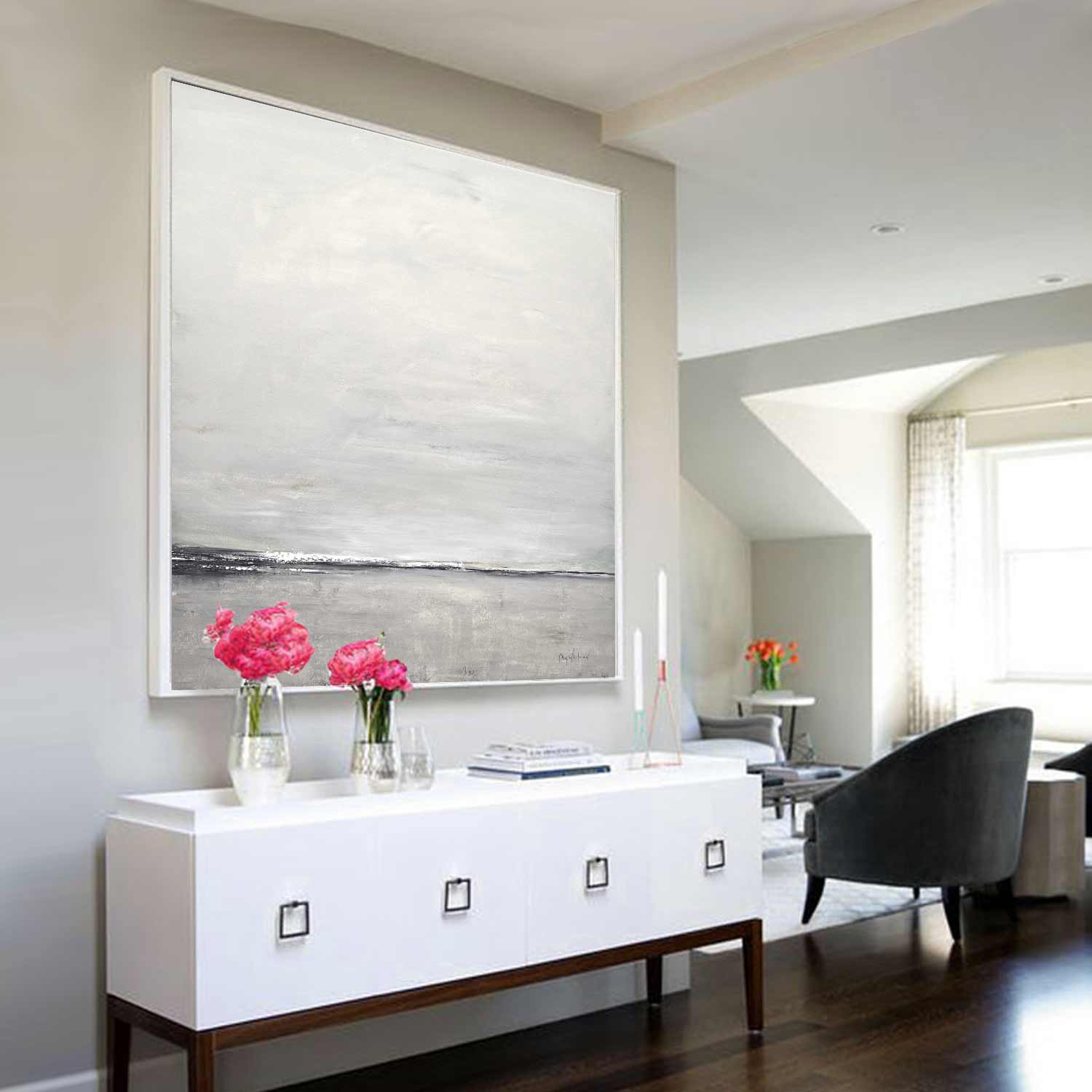
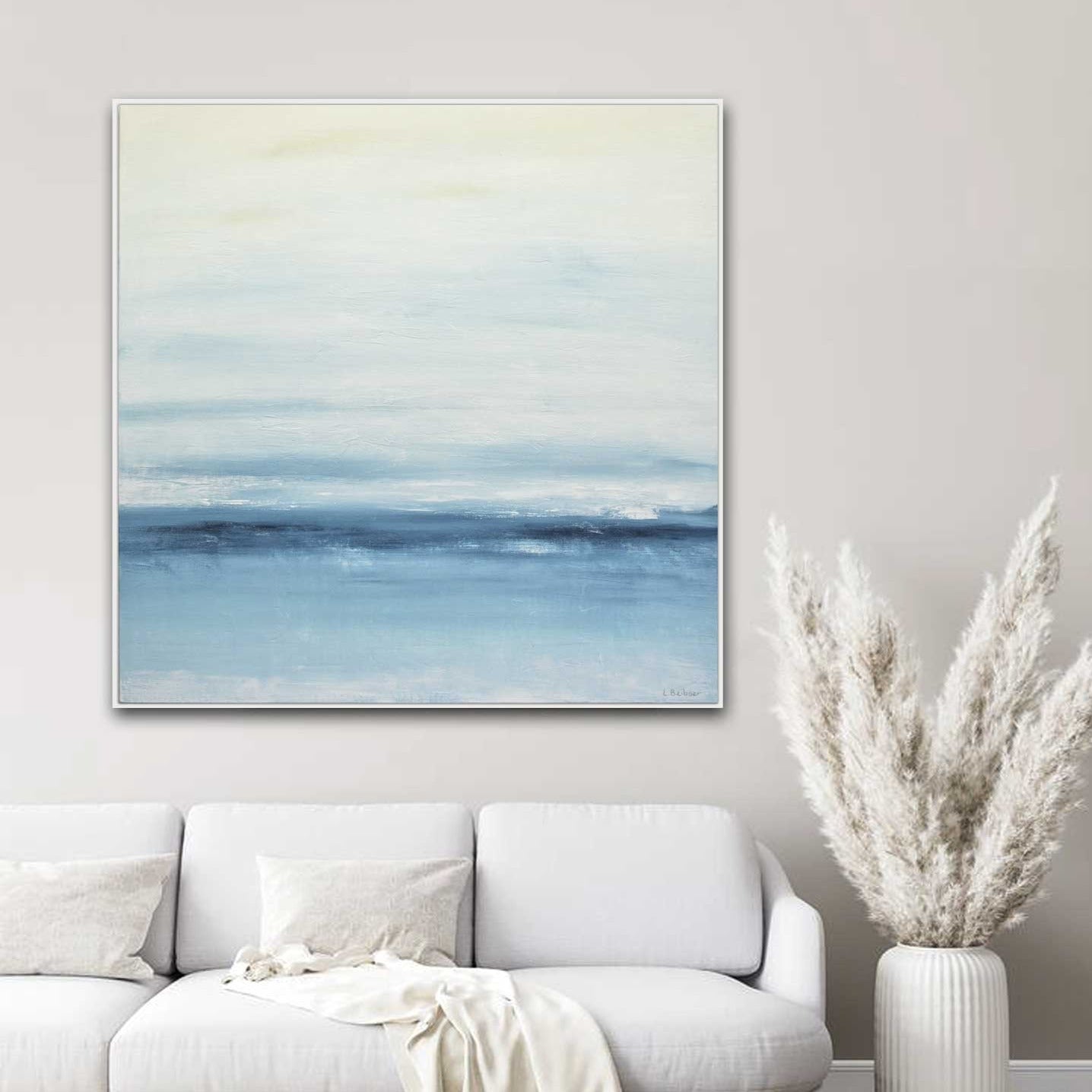
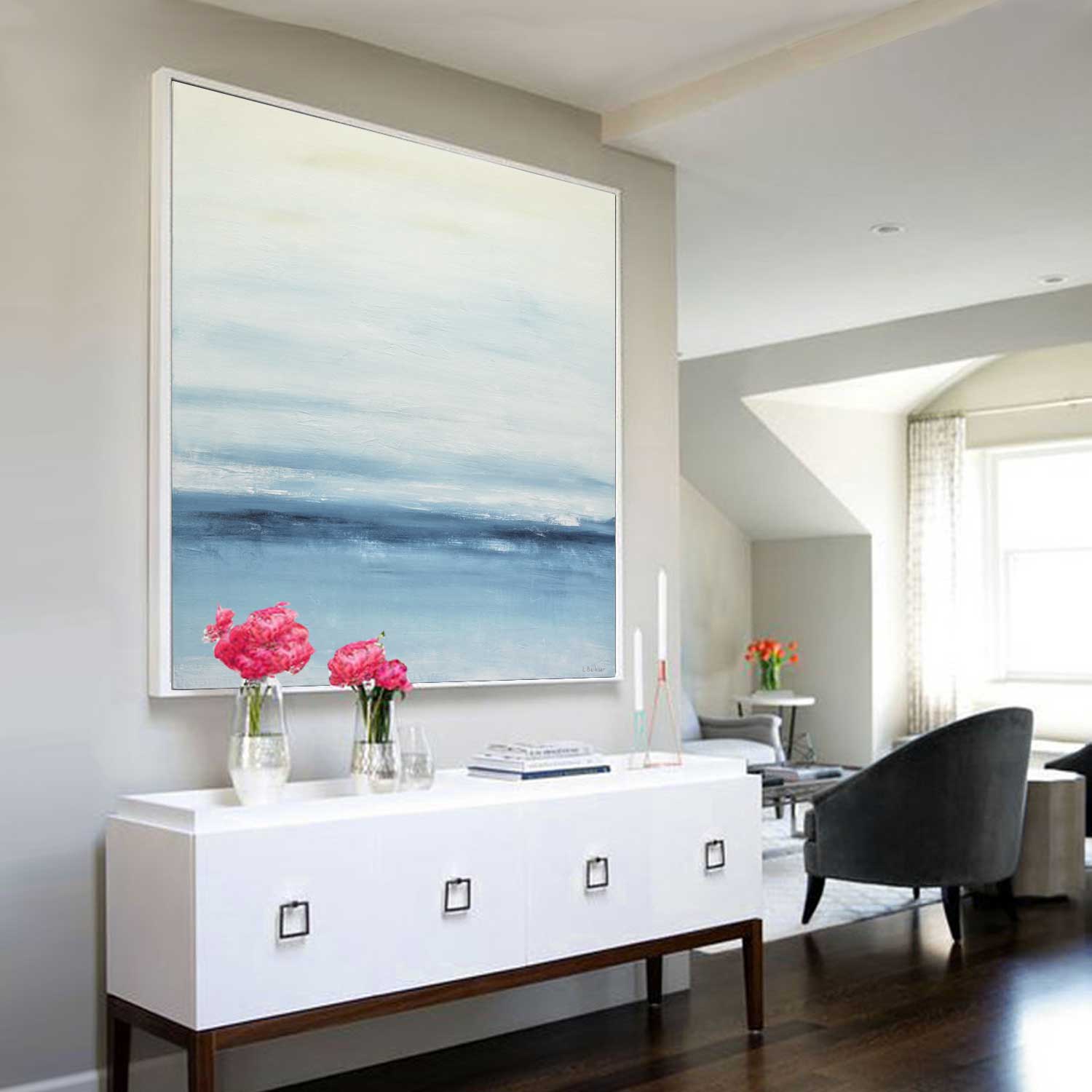
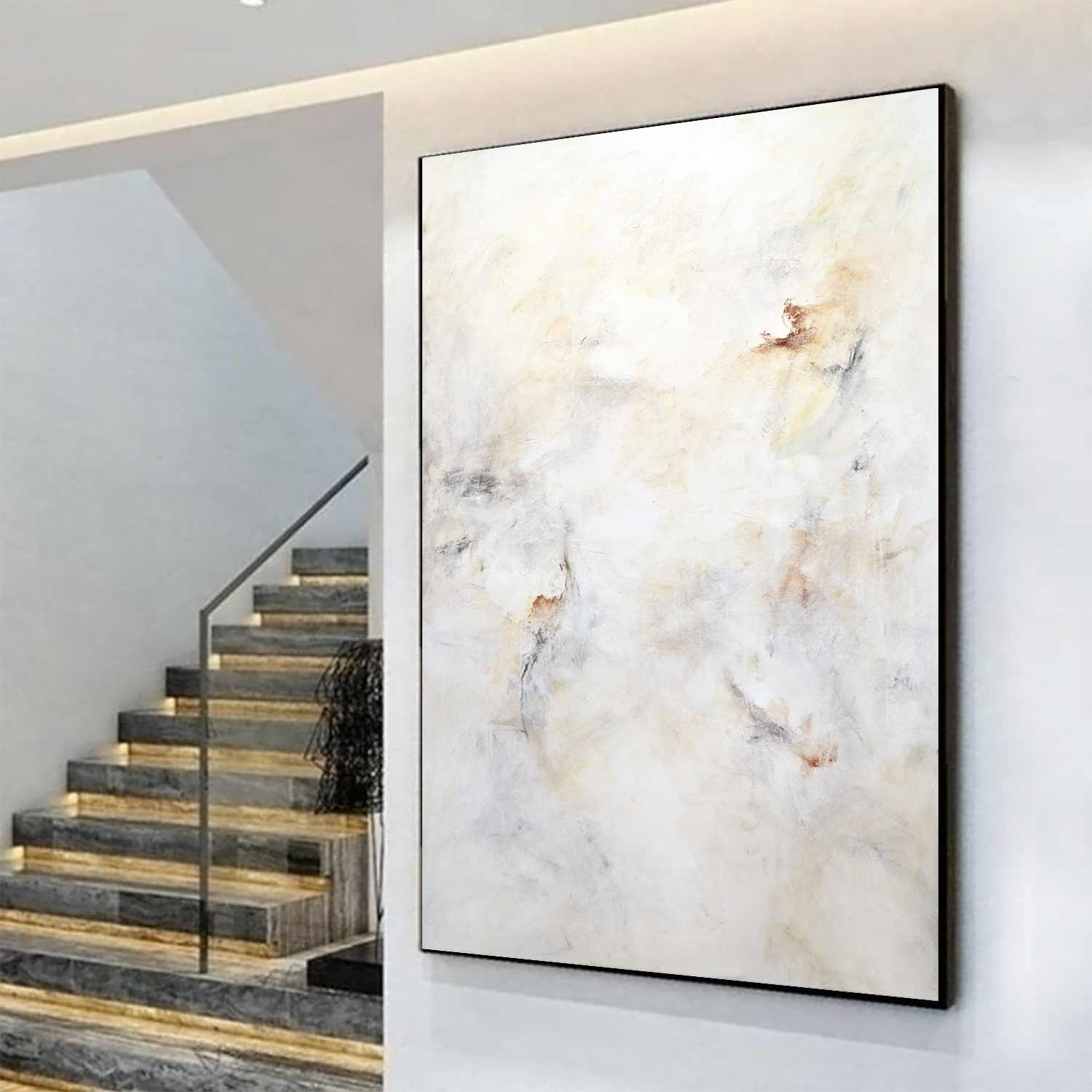
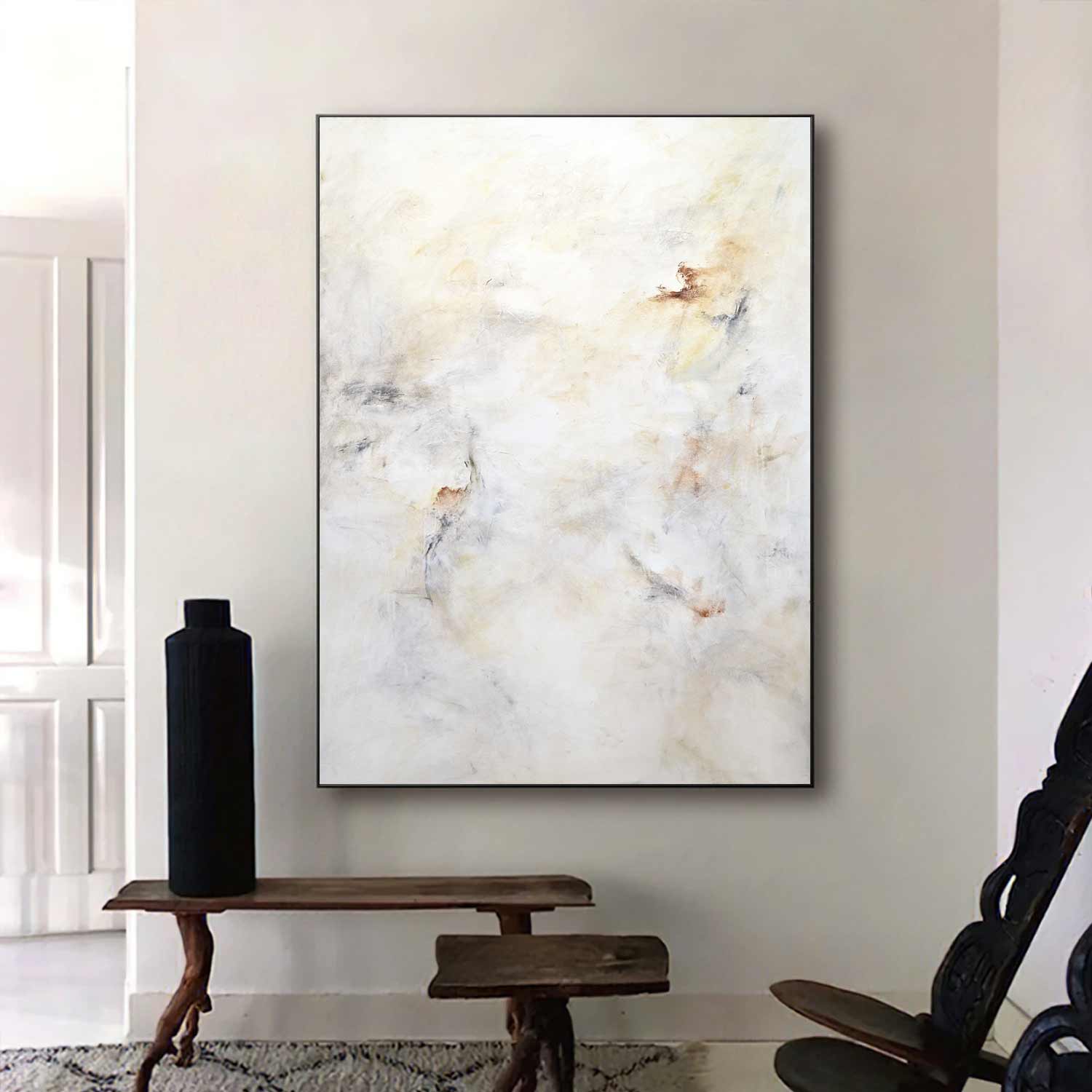
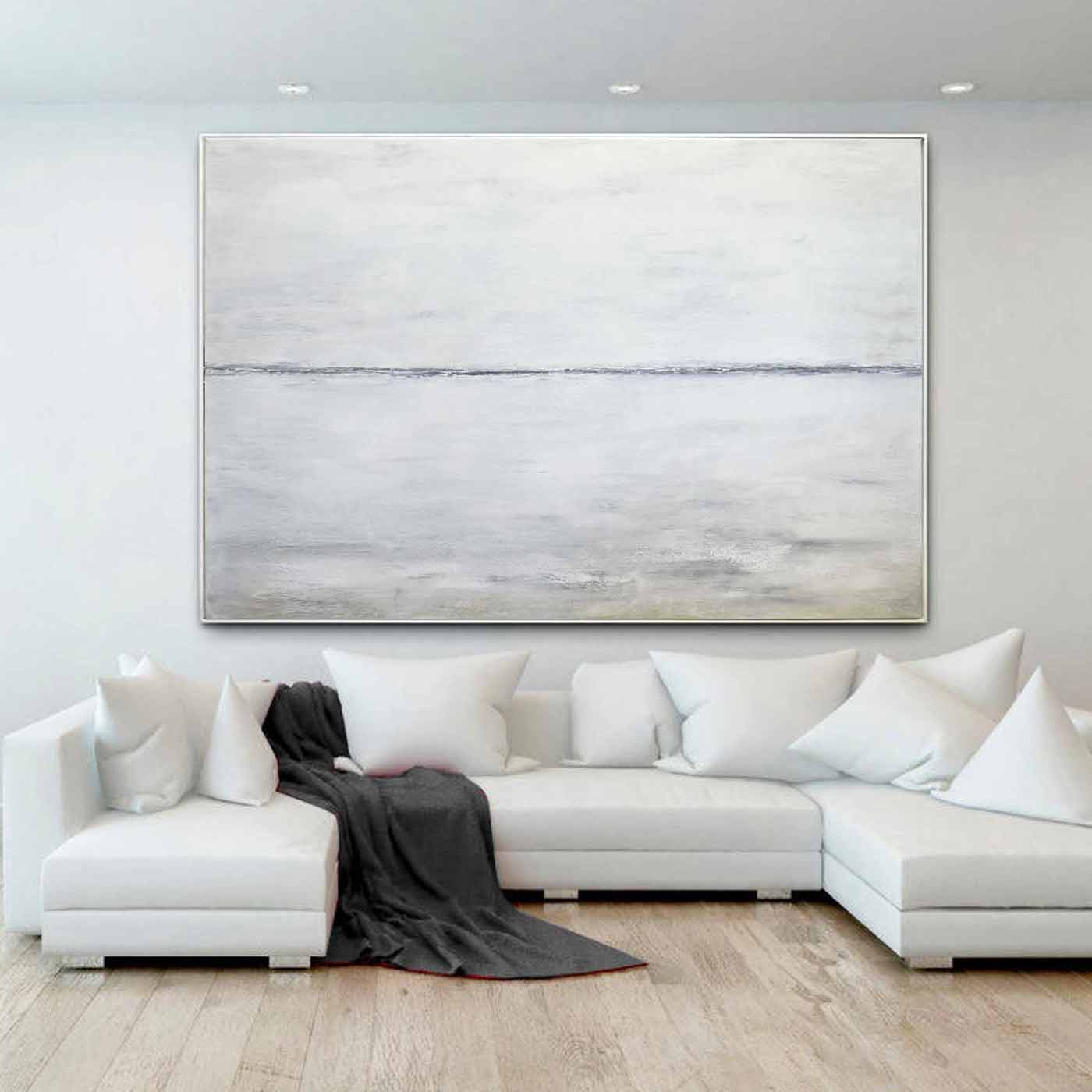
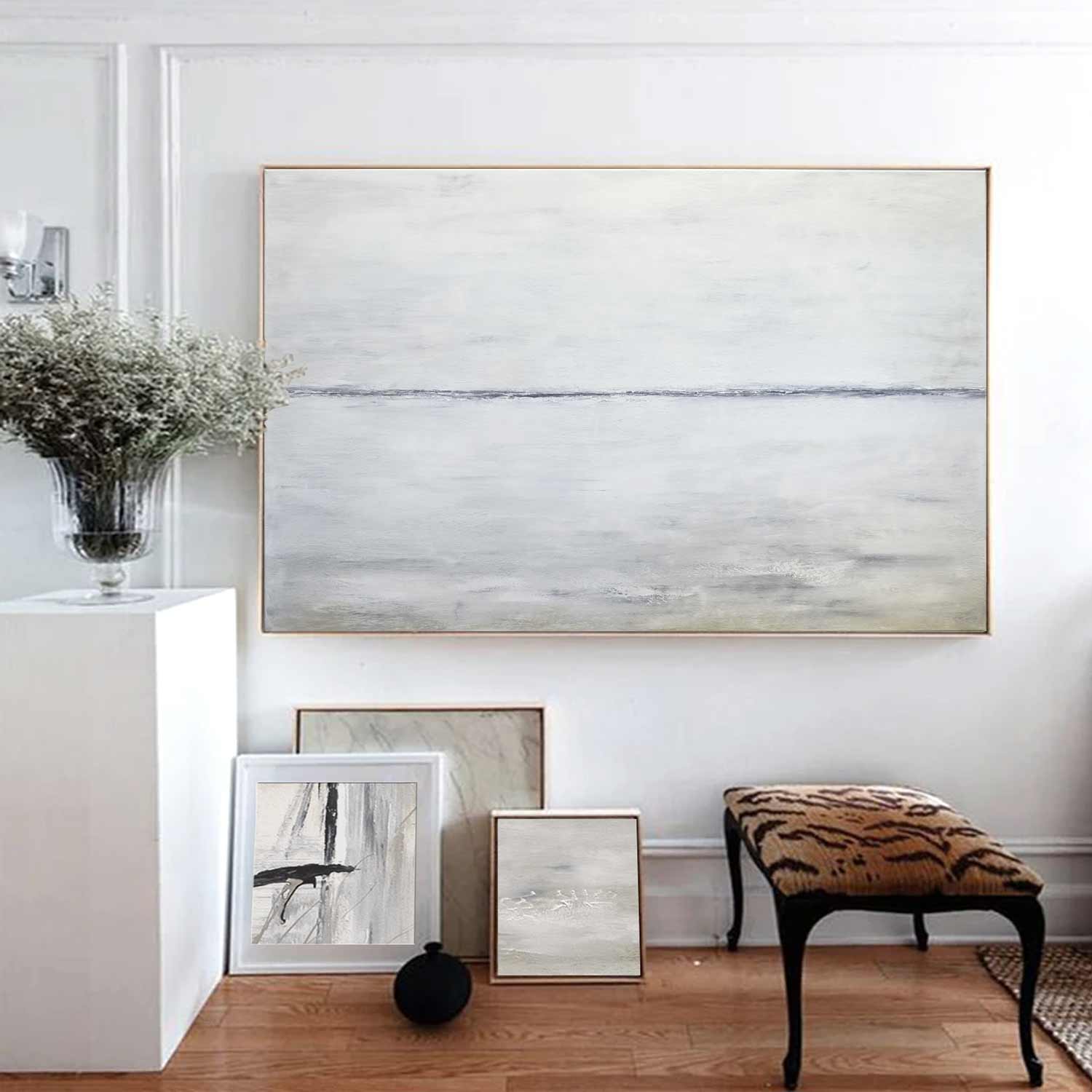
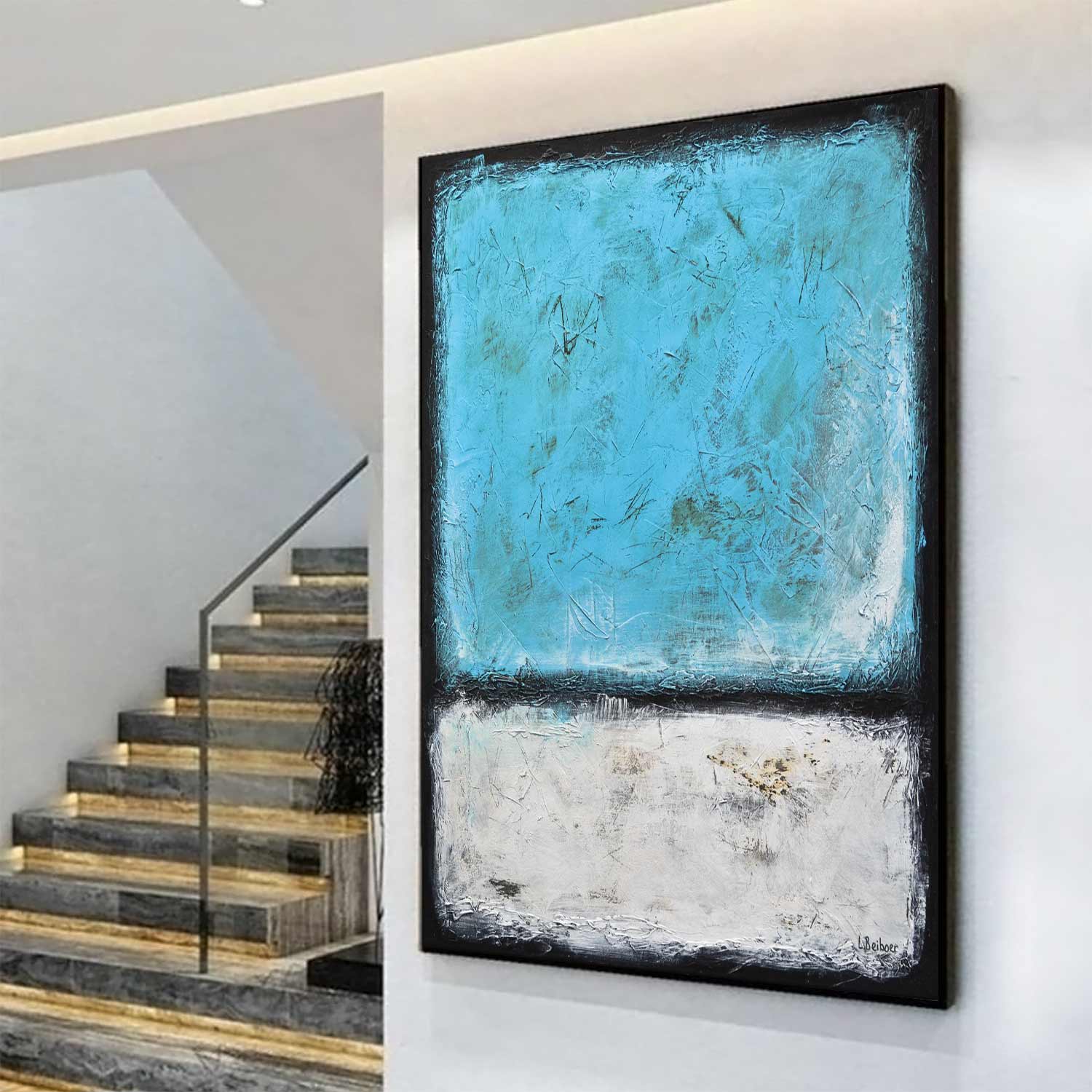
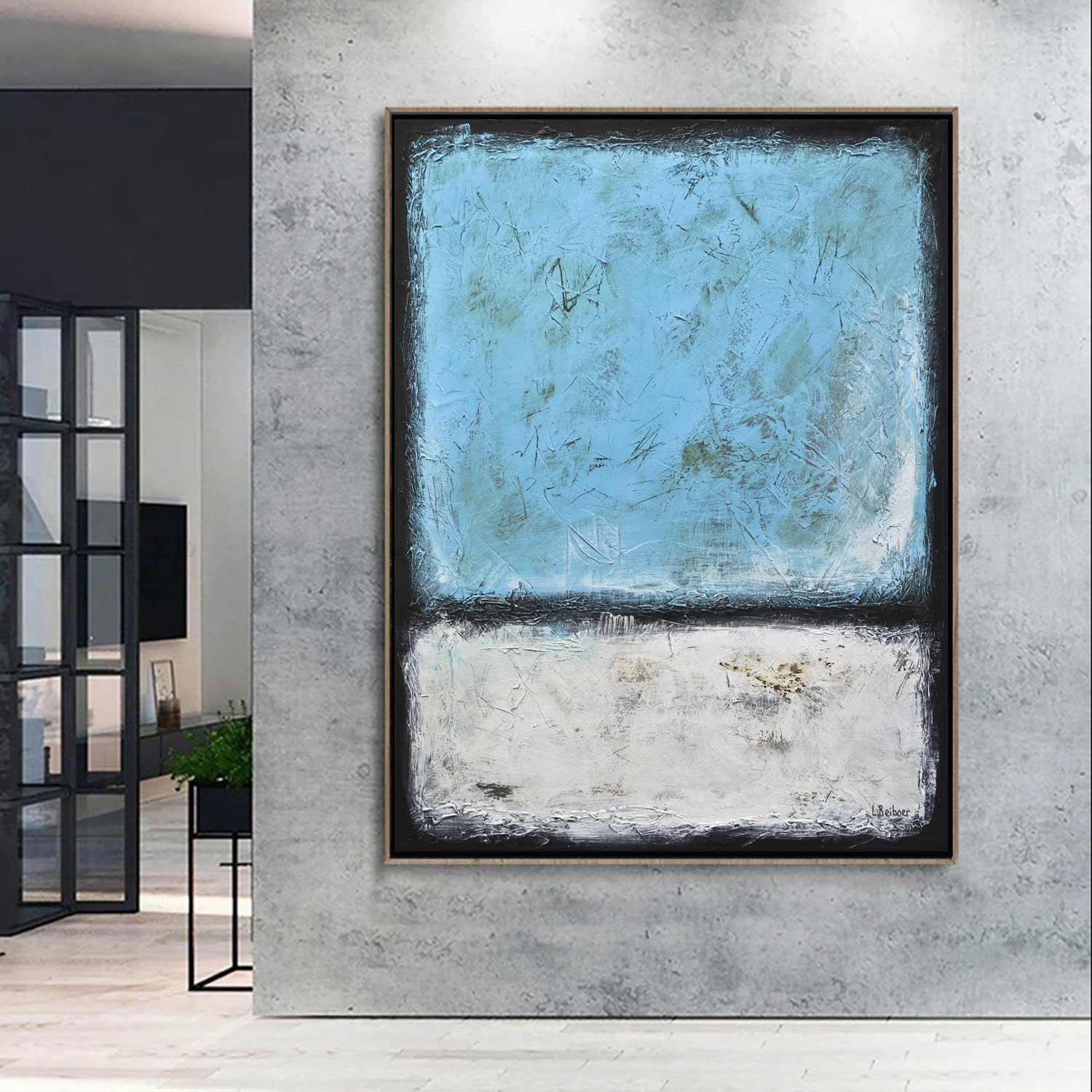
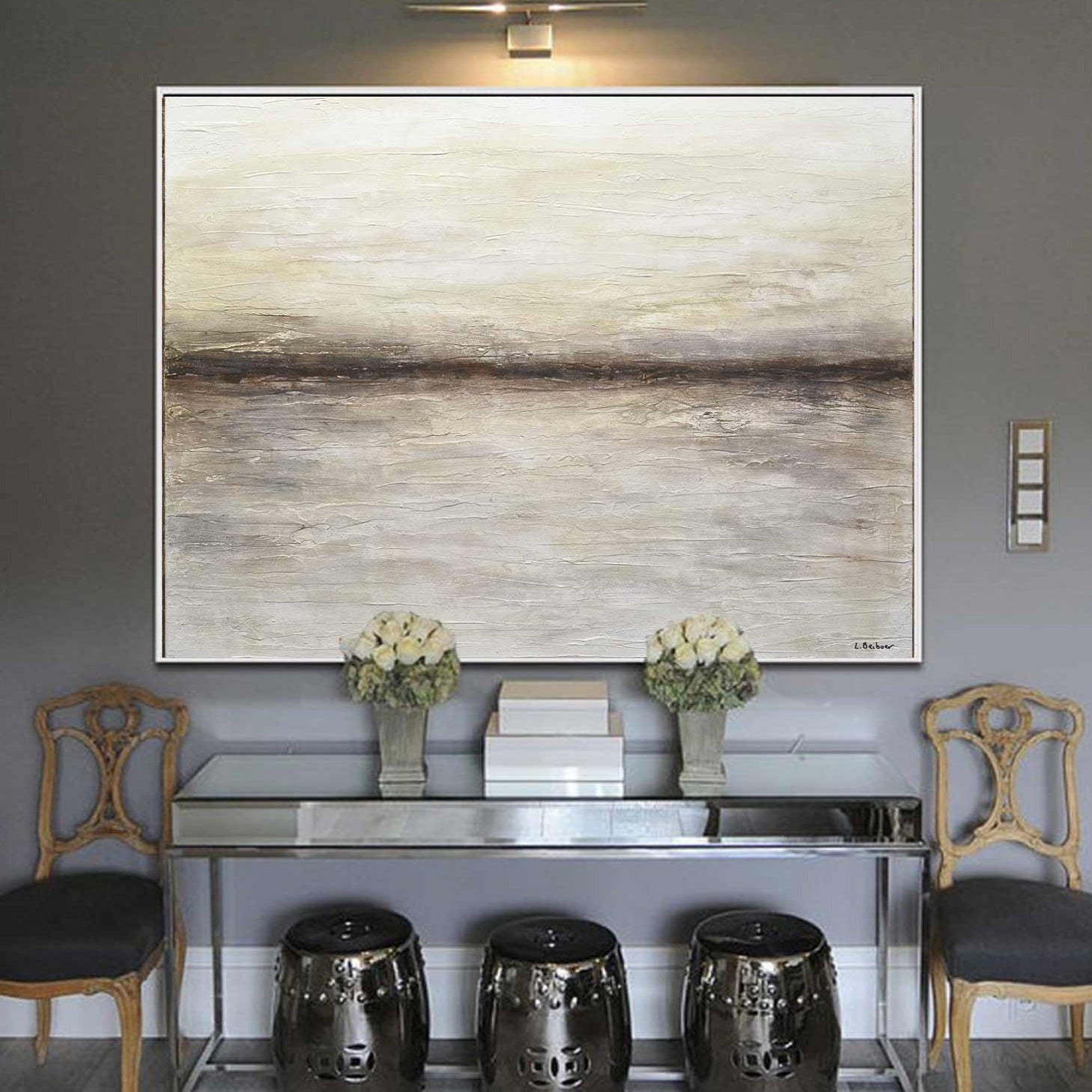
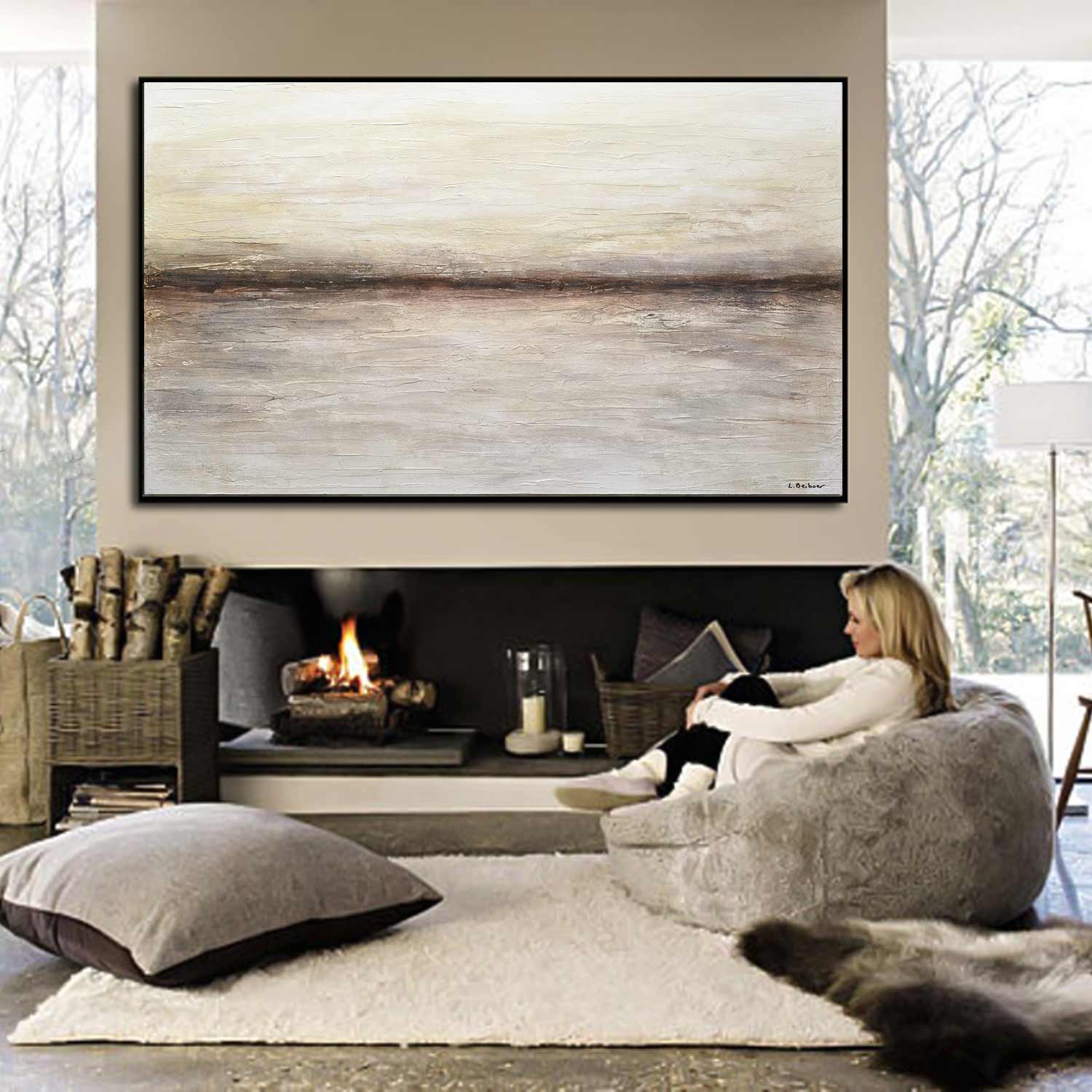
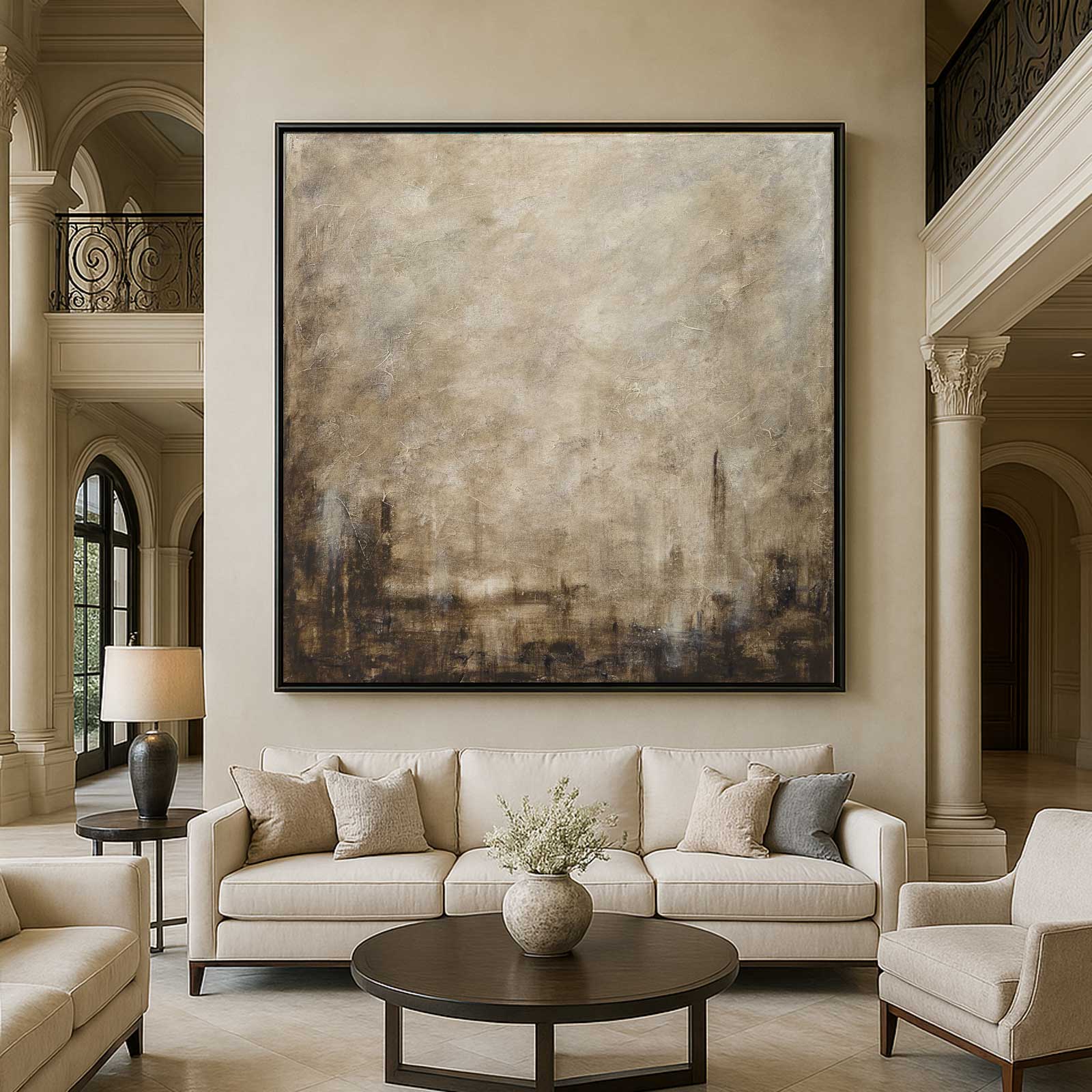
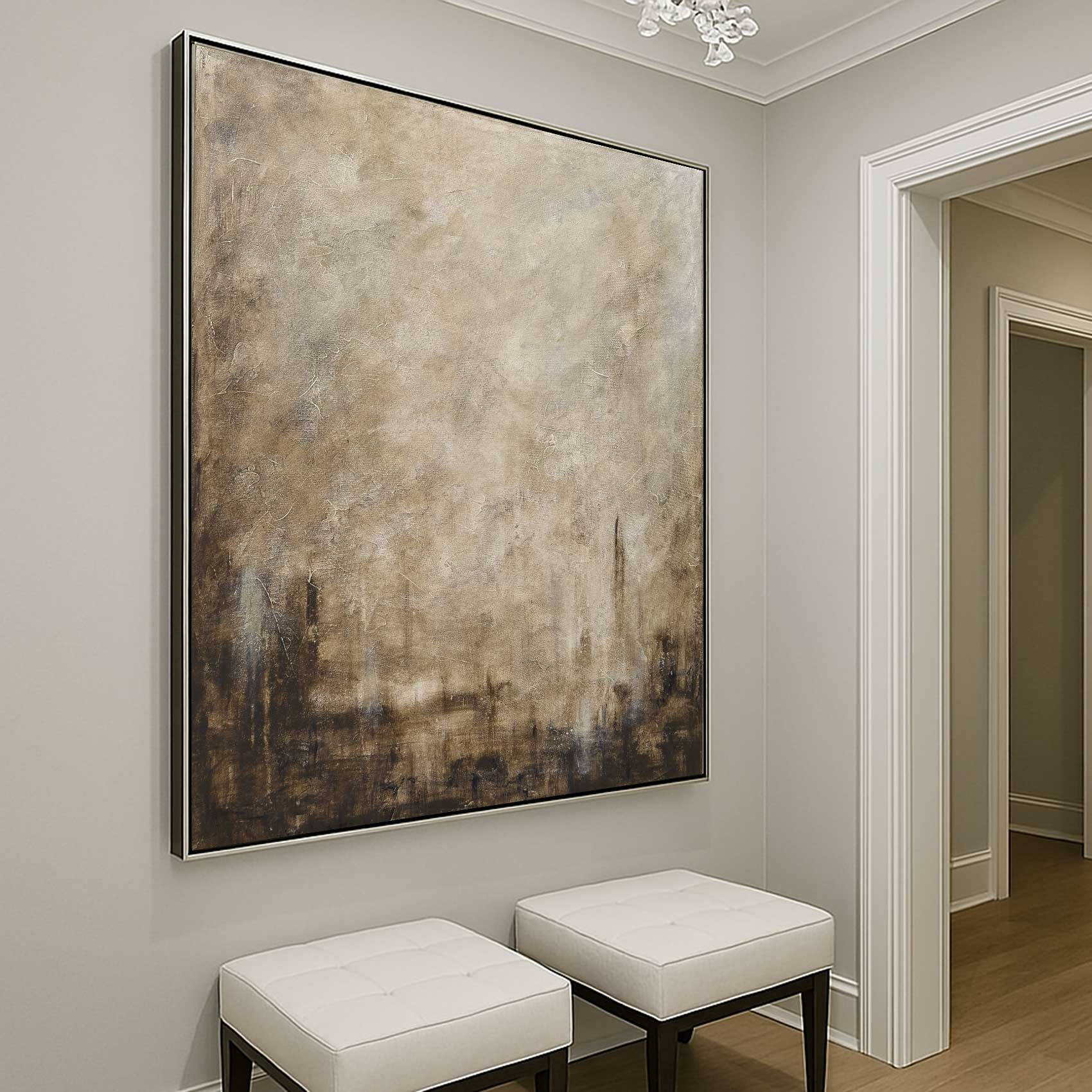
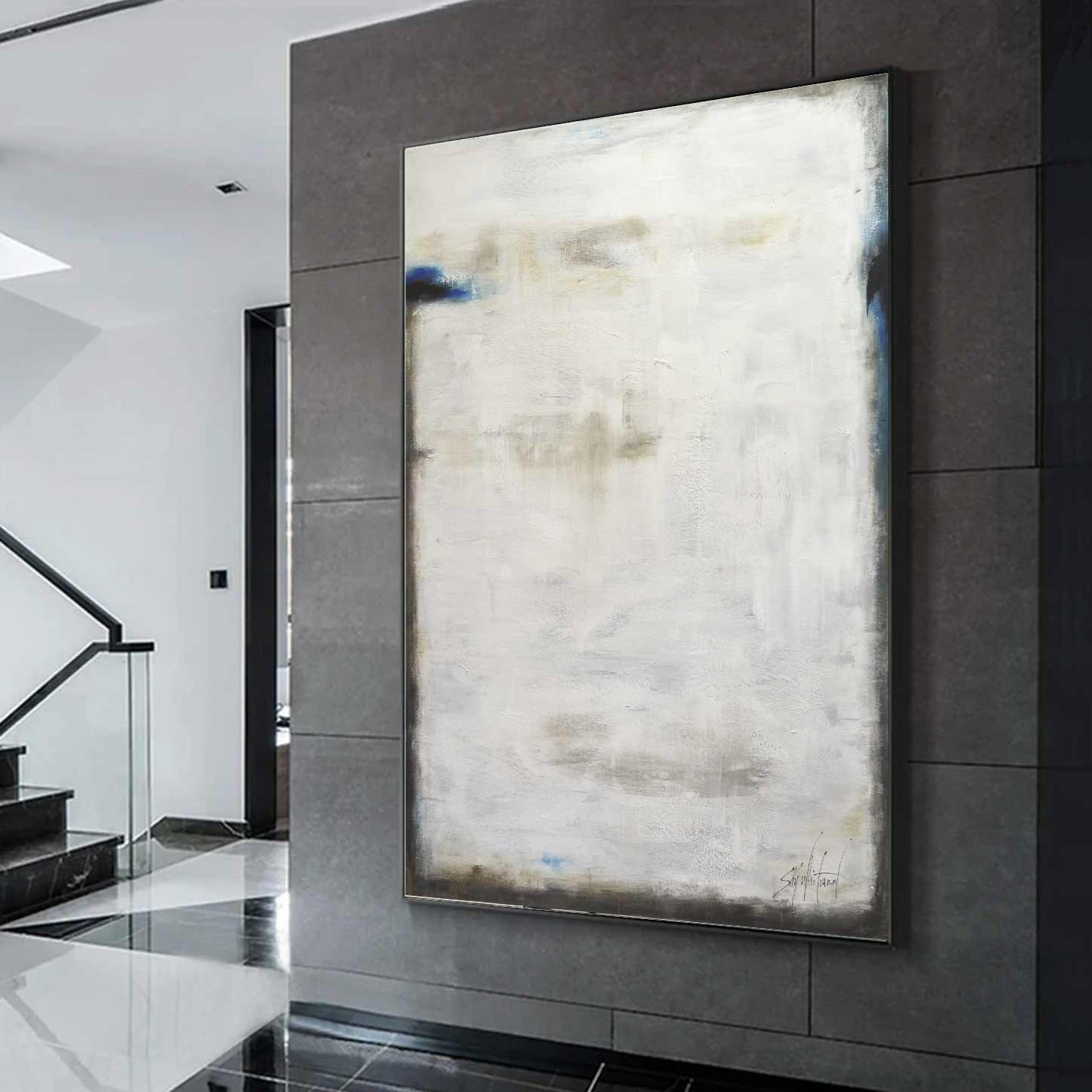
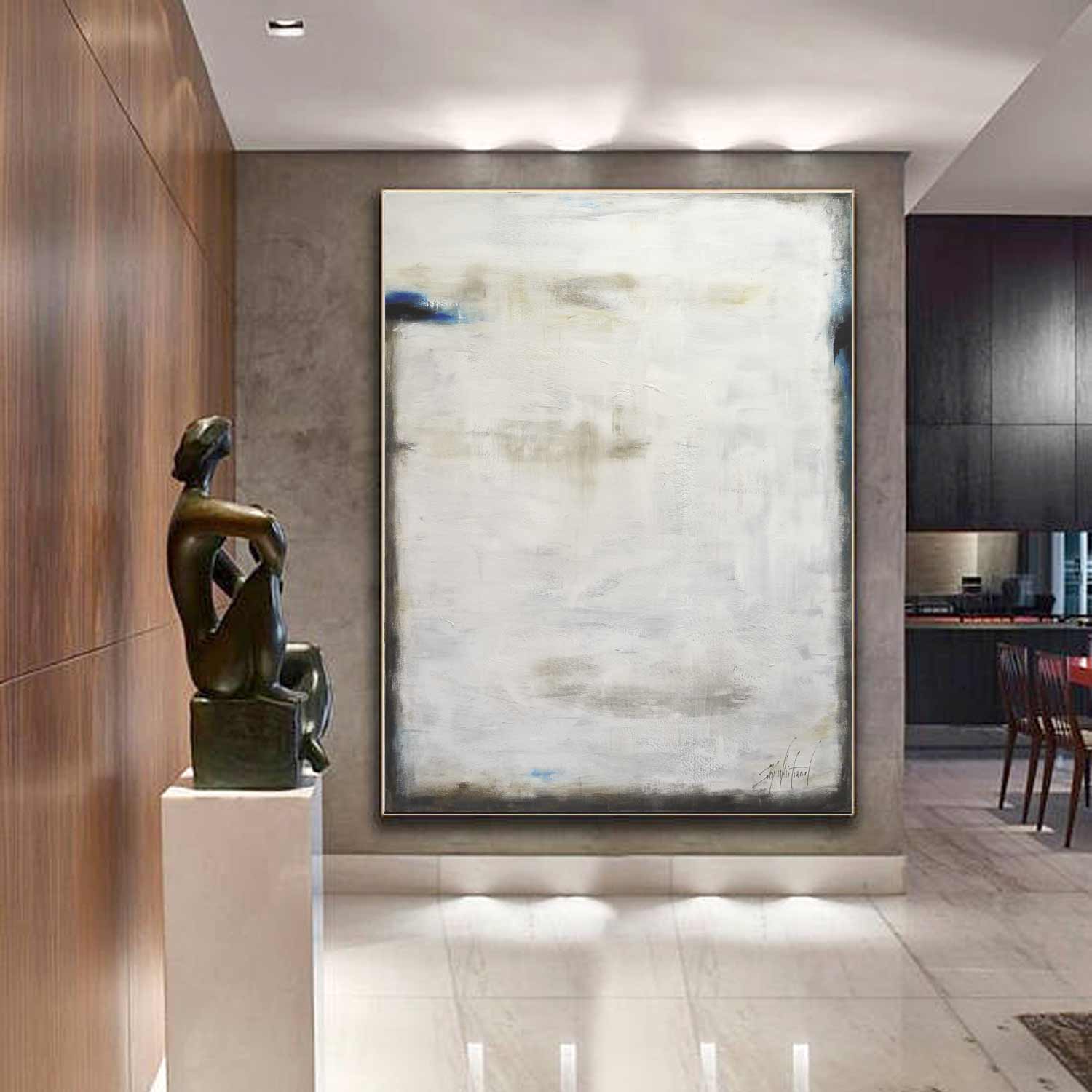
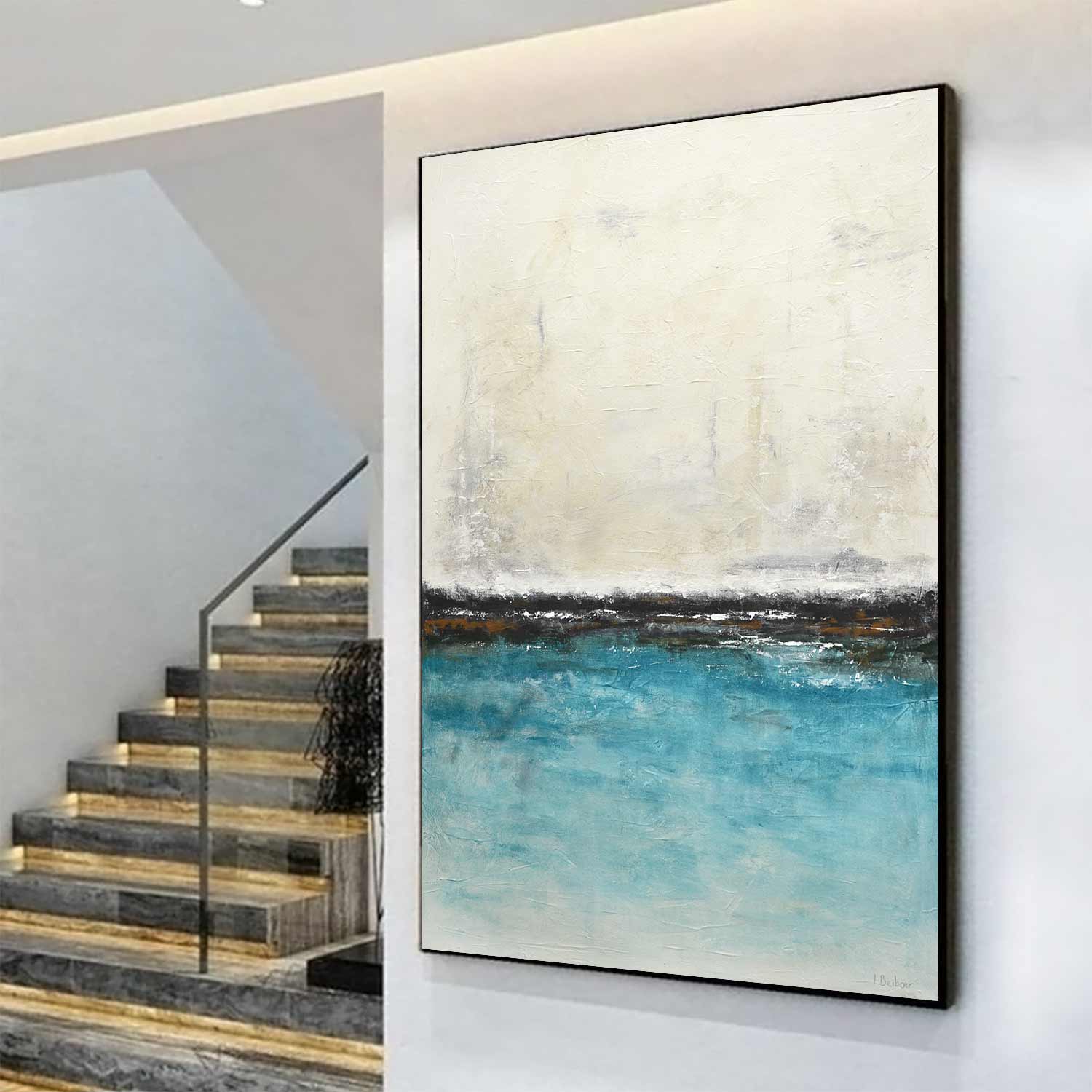
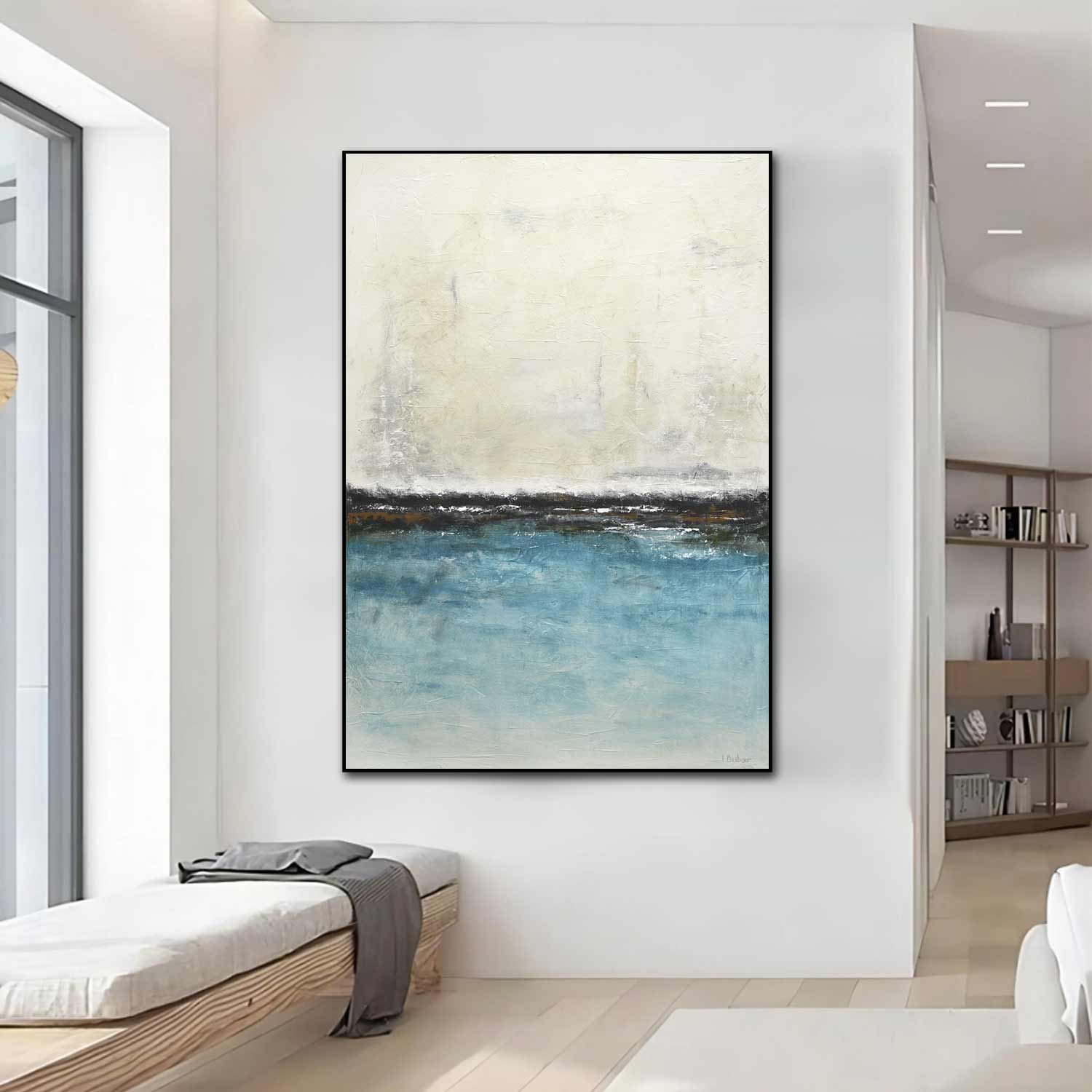
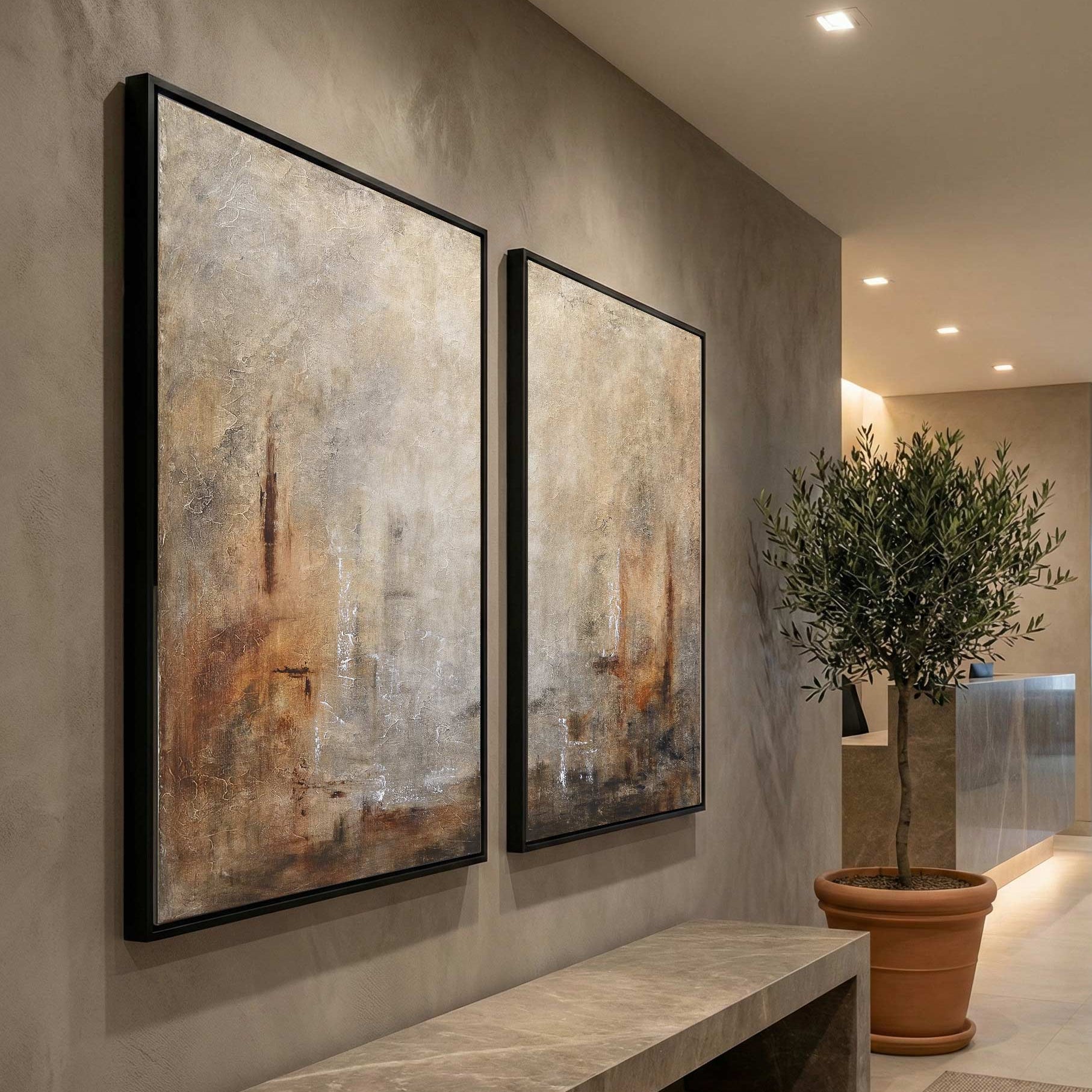
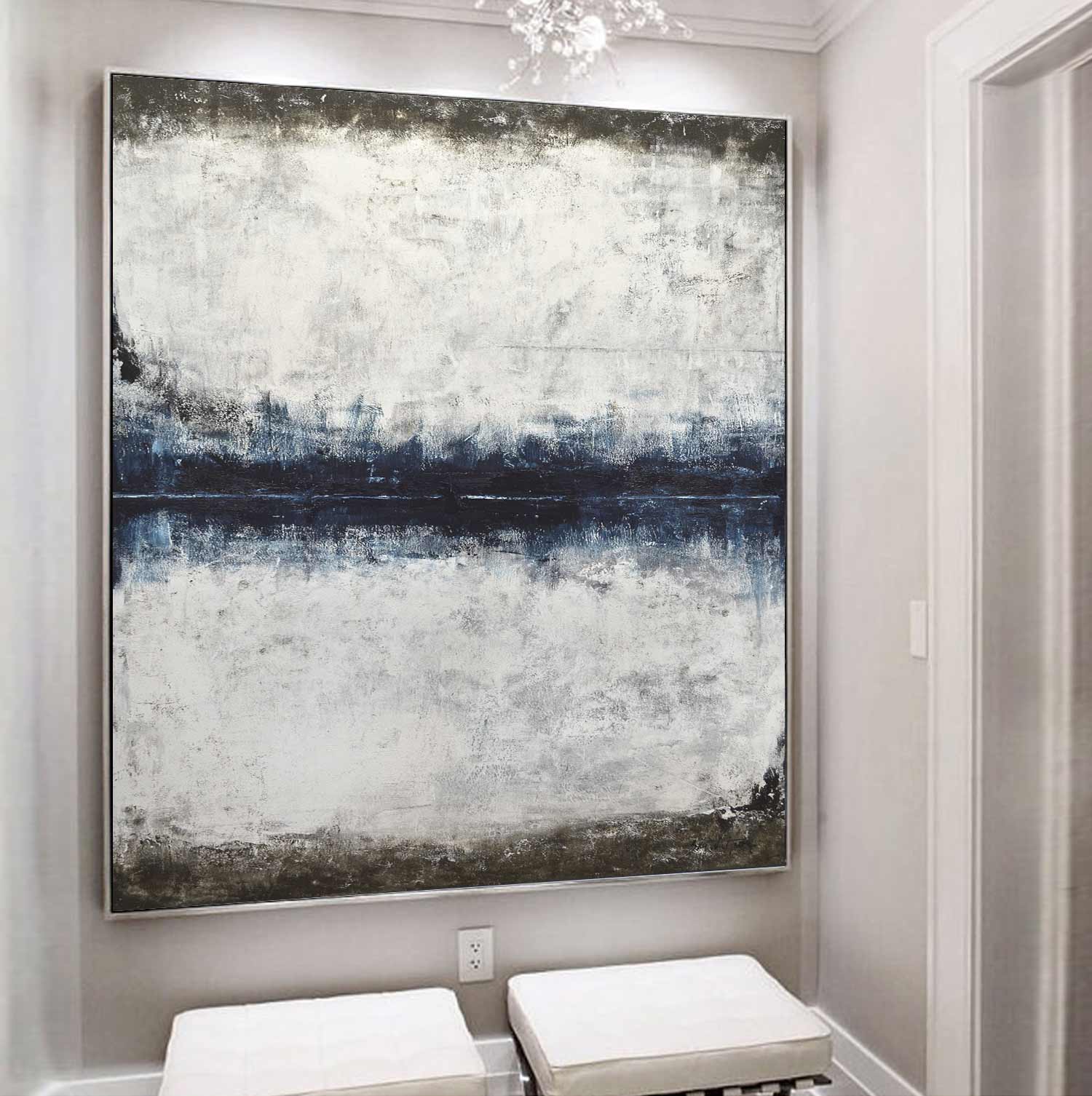
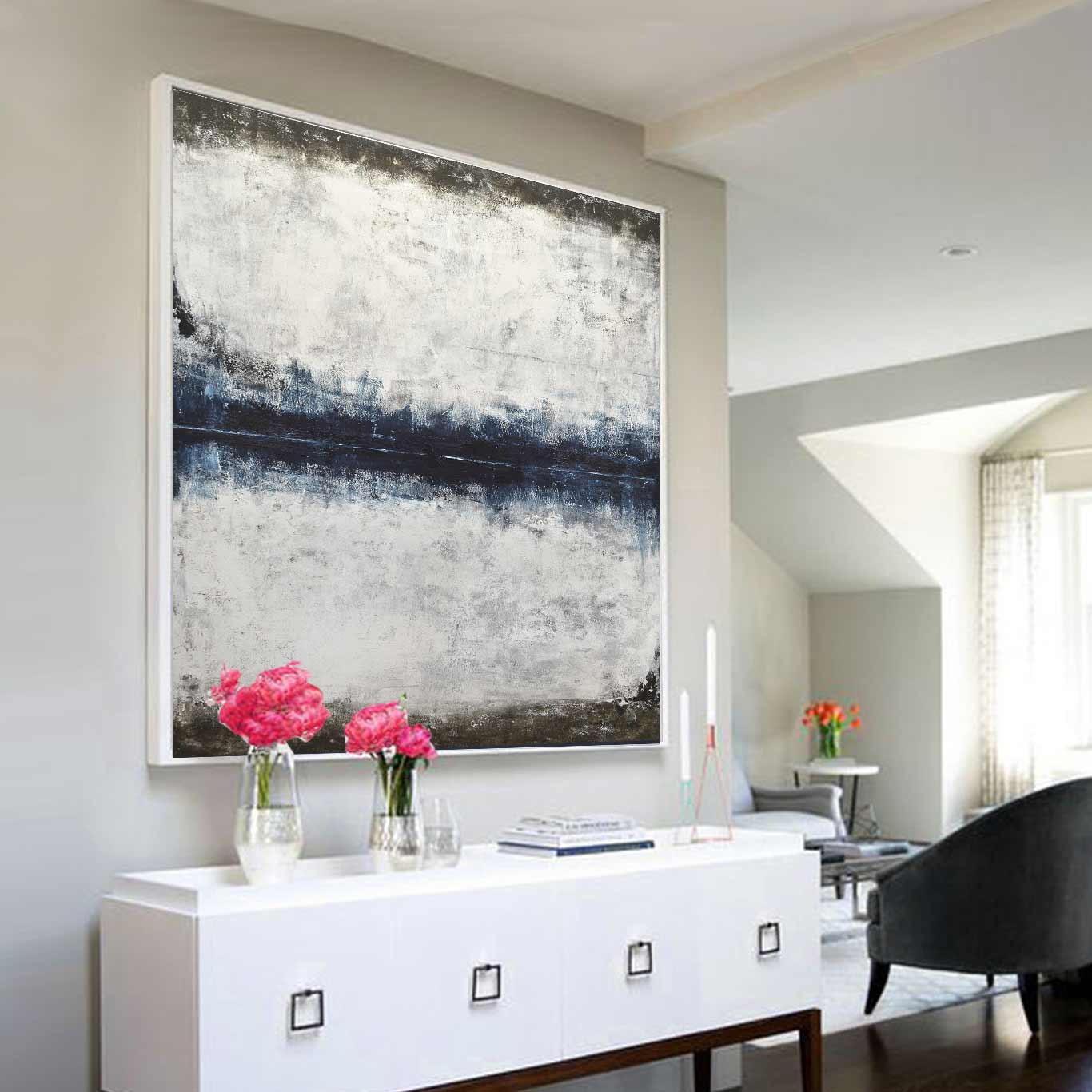
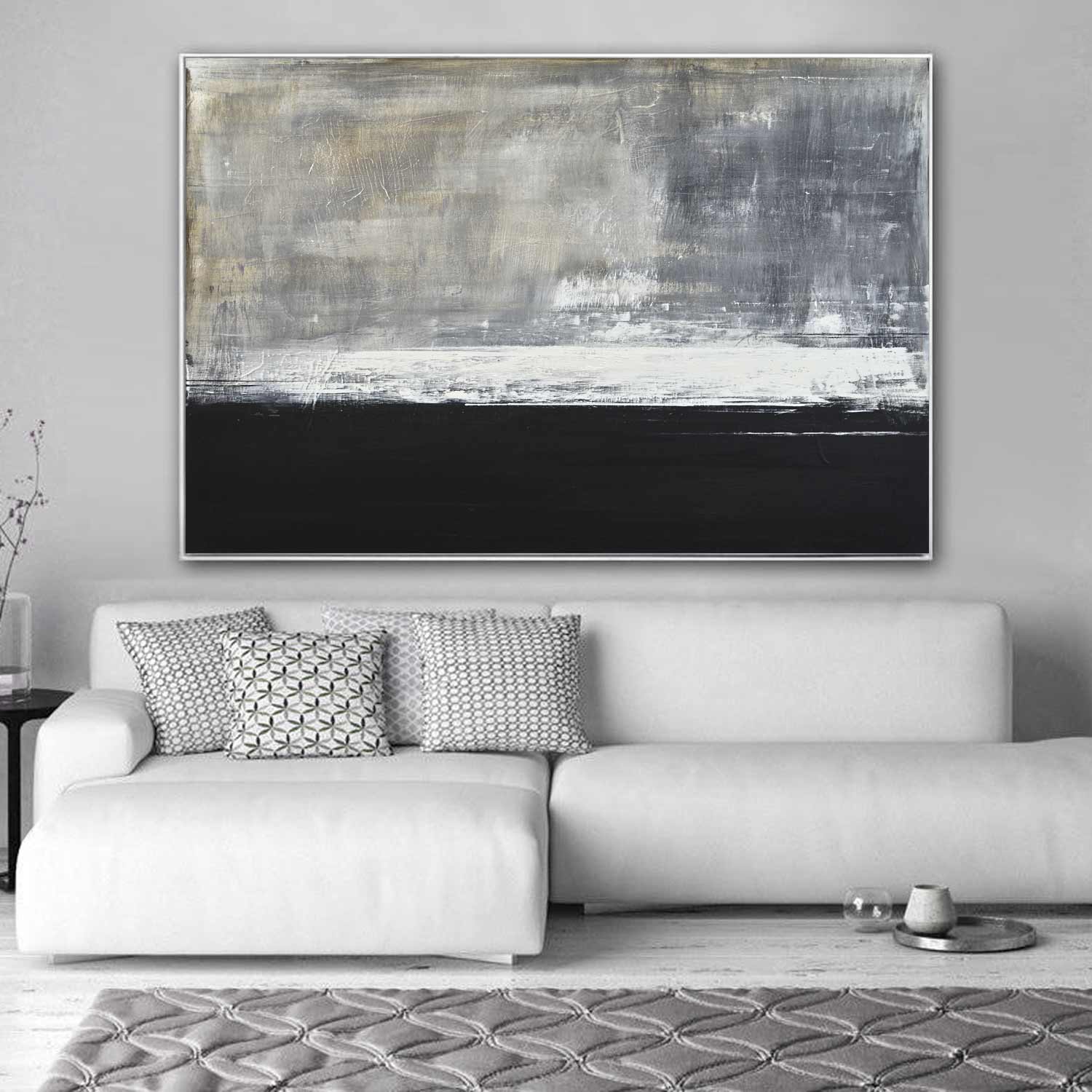
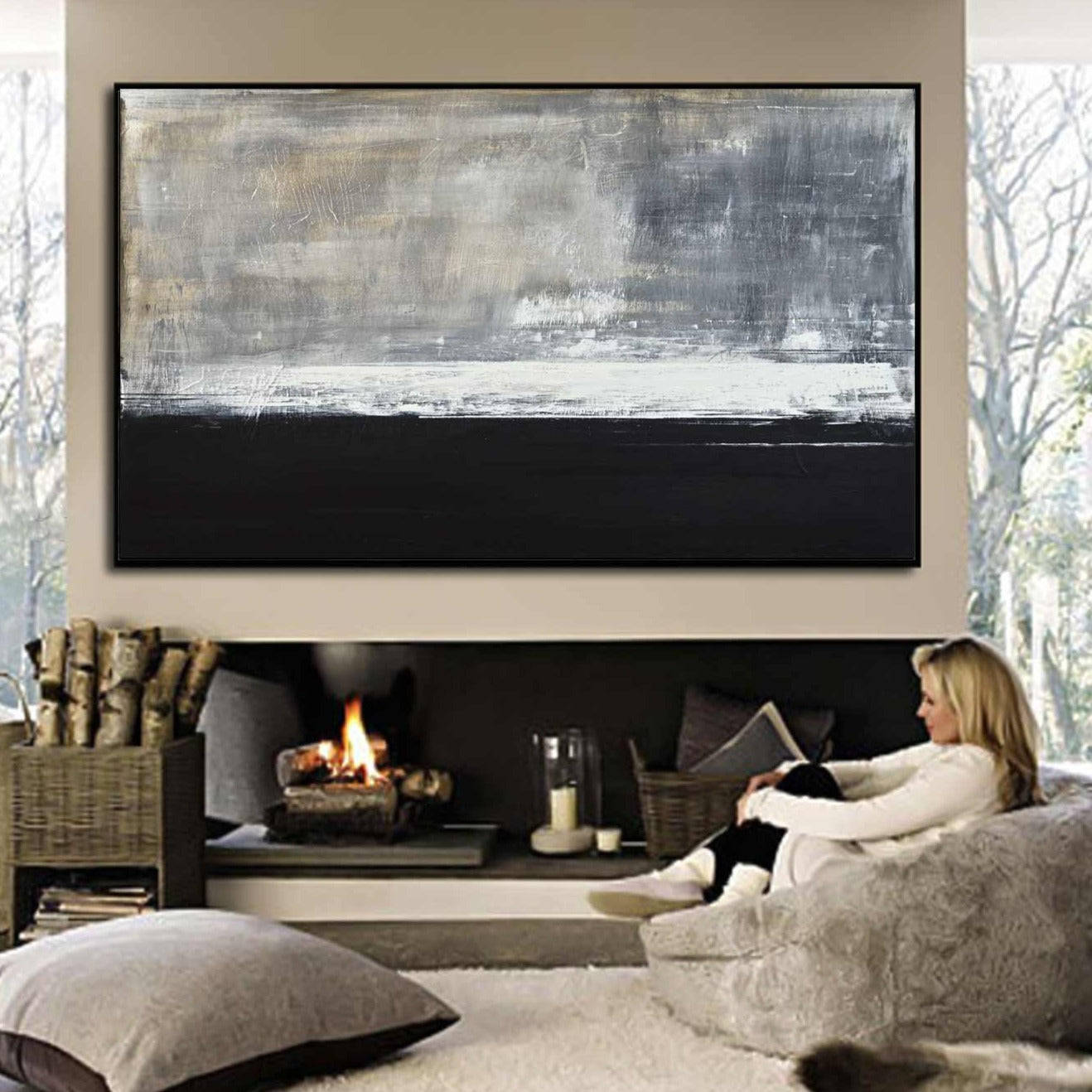
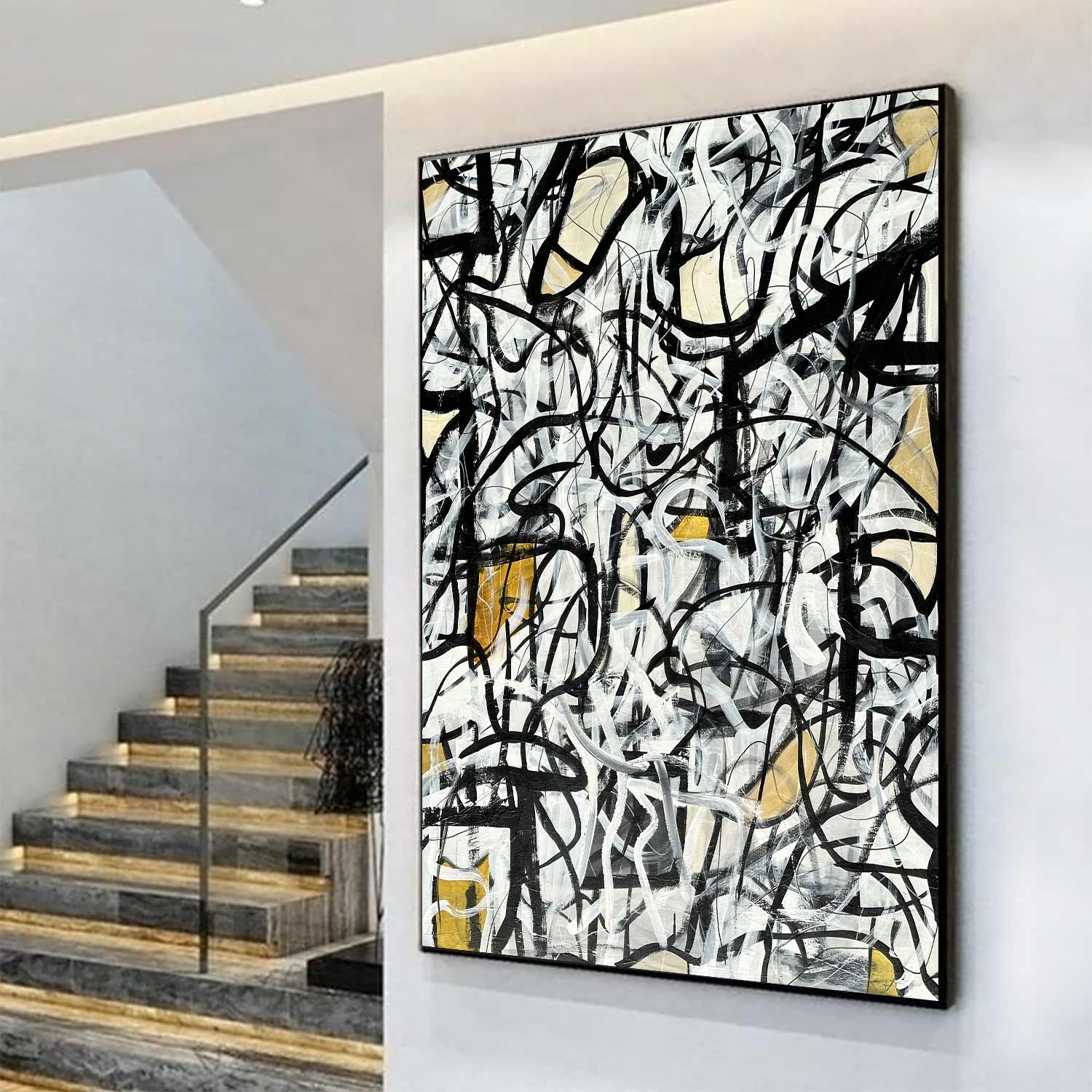
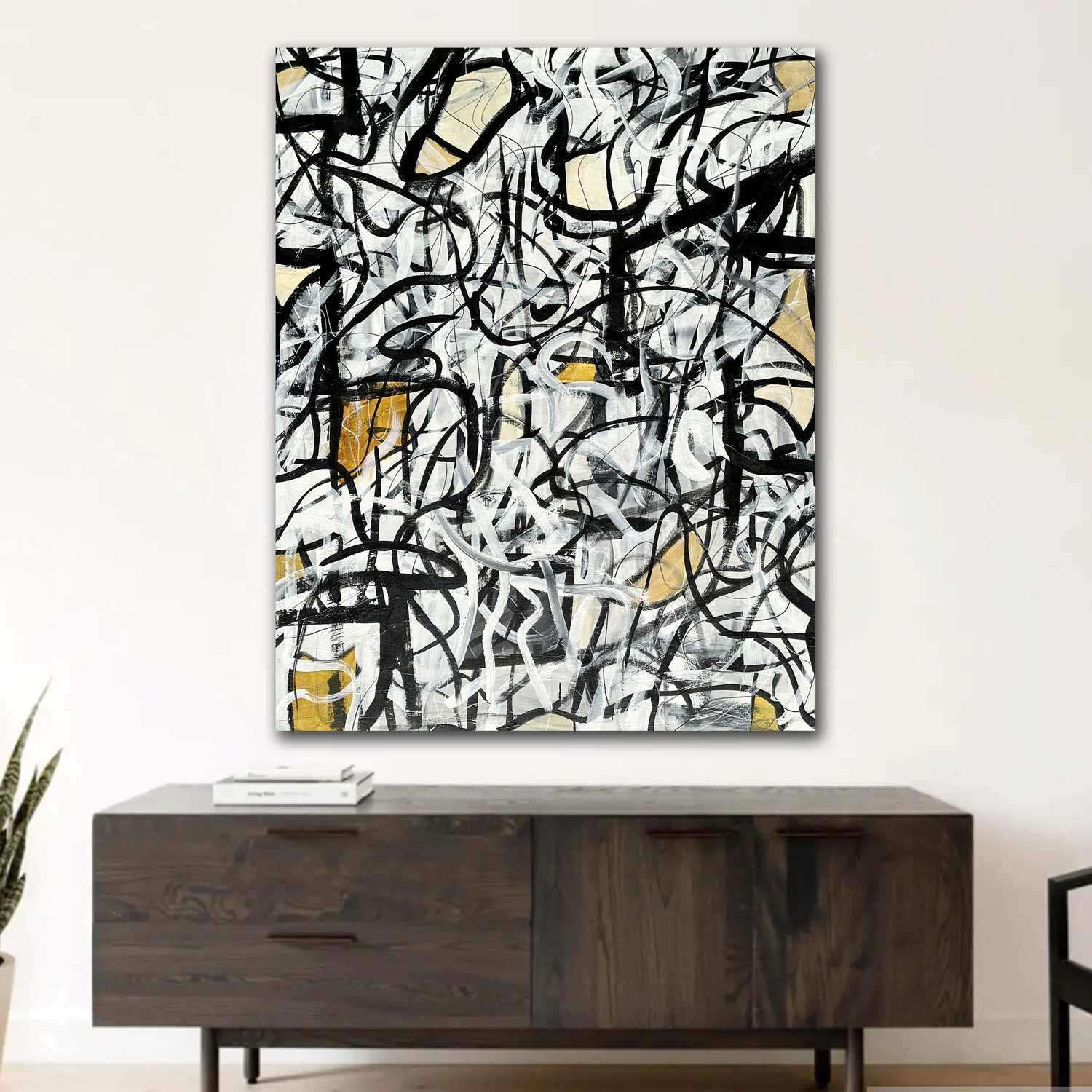
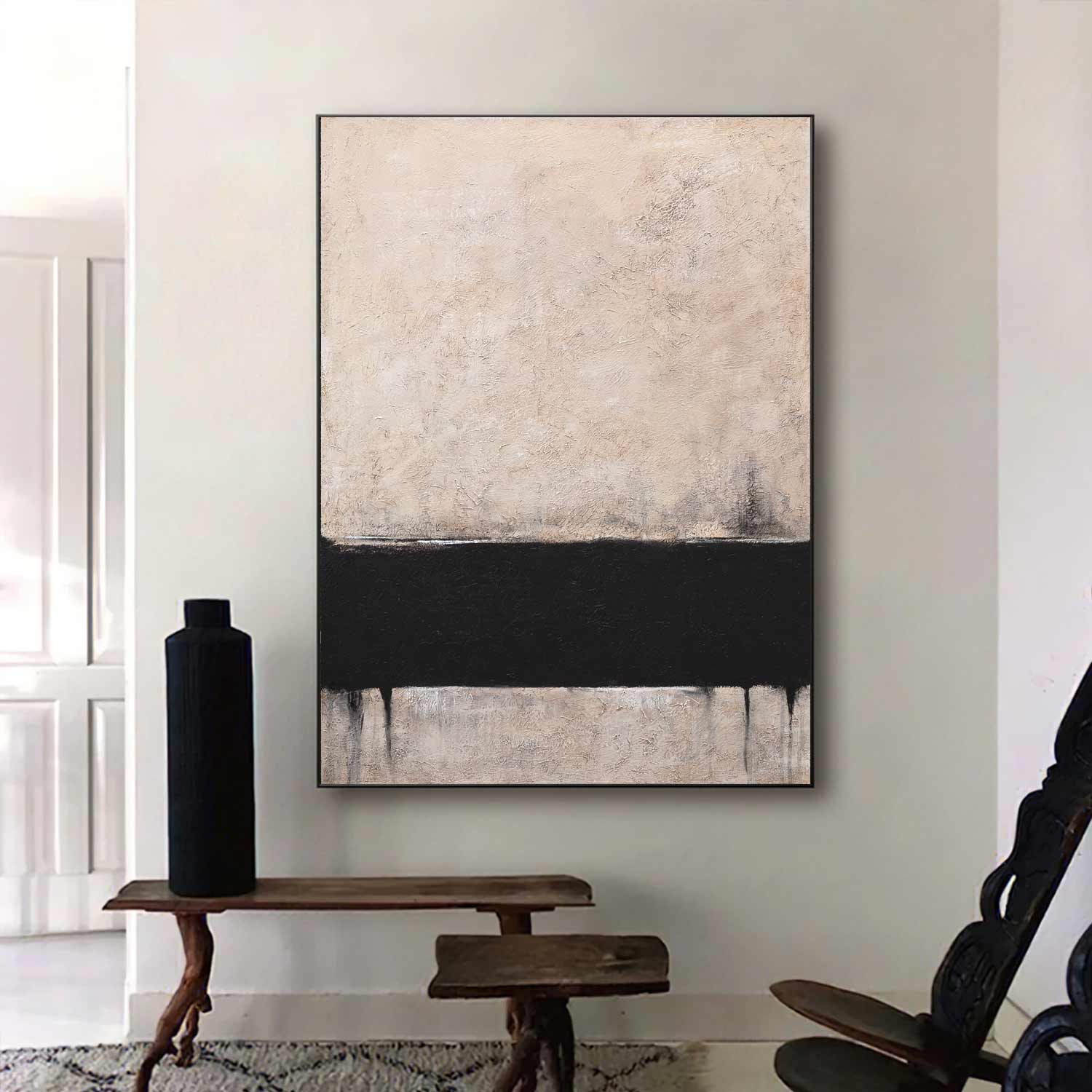
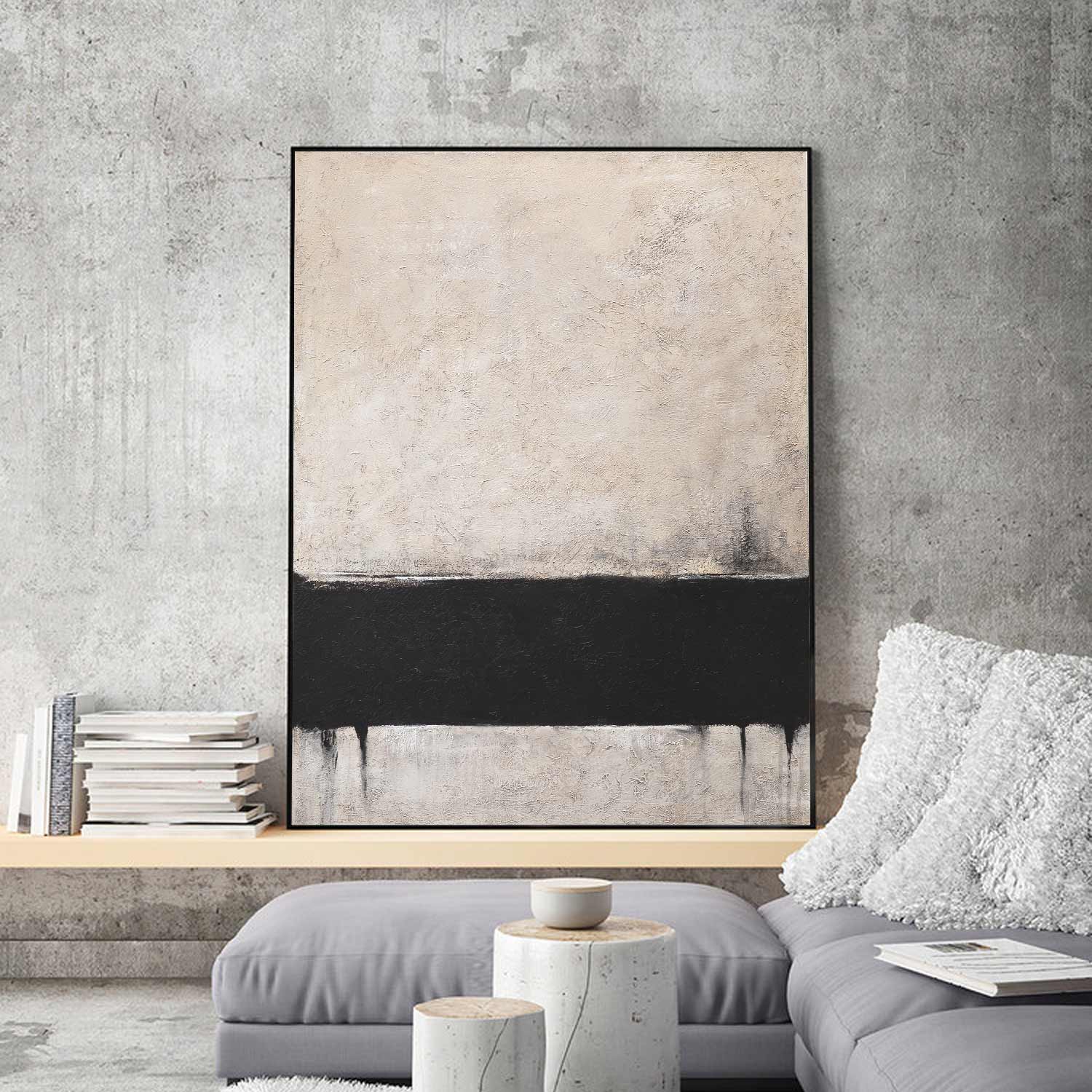
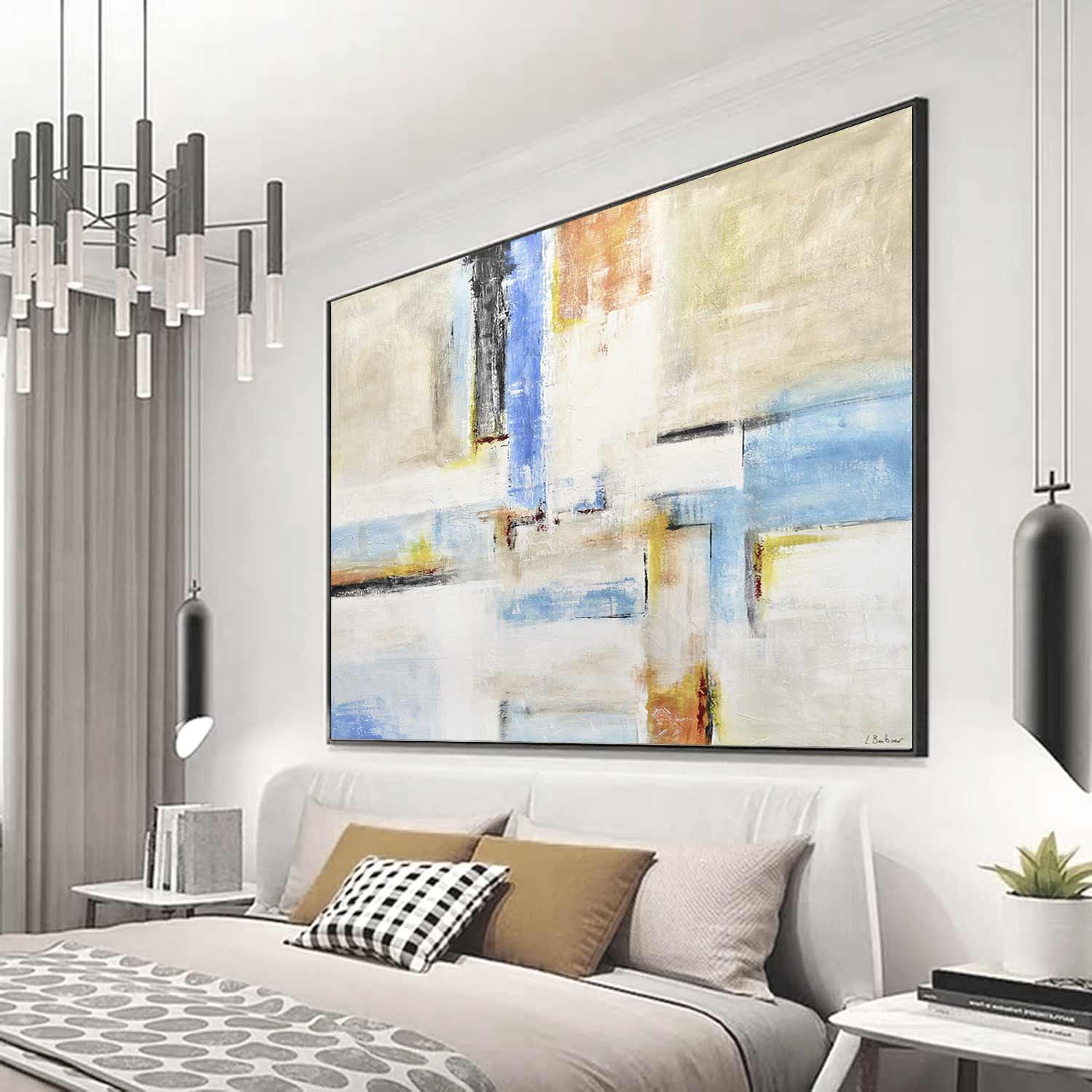
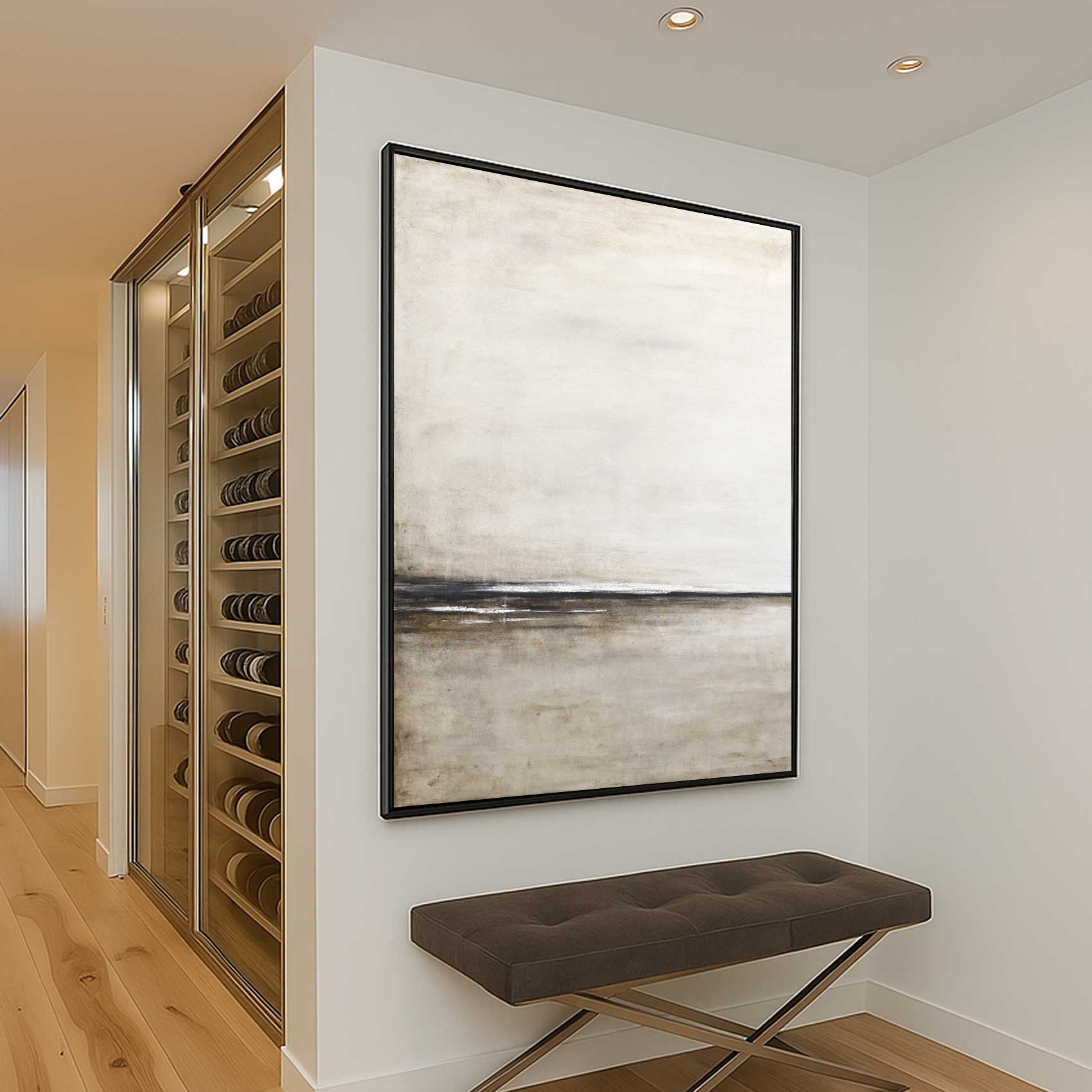
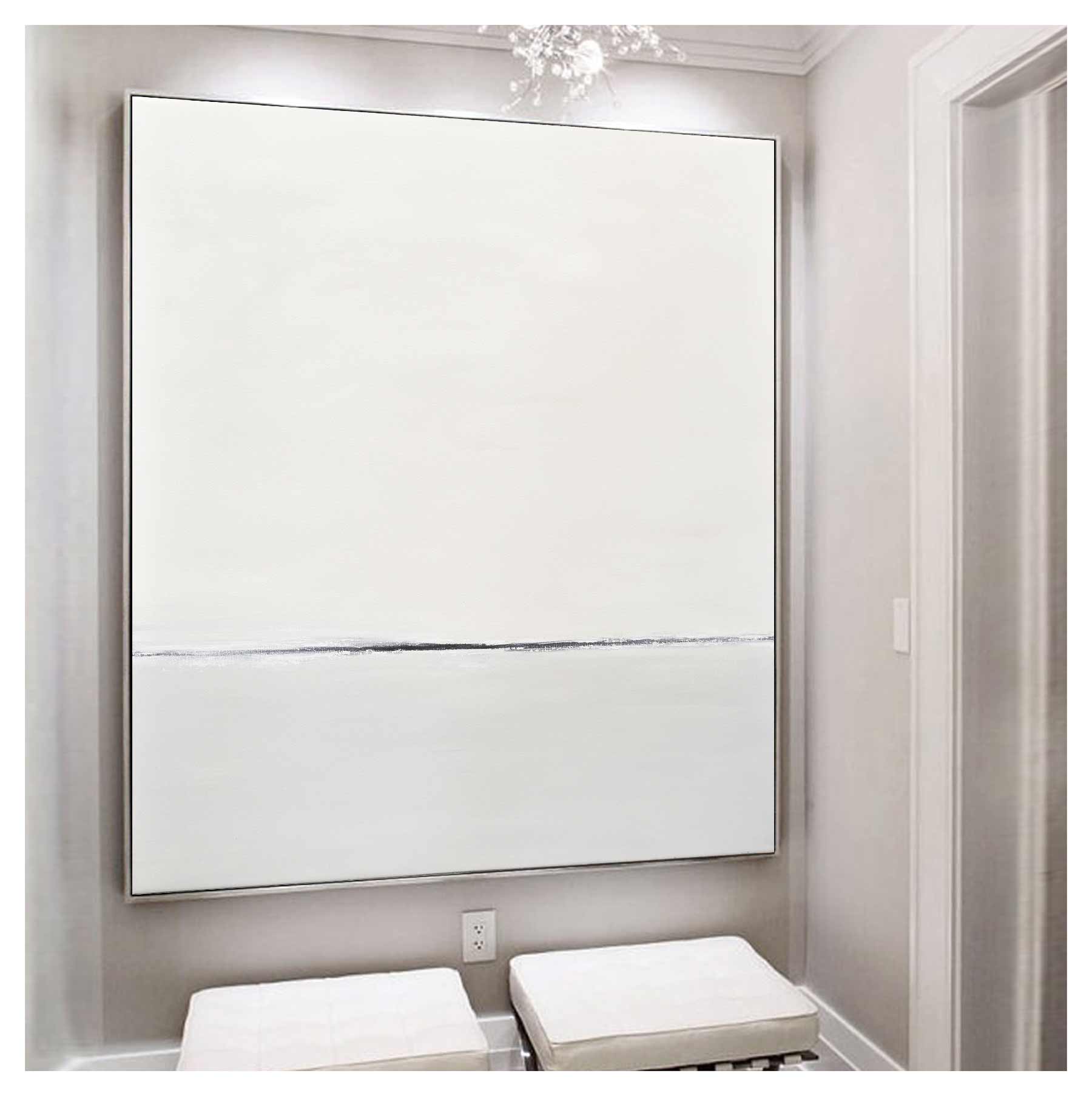
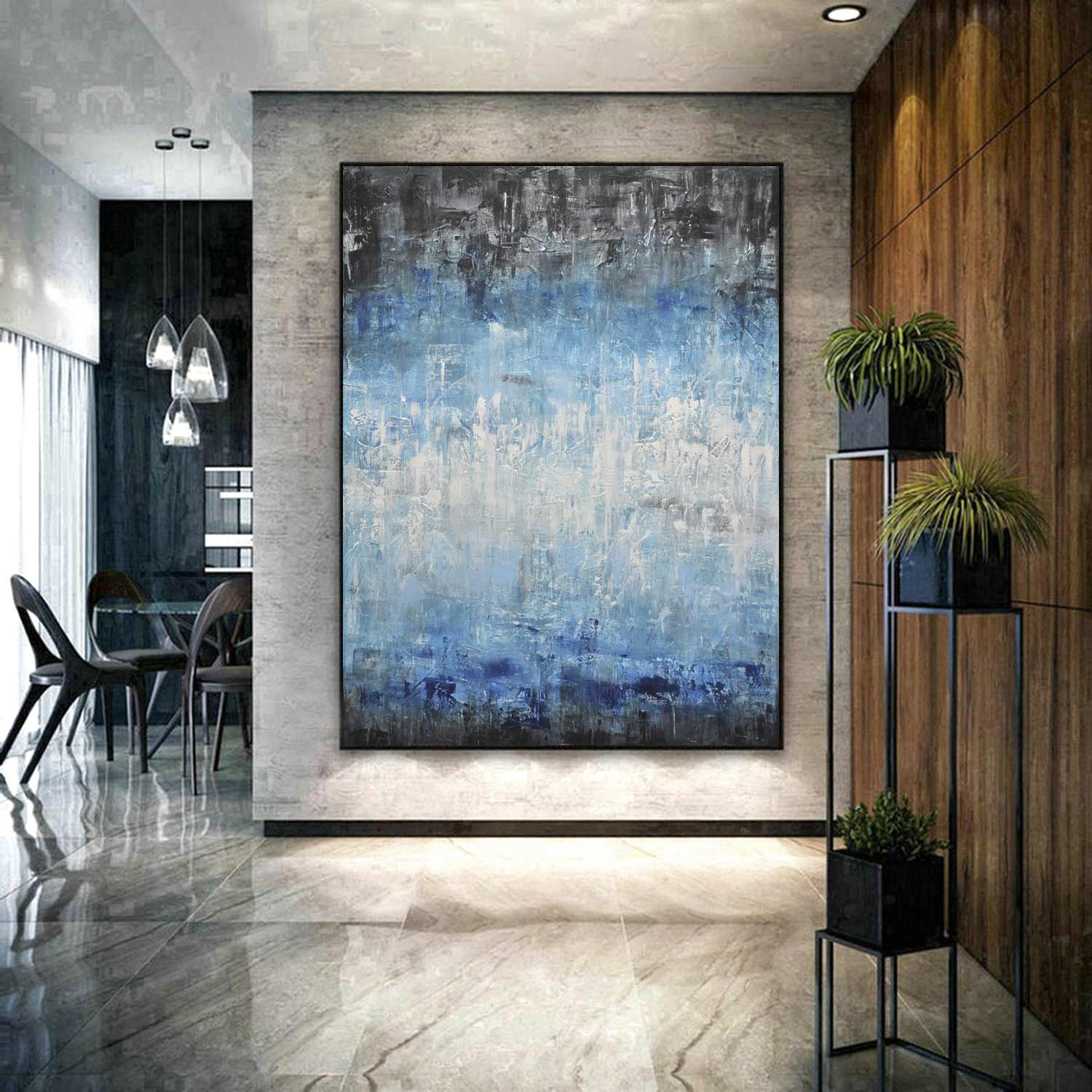
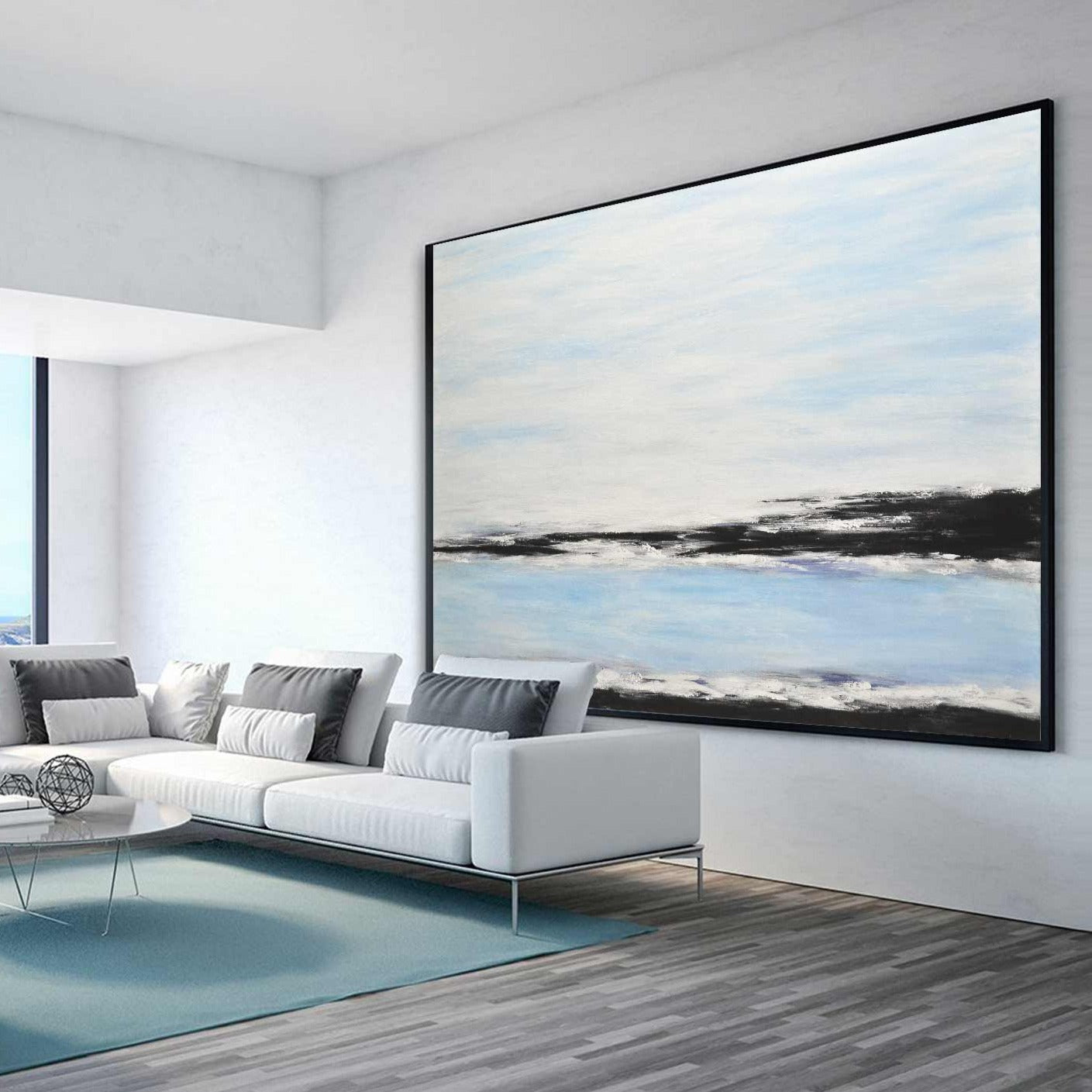
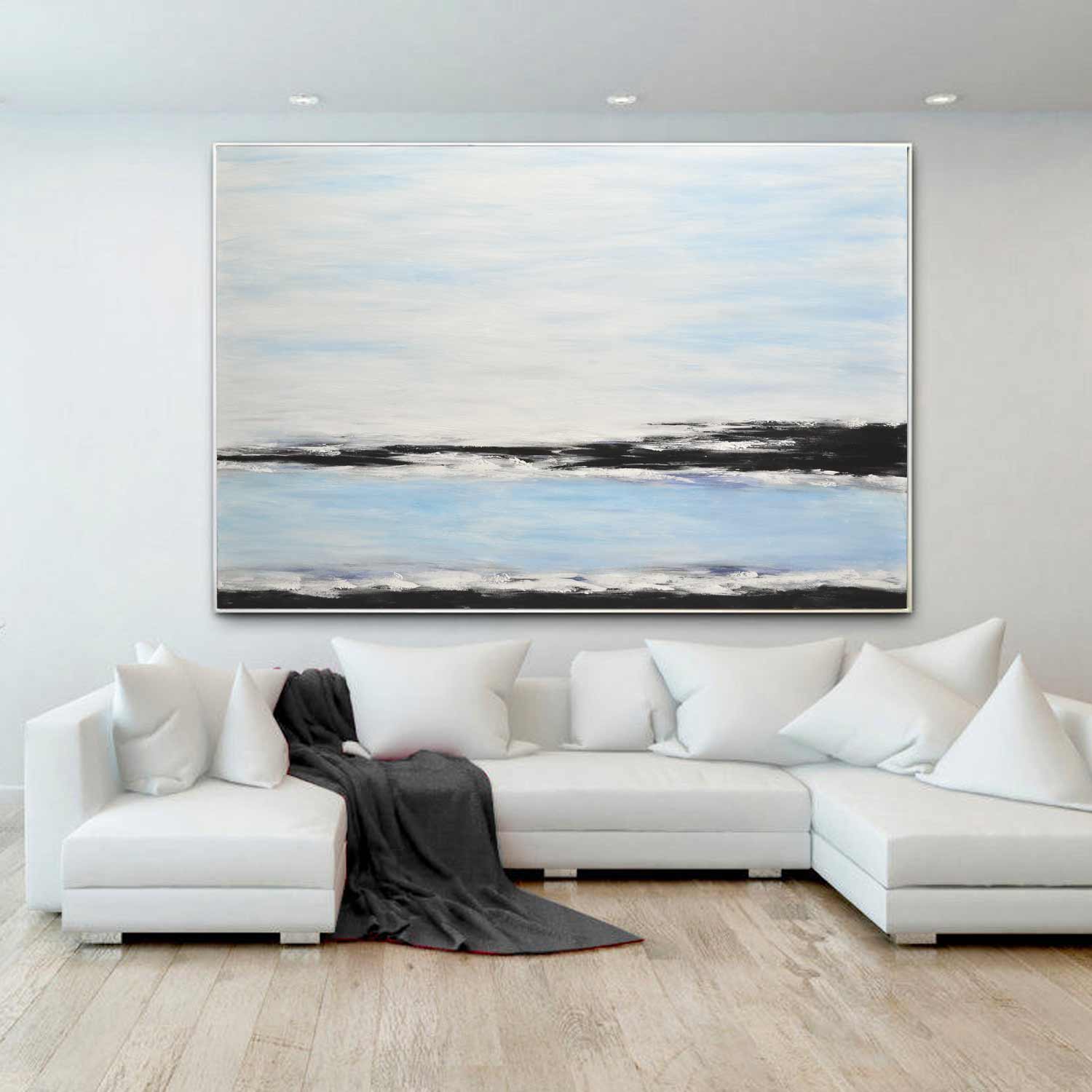
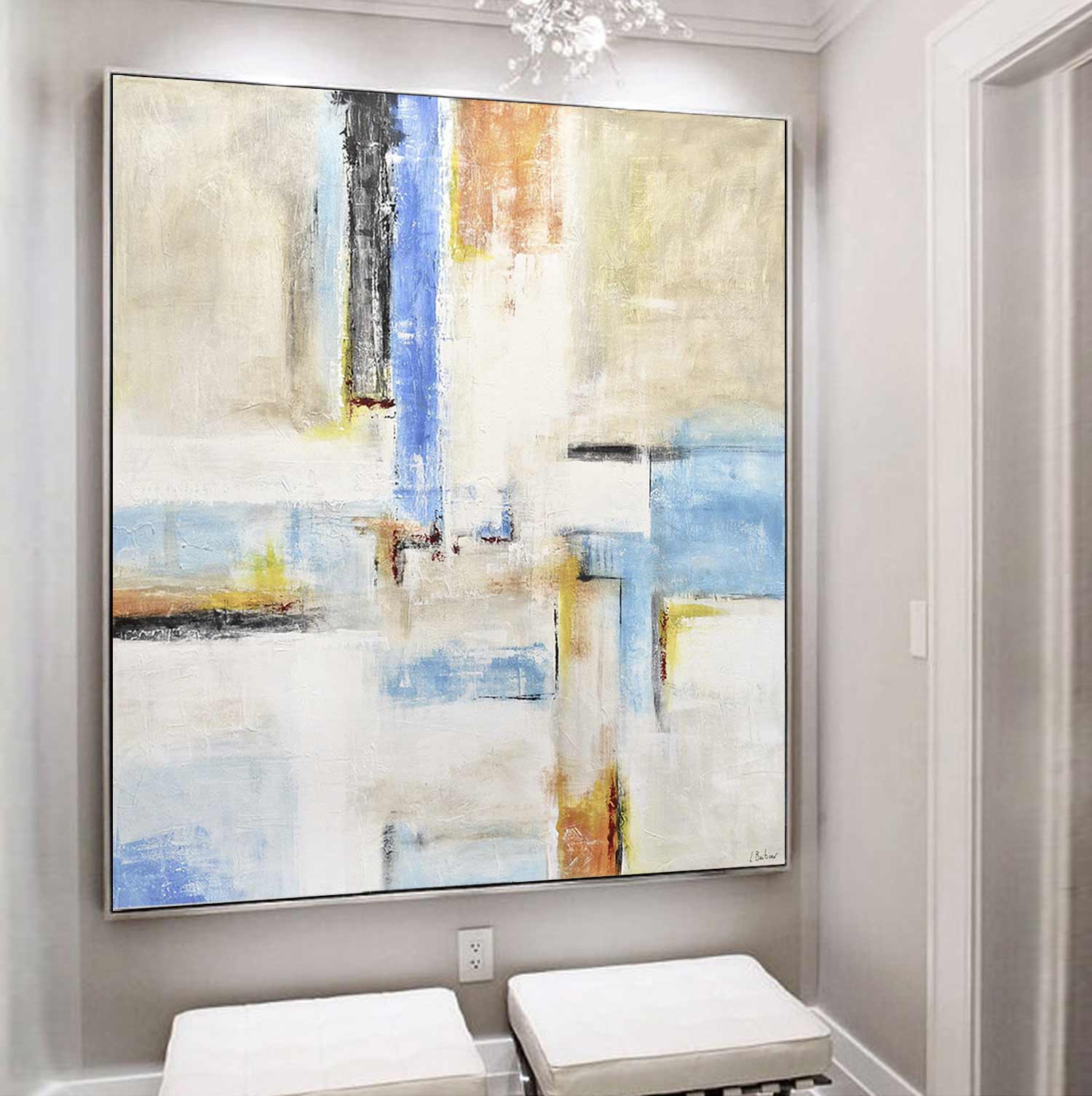
This collection features original handmade paintings selected for professional interiors. From large abstract paintings to calmer neutral artwork, these pieces are well suited for office lobbies, client-facing spaces, modern conference rooms and corporate environments that need warmth, presence and visual impact.
Choosing Paintings by Office Space
Different areas of an office serve different purposes. A large statement painting may work beautifully in a lobby, while a softer and more understated piece may be better for a private office or meeting room.
Office Lobby and Reception Paintings
The lobby or reception area is often the first place clients, visitors and employees experience your business. This makes it one of the most important places for office art.
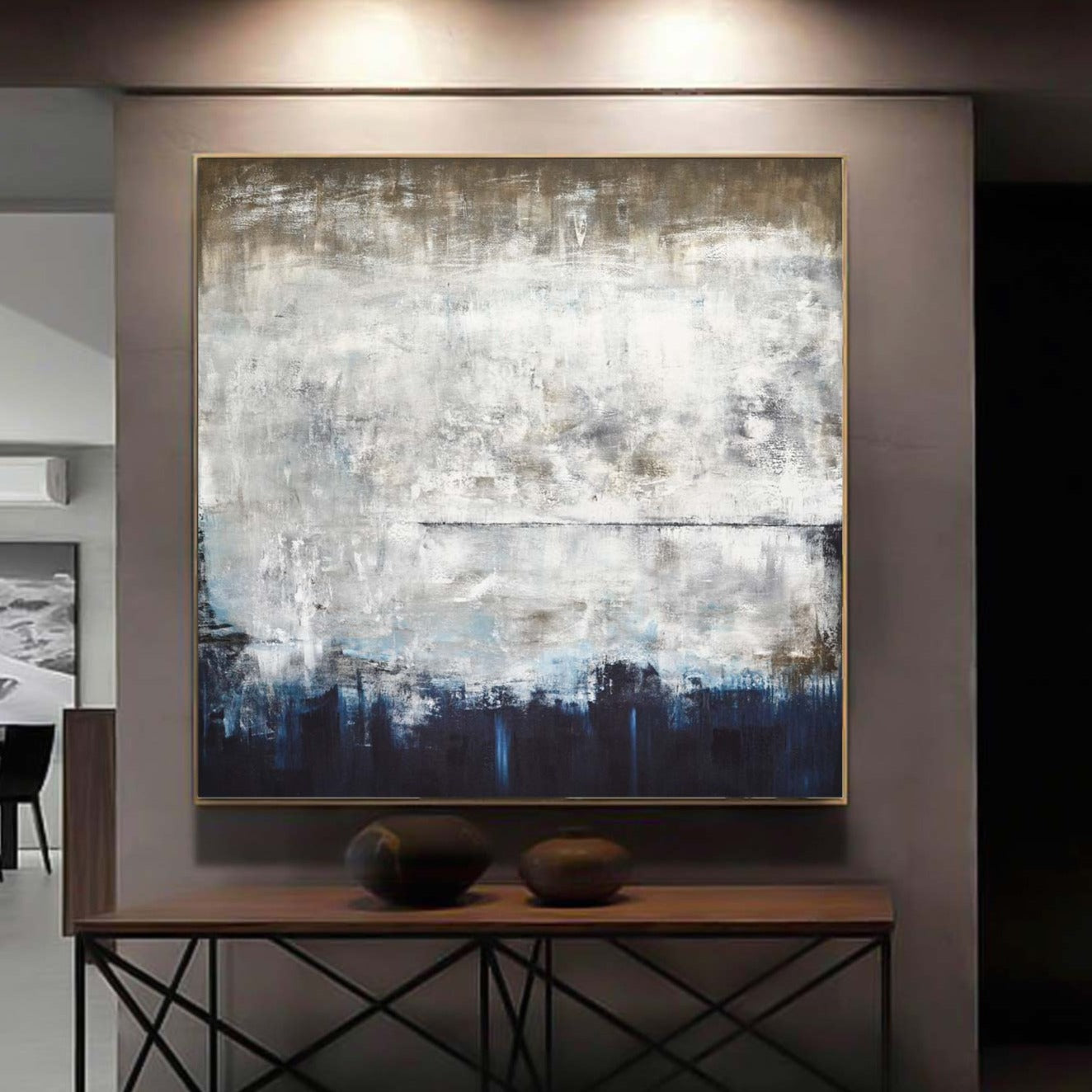
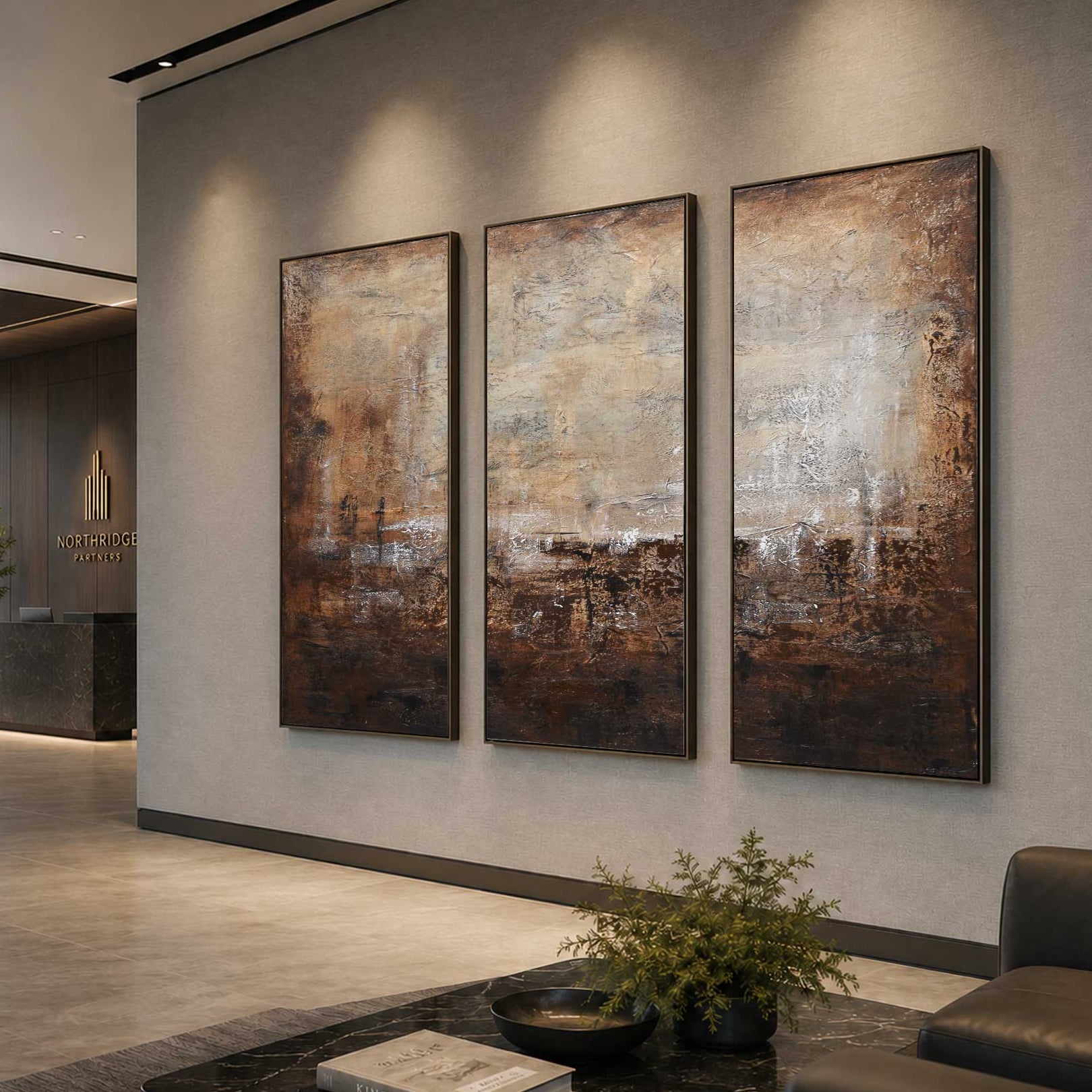
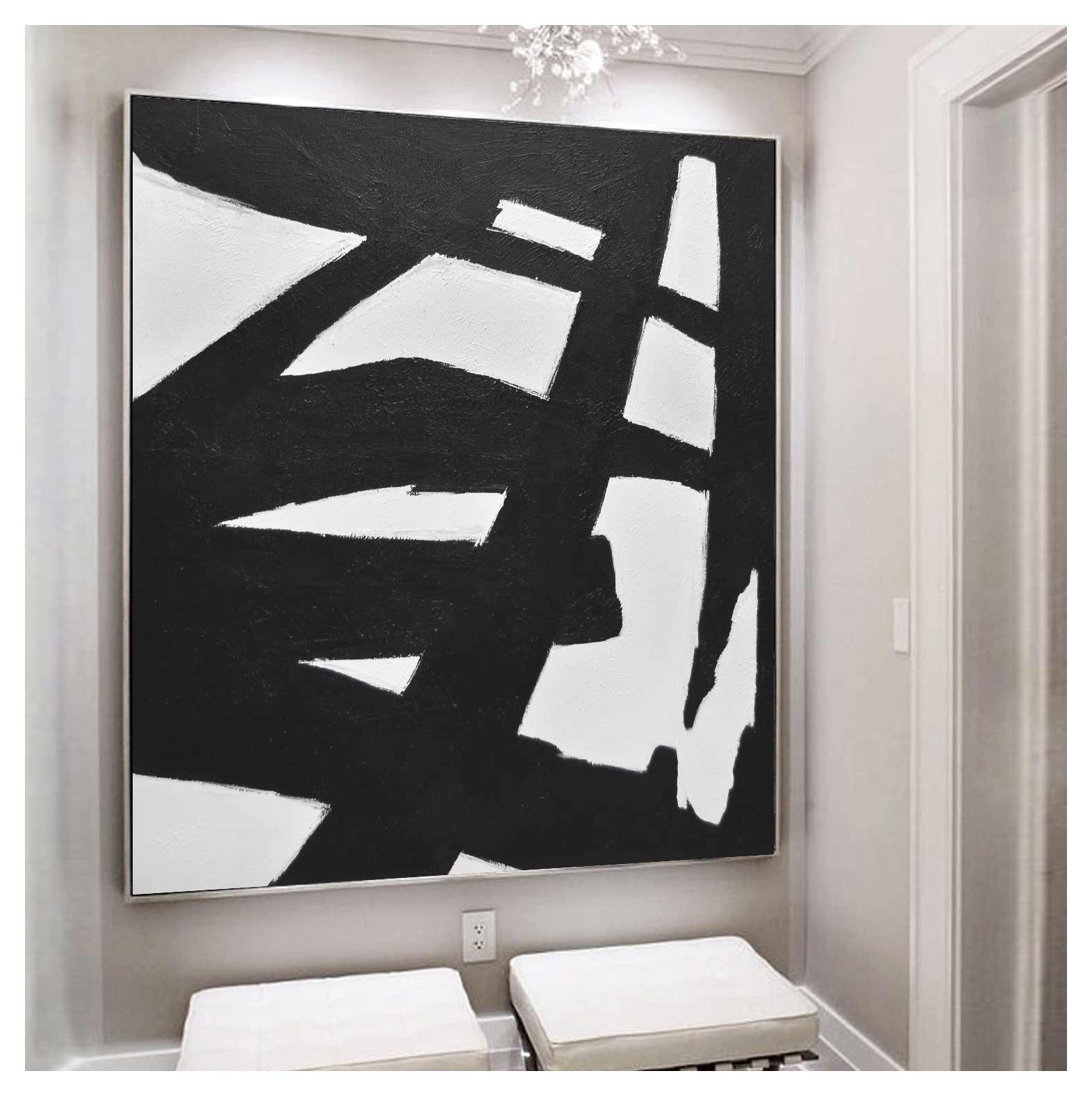
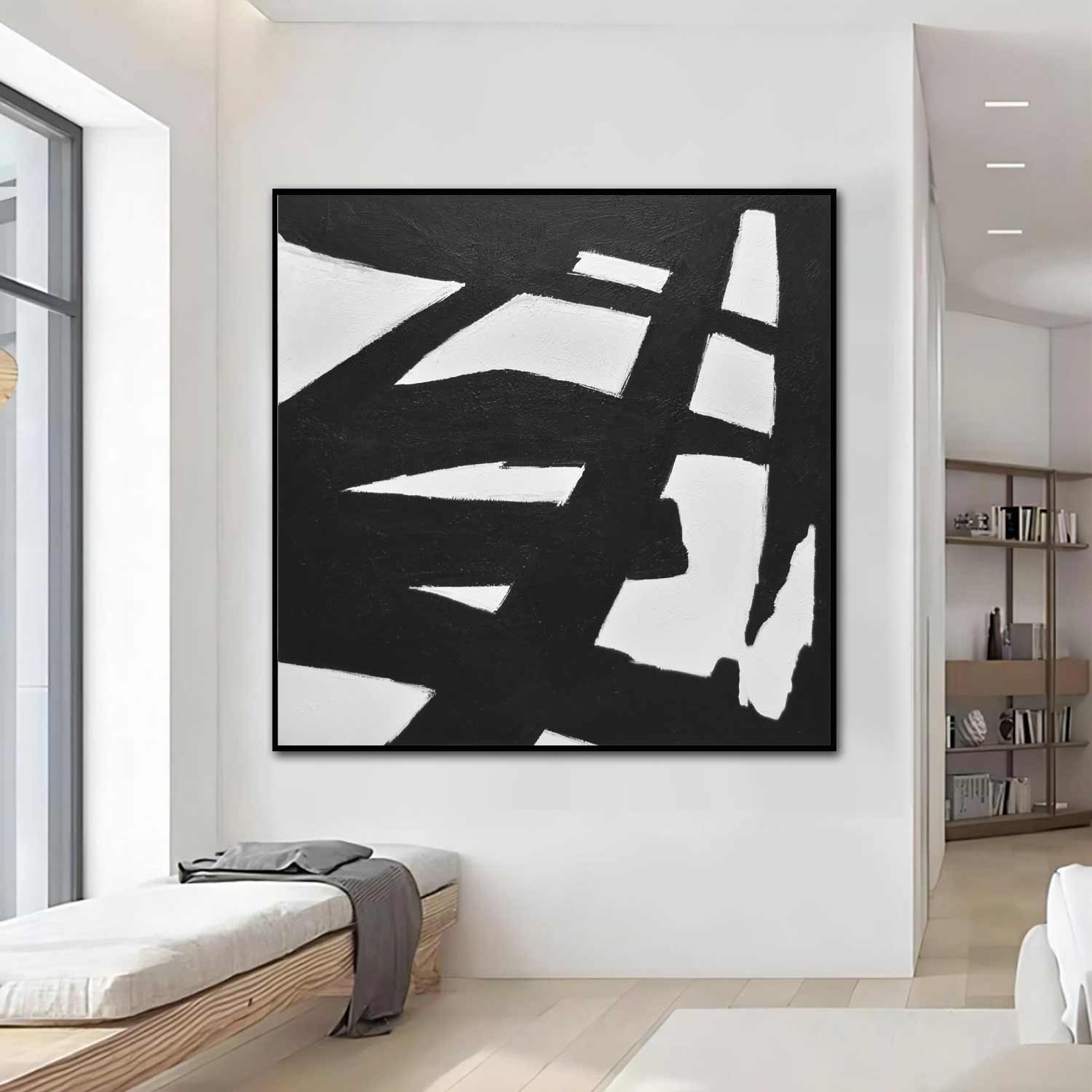
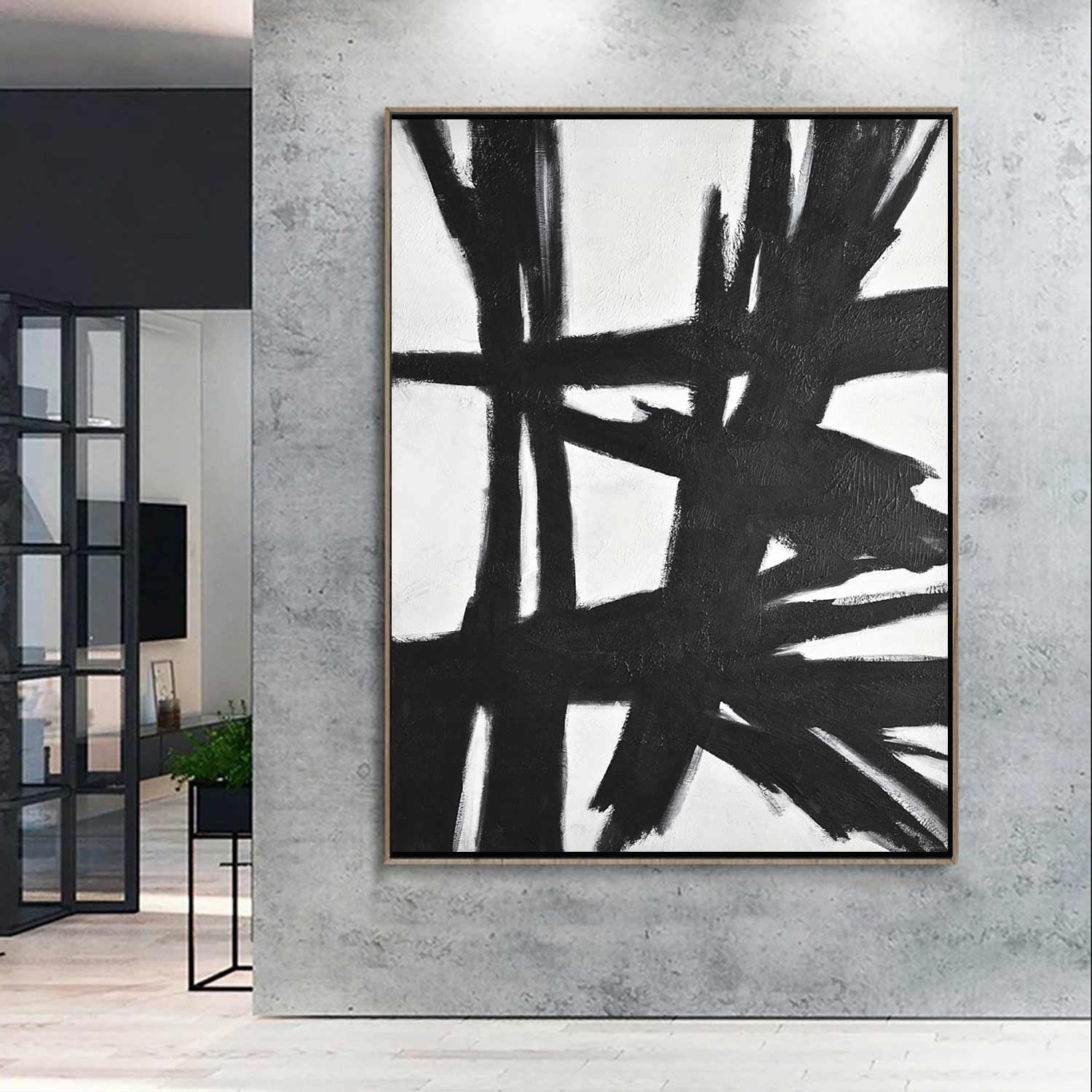
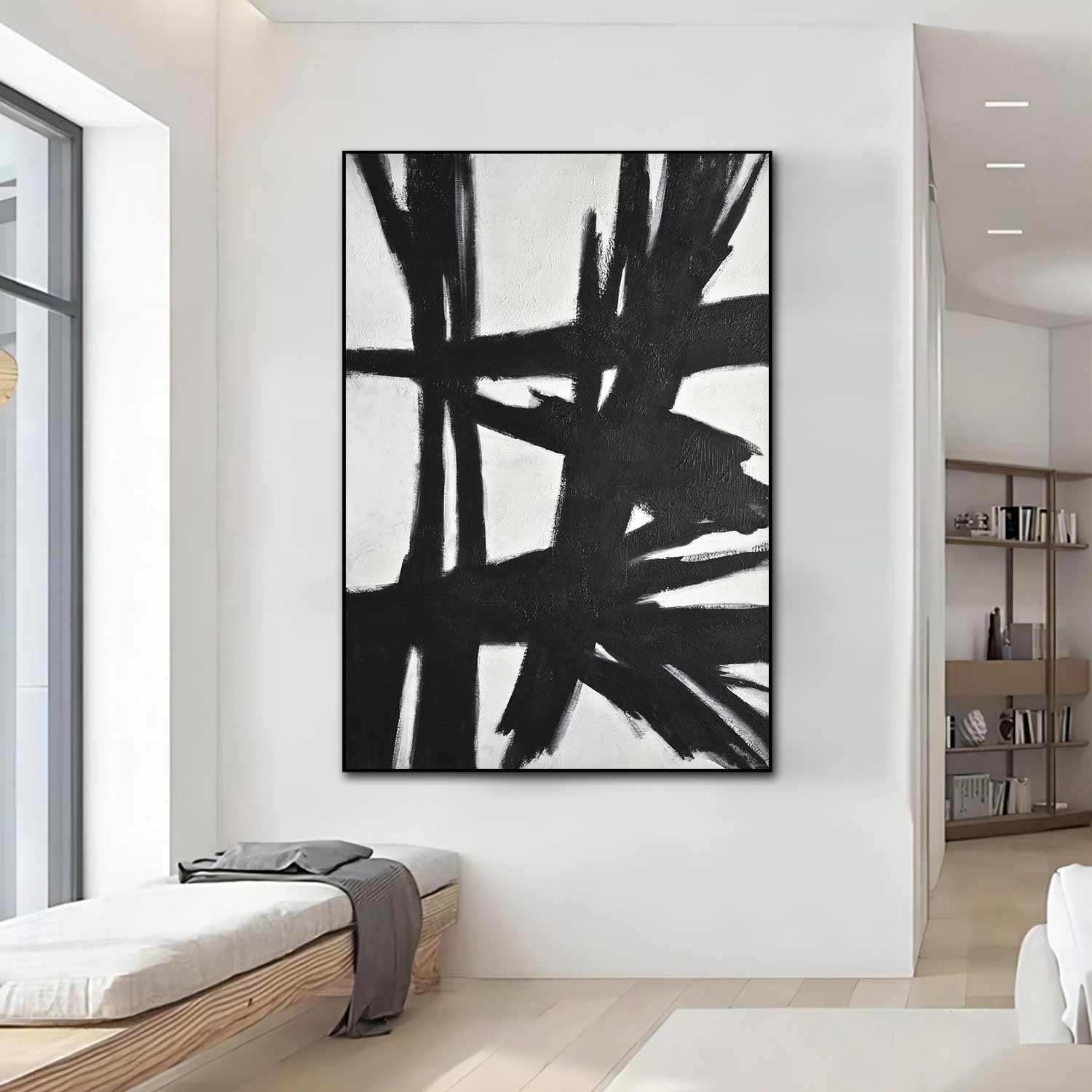
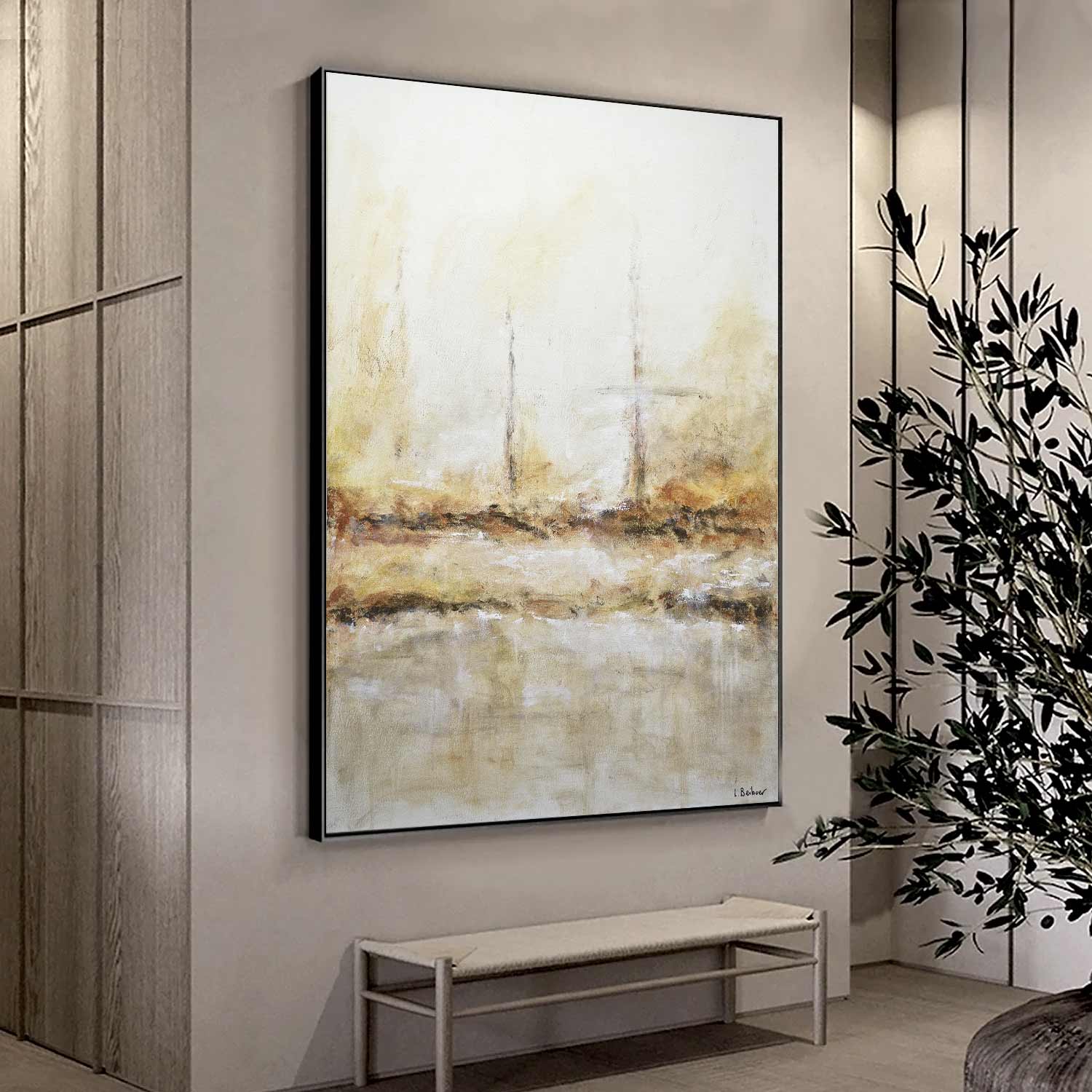
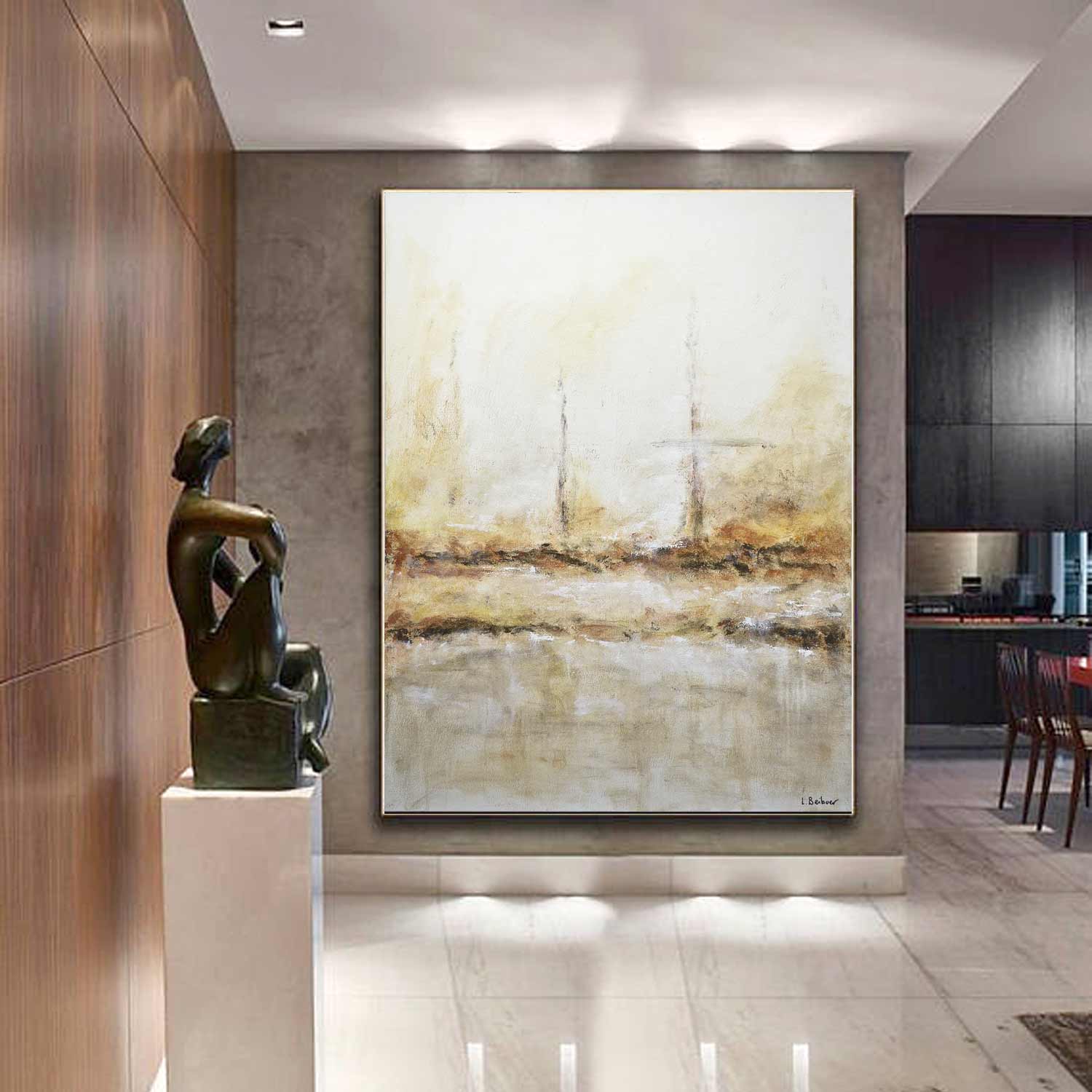
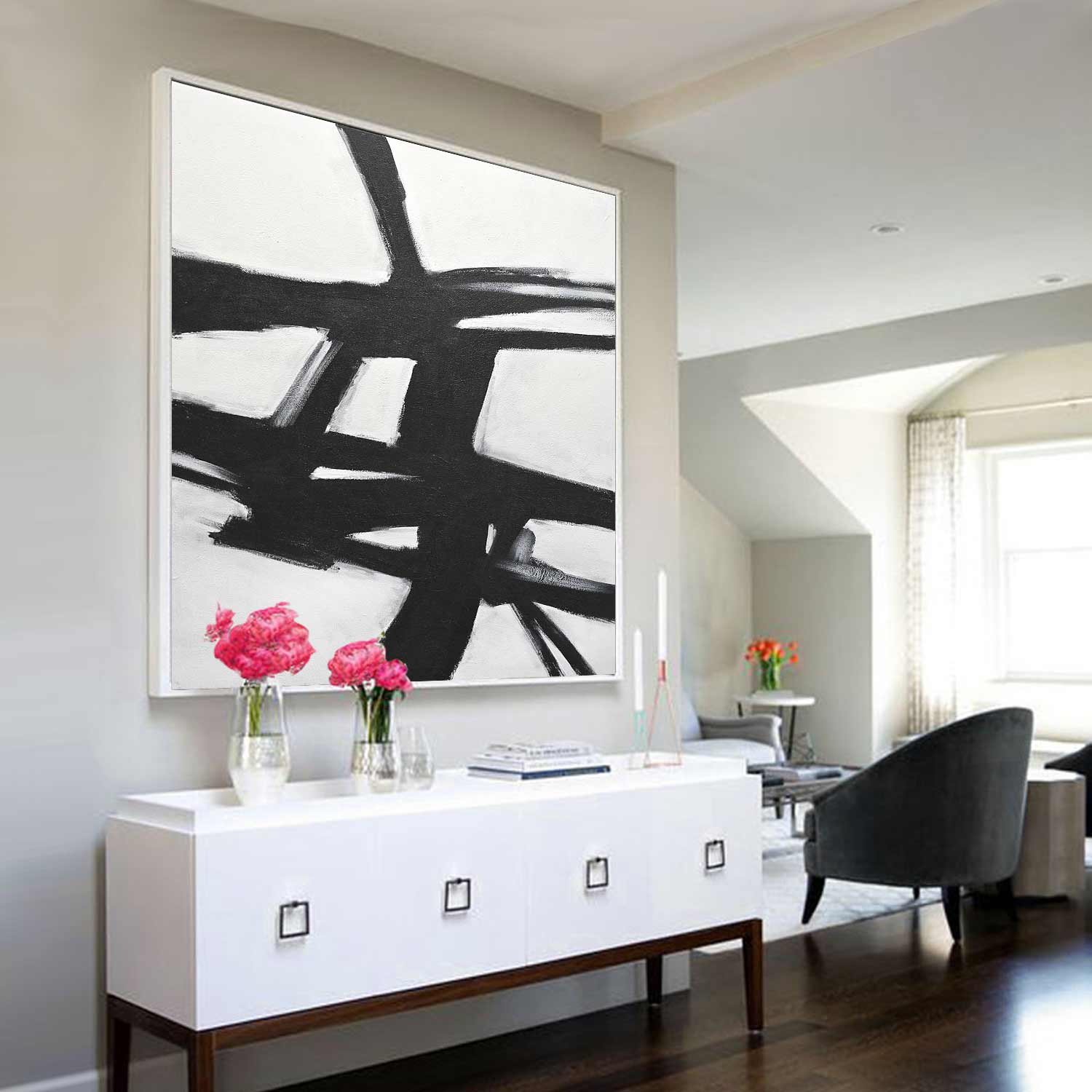
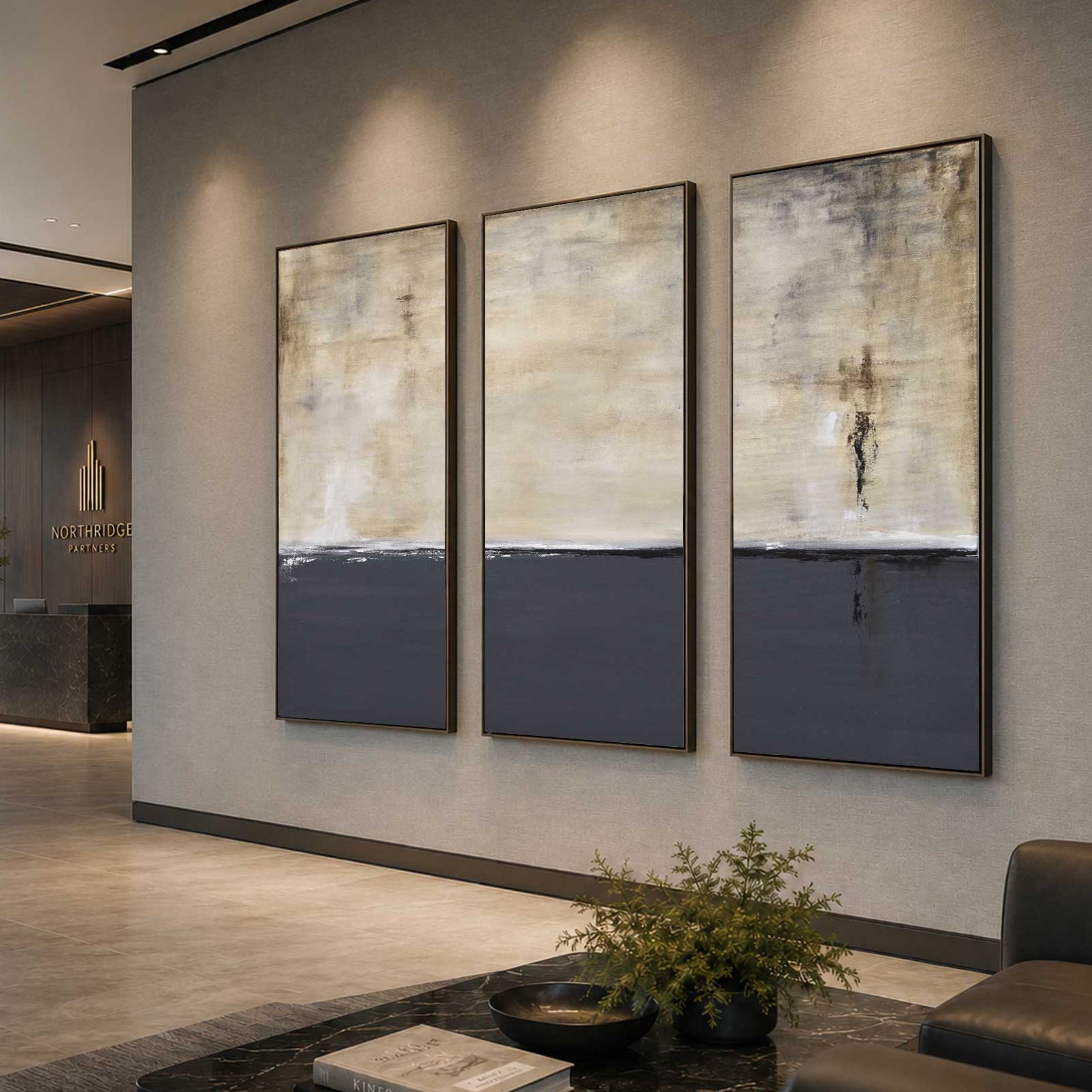
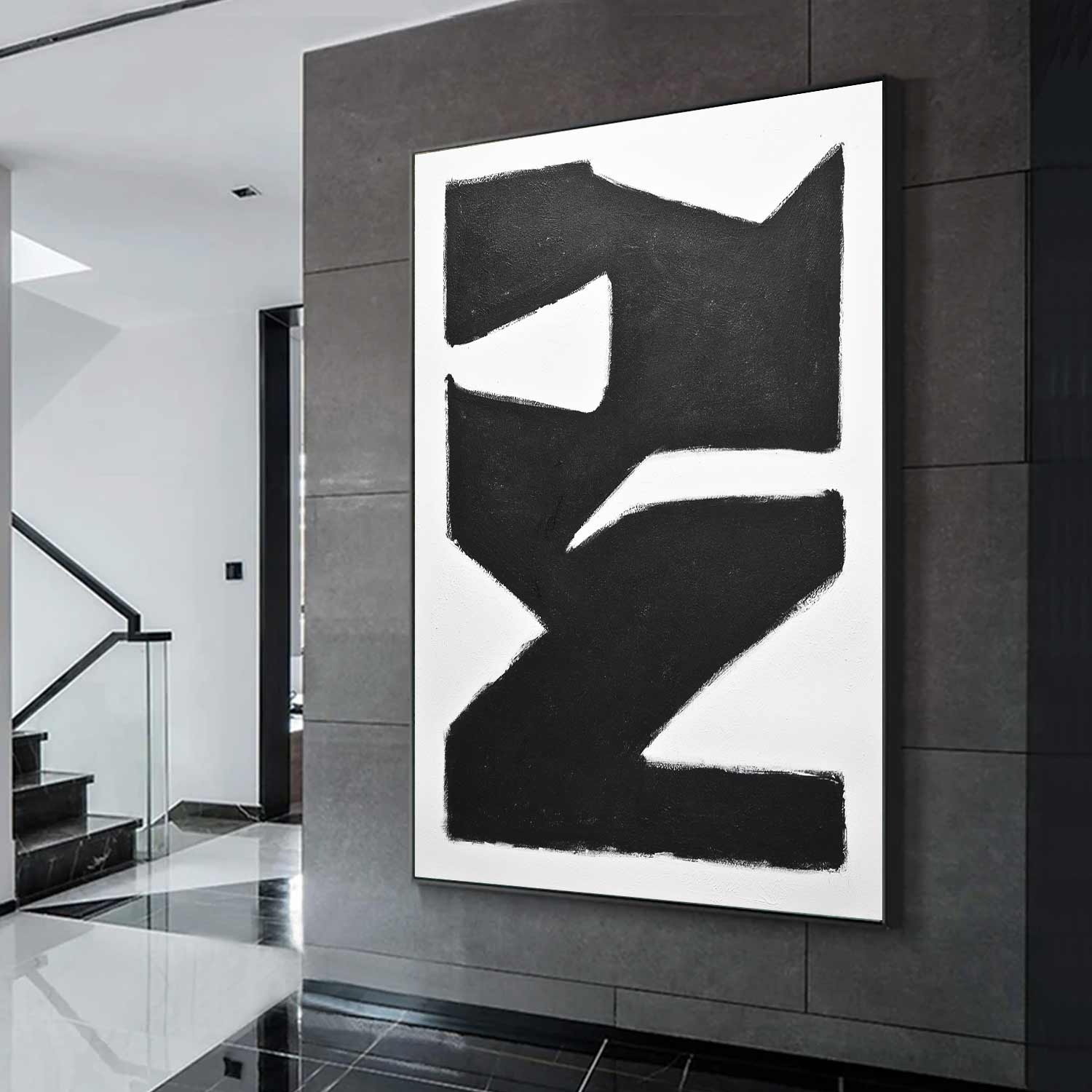
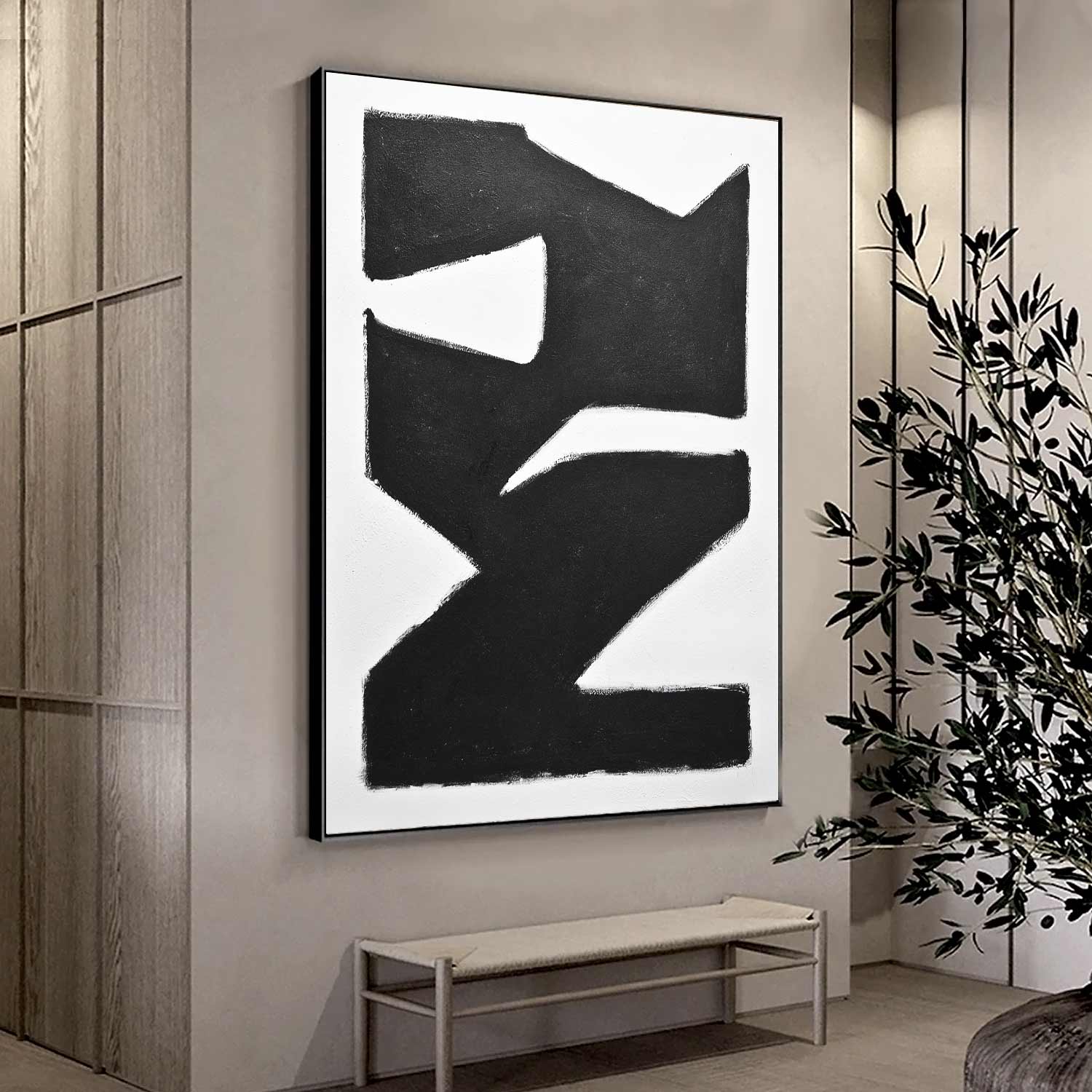
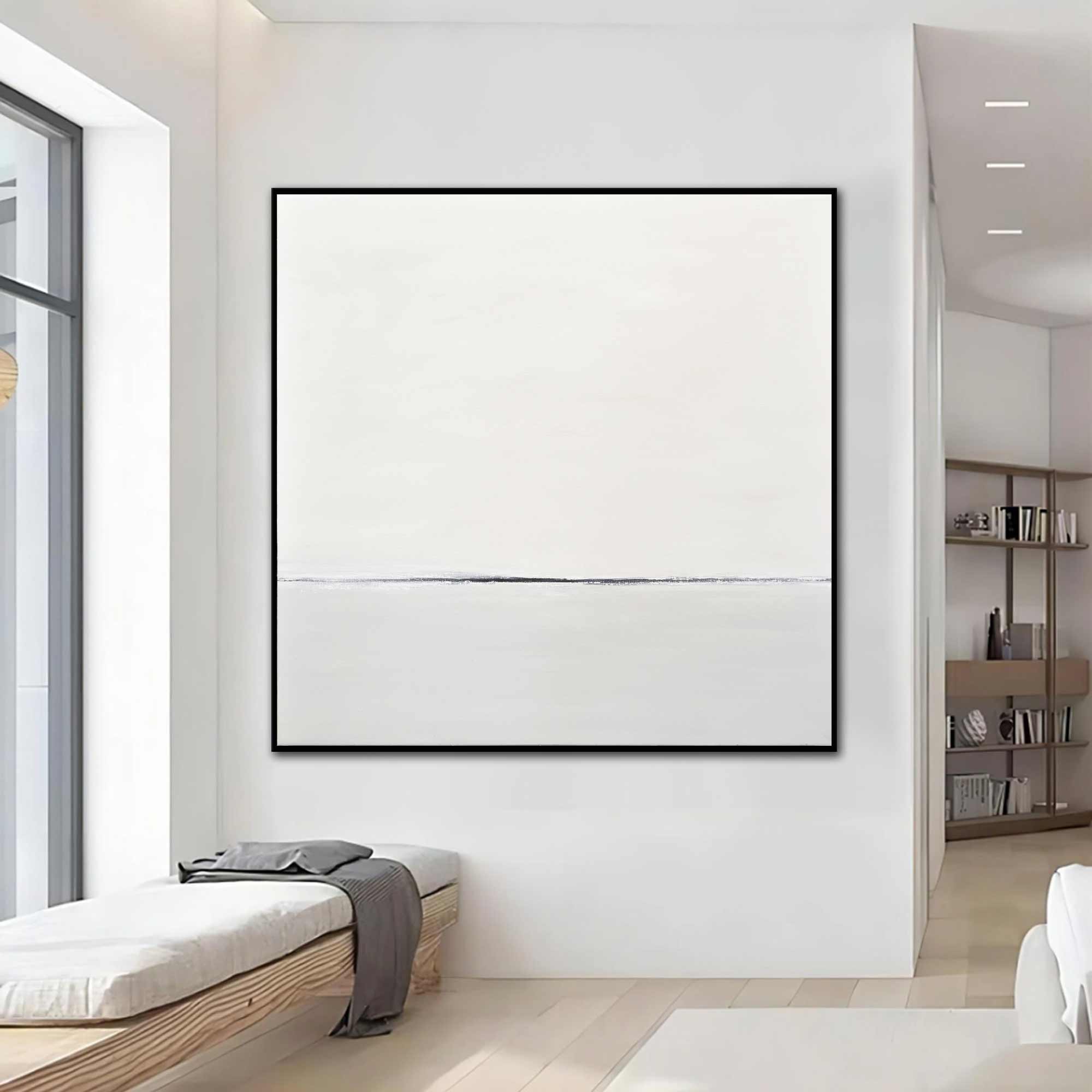
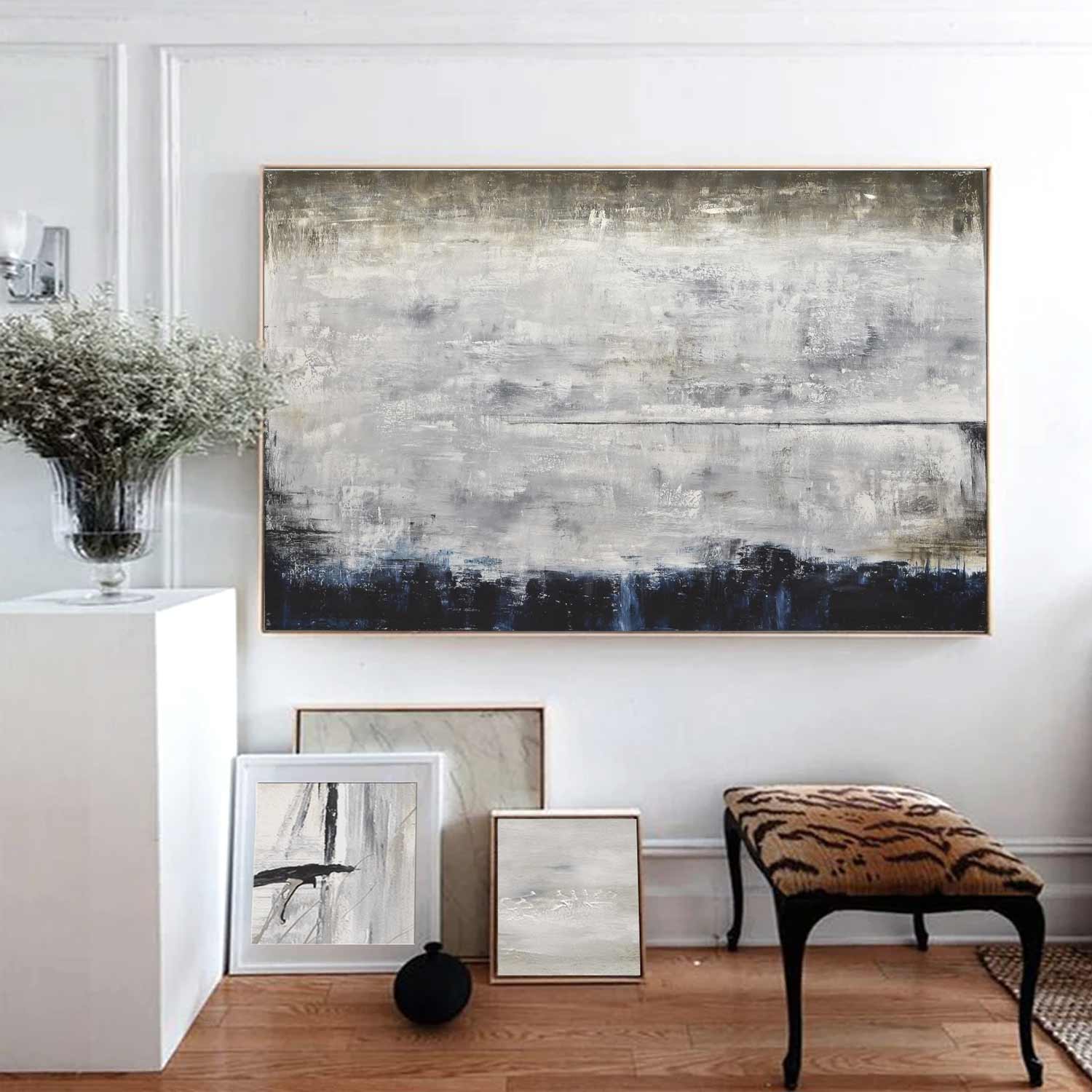
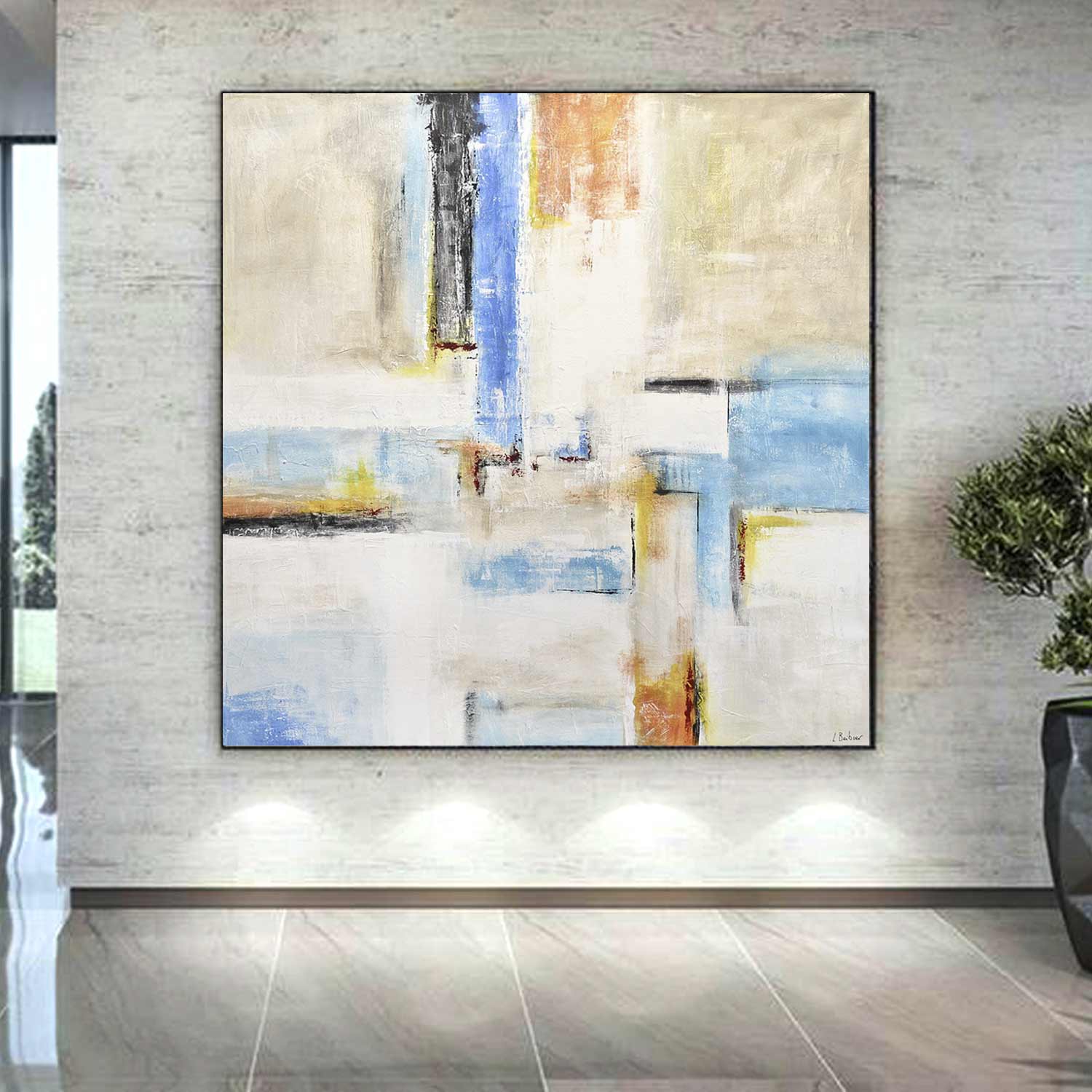
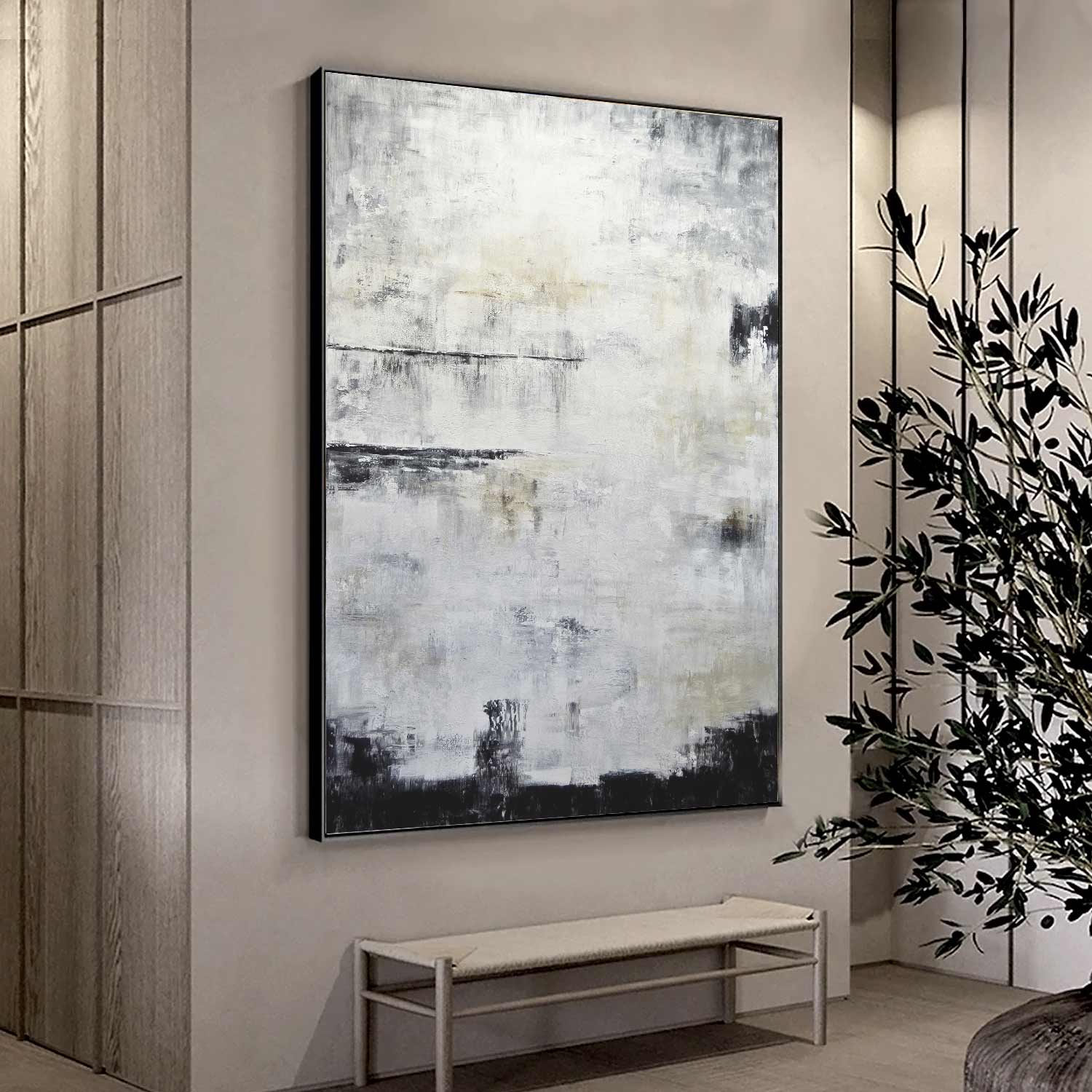
A large painting behind the reception desk, above a seating area or on a main entry wall can create a strong first impression. Abstract paintings, black and white artwork, earth tones and large horizontal pieces are all strong choices for reception areas because they feel refined without being too personal or distracting.
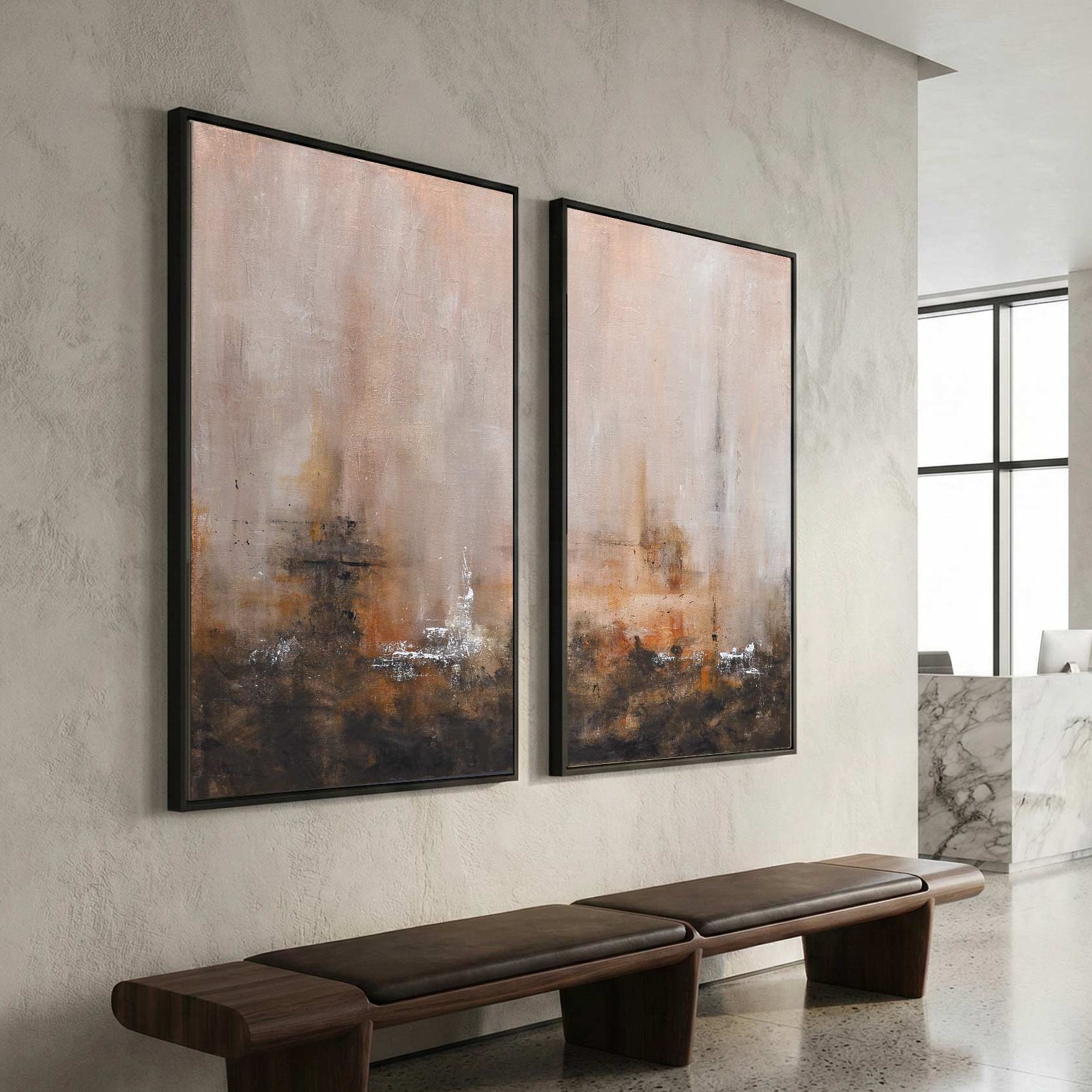
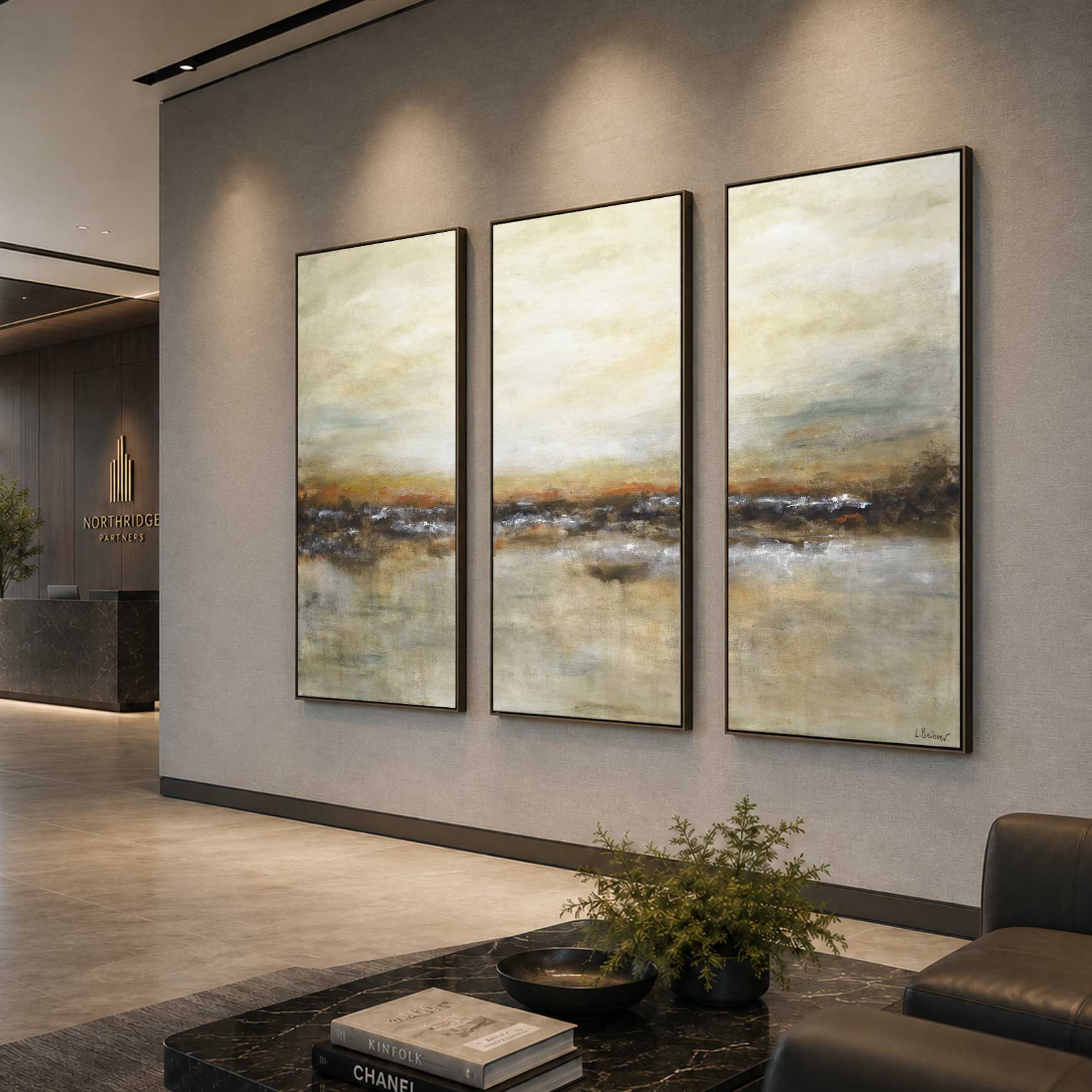
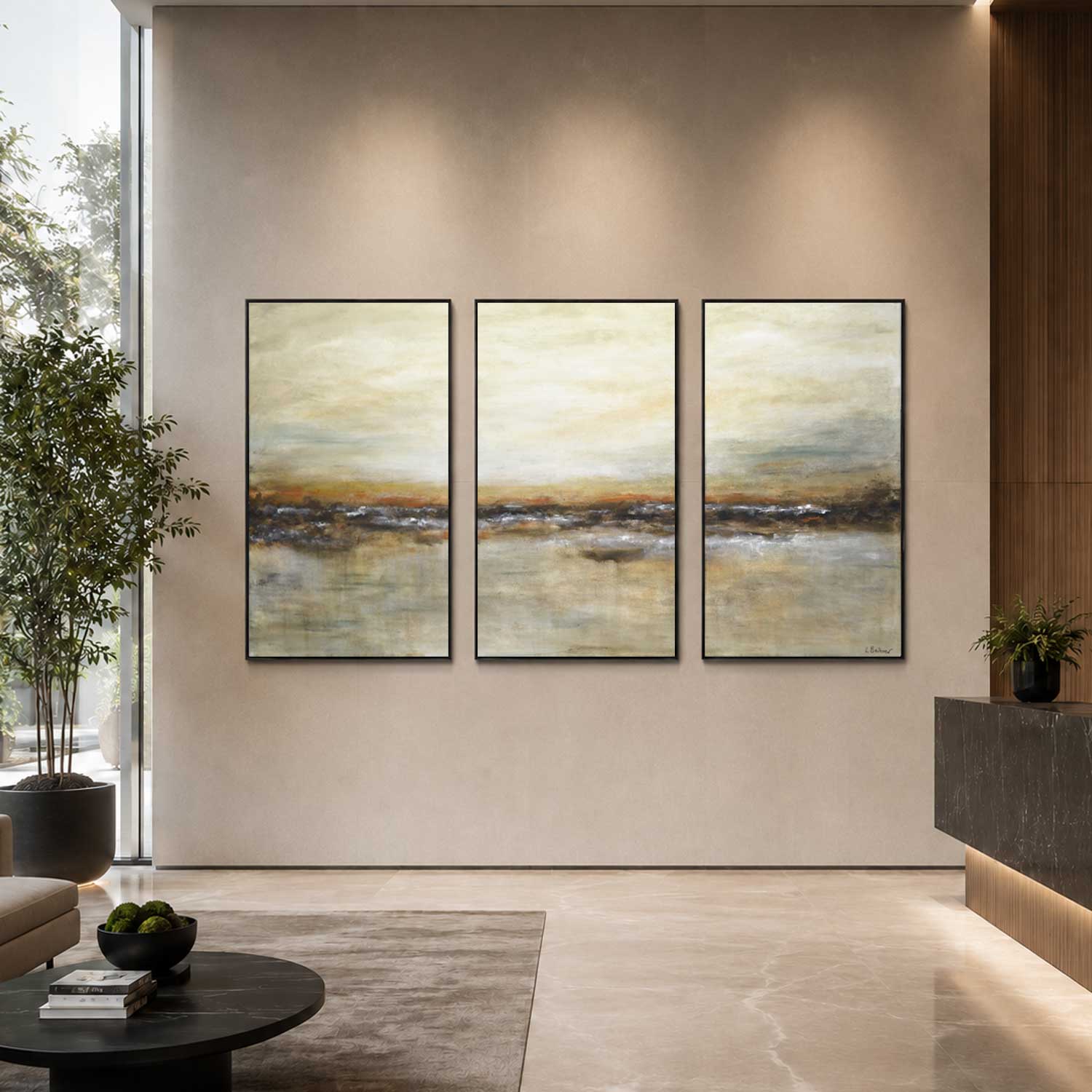
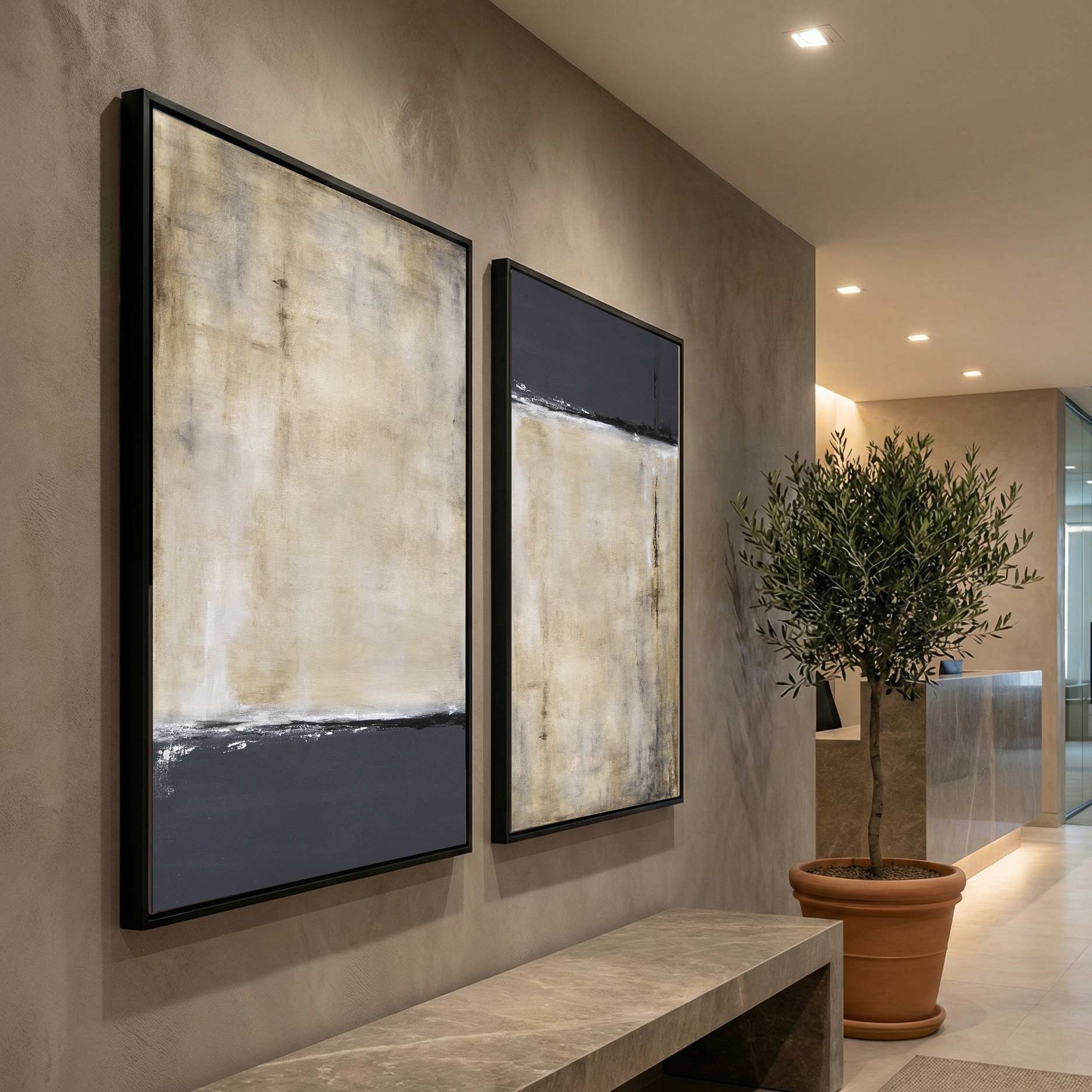
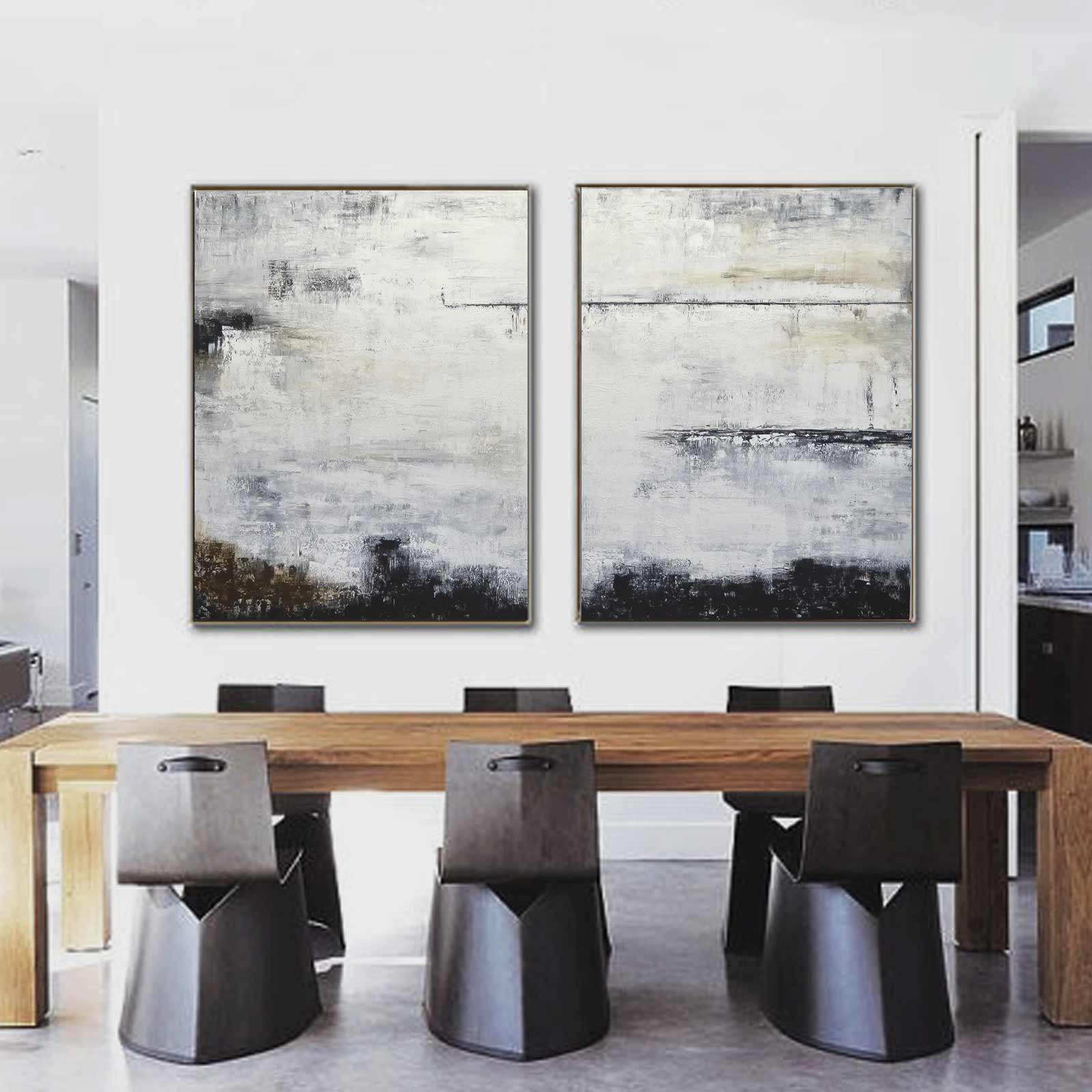
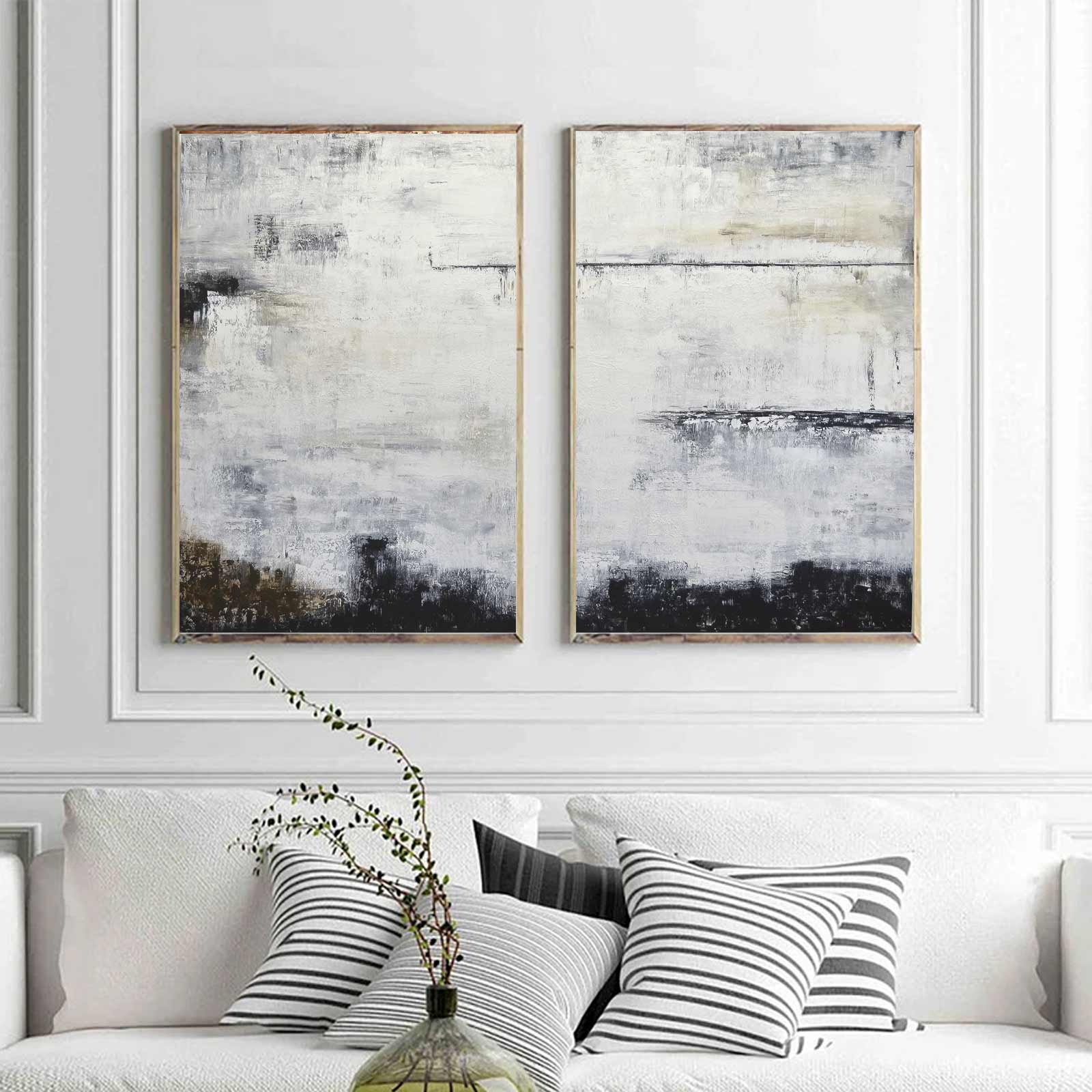
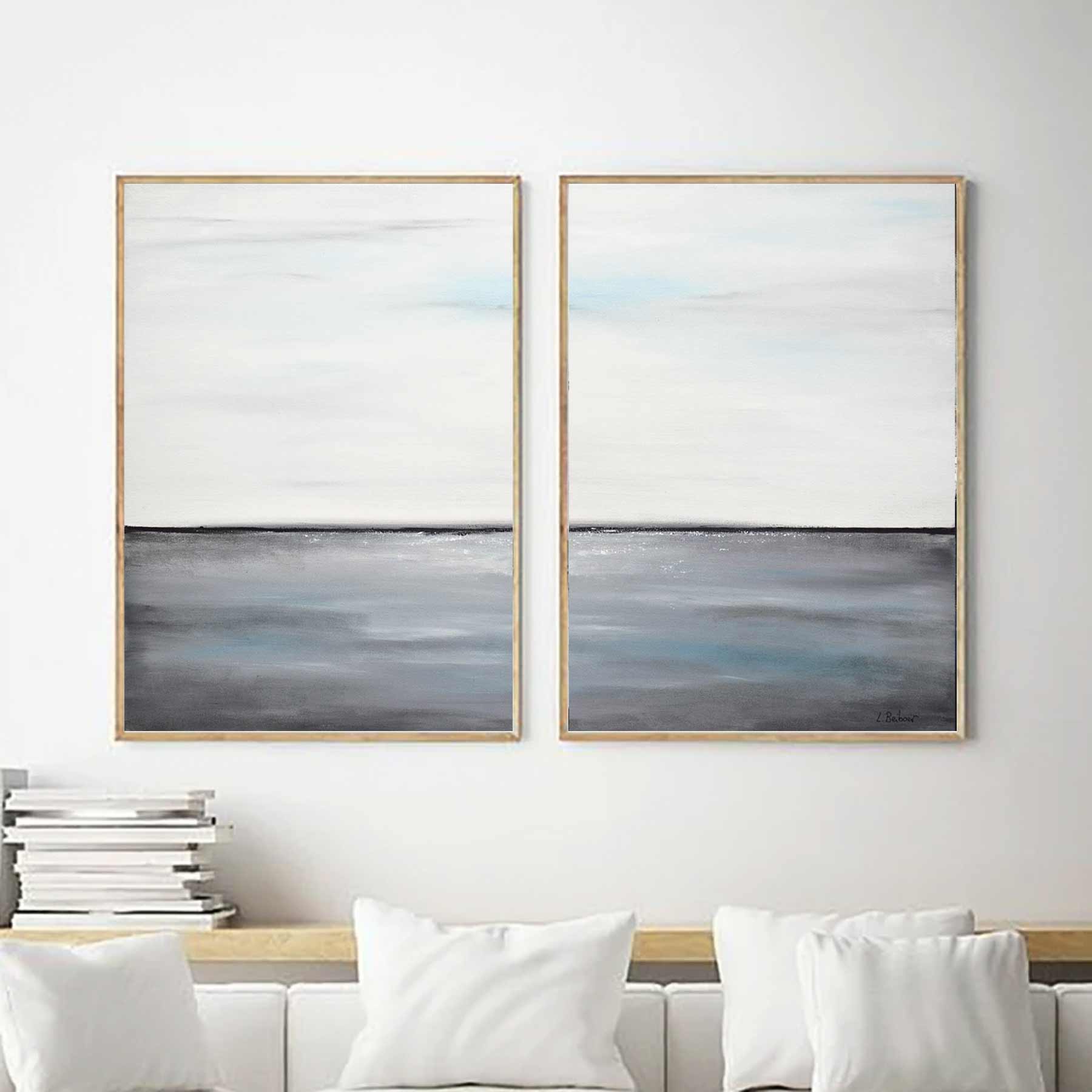
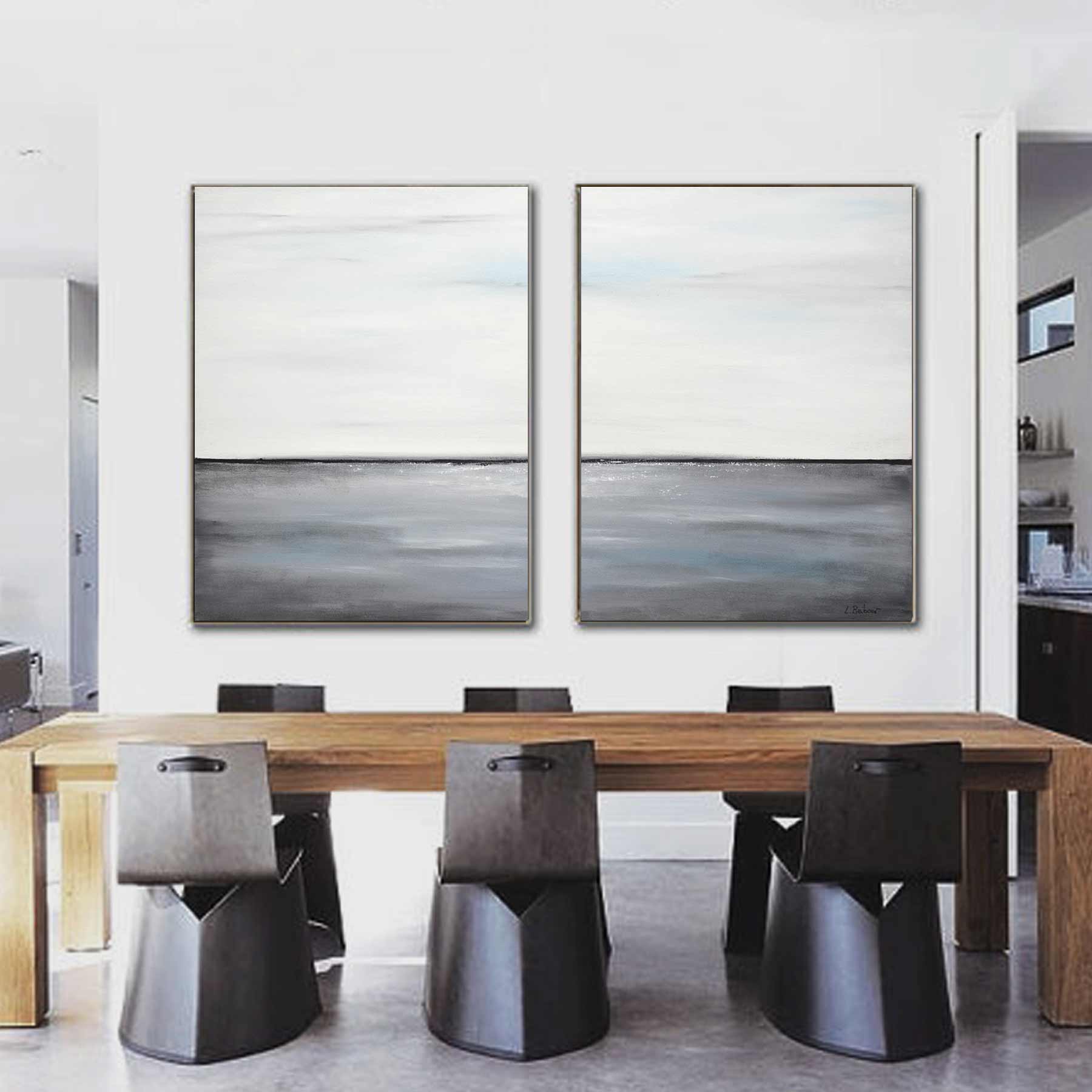
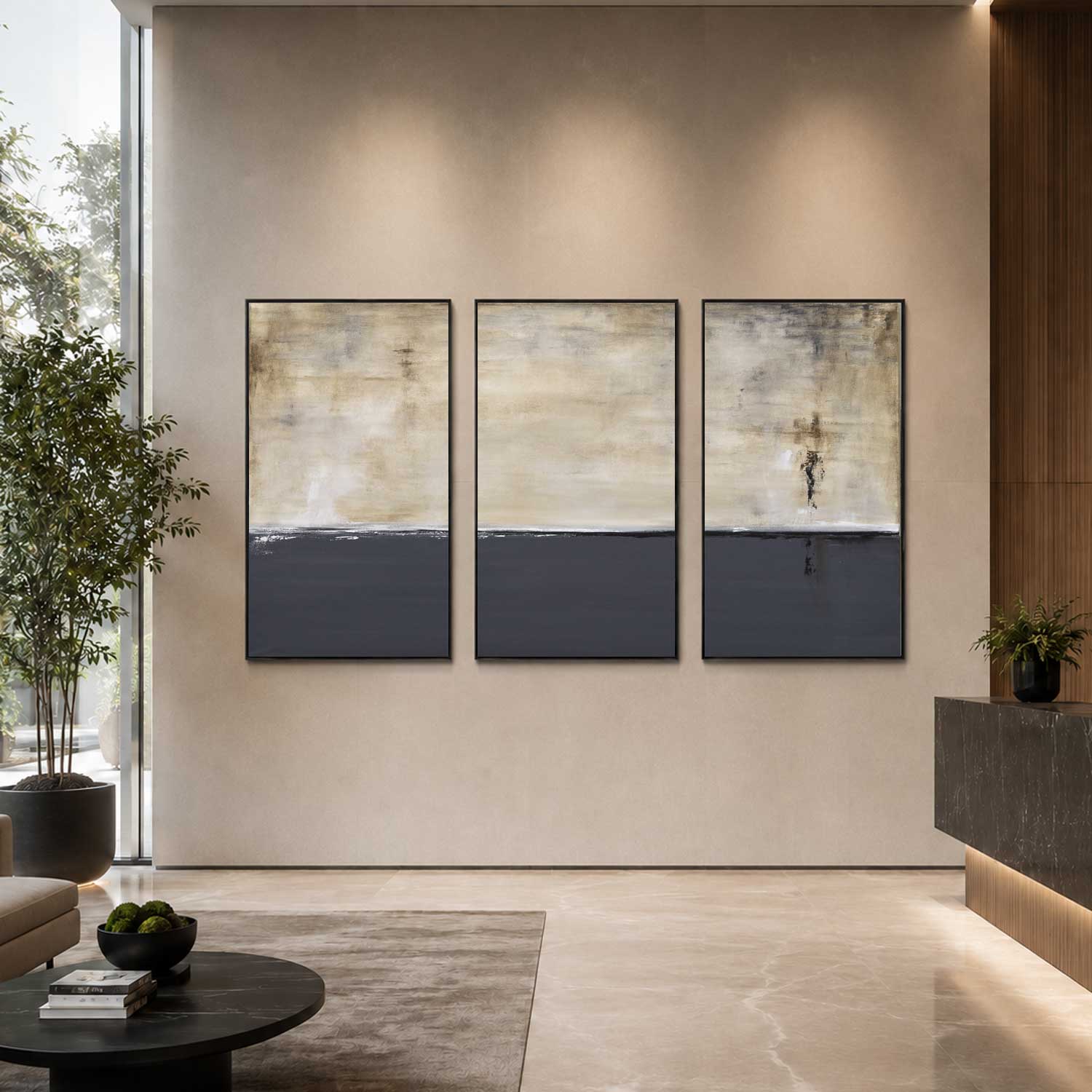
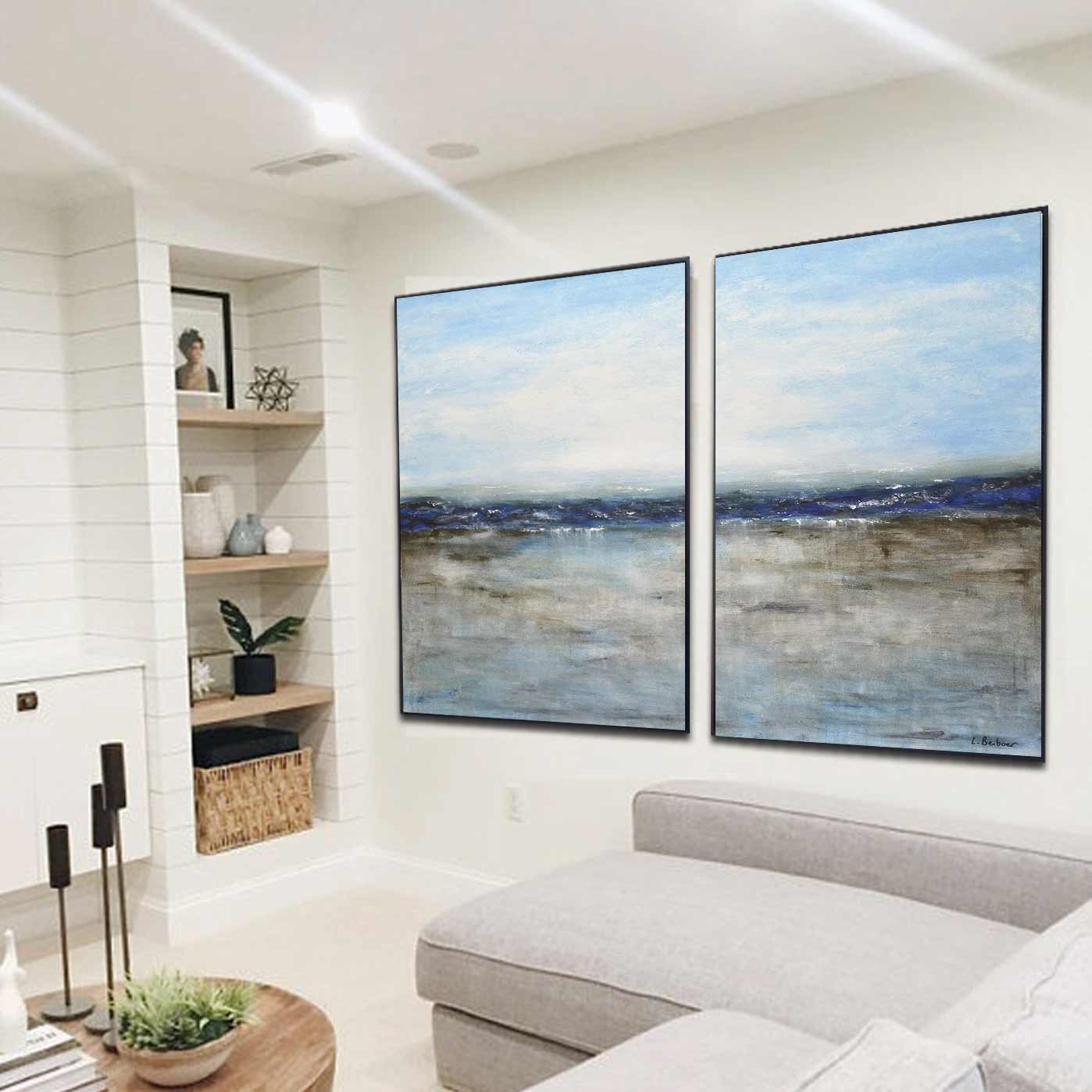
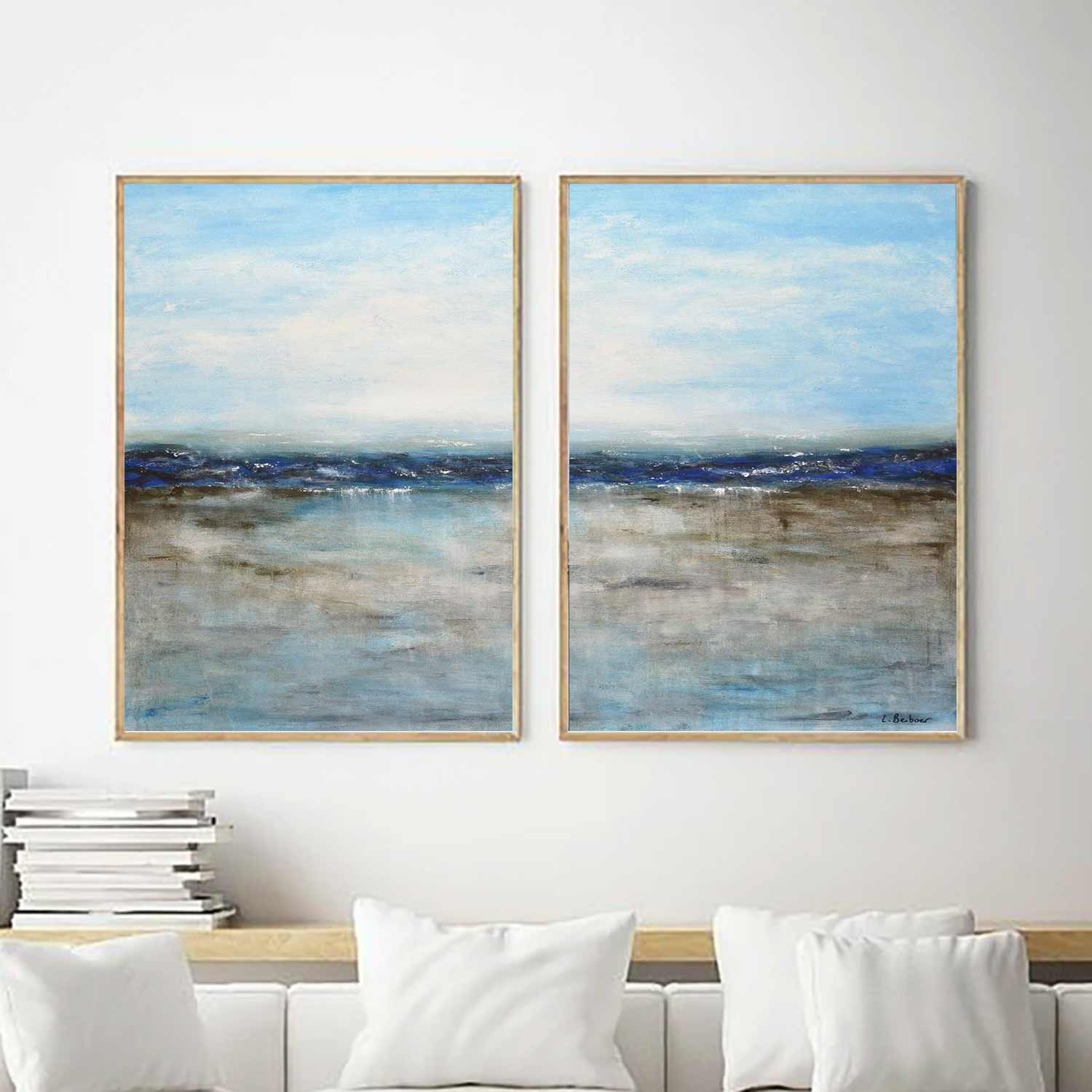
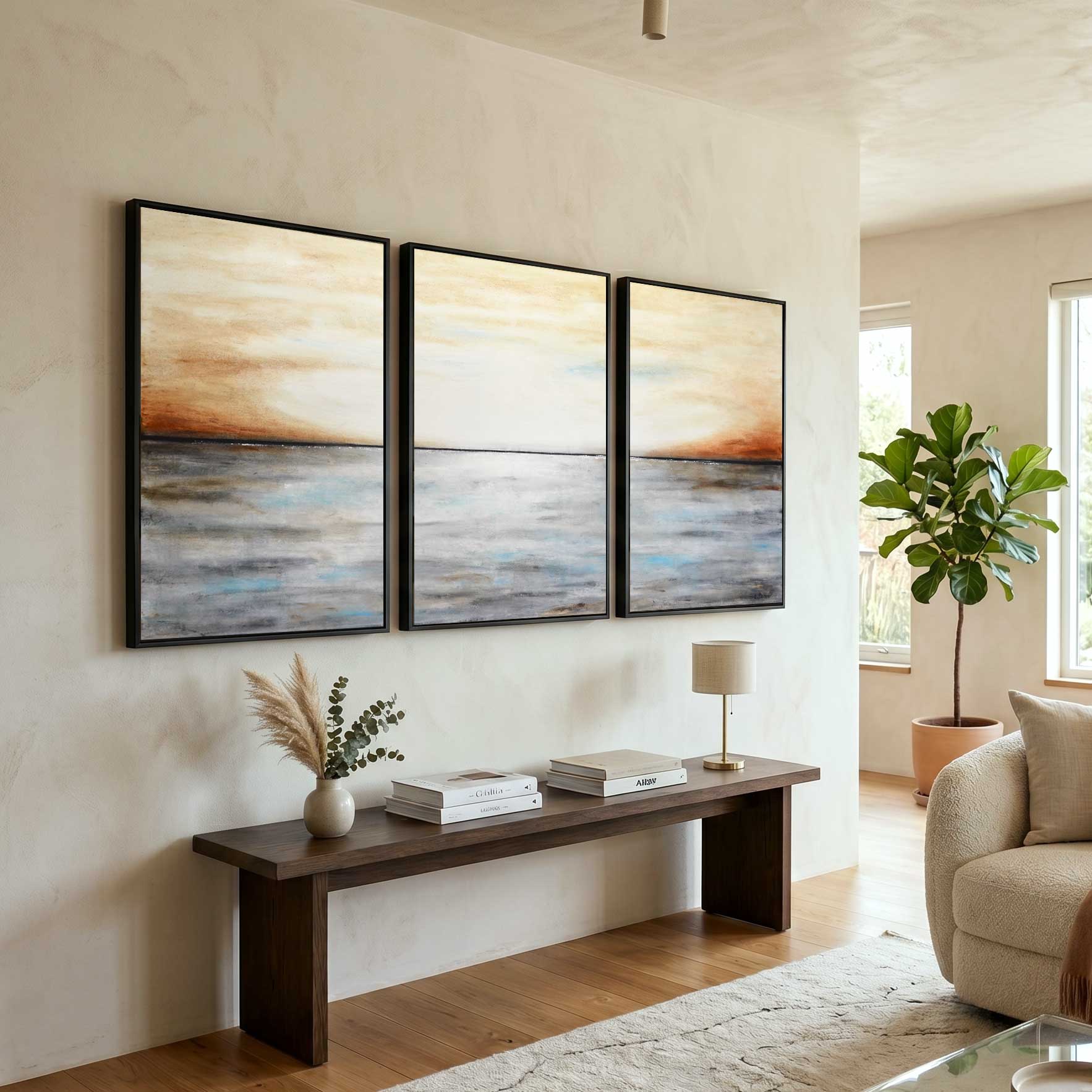
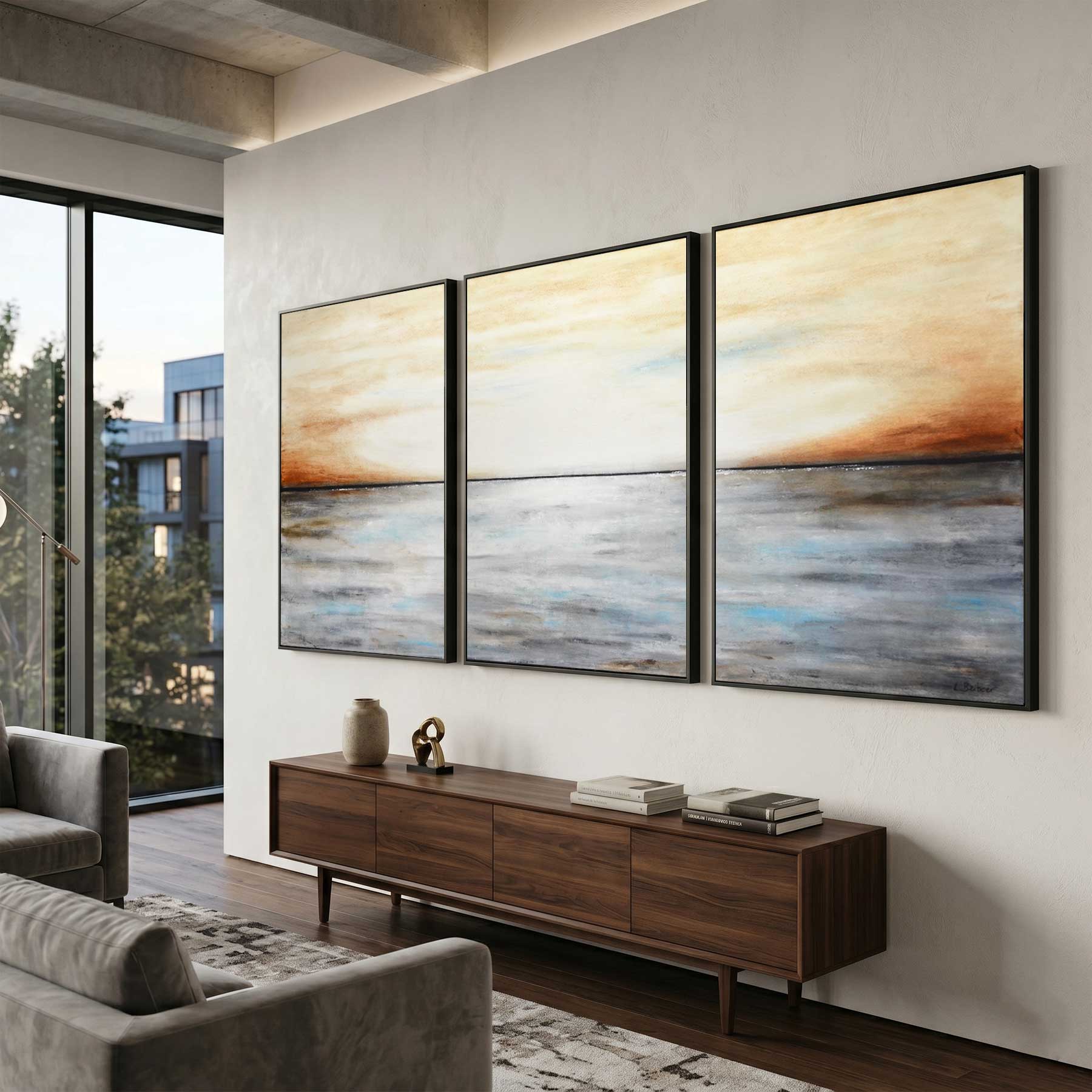
For wide lobby walls, consider a large single painting, a diptych or a triptych. These formats can help the artwork feel properly scaled to the space.
Conference Room Art
Conference rooms should feel professional, focused and comfortable. The artwork should add interest to the room without pulling too much attention away from meetings and presentations.
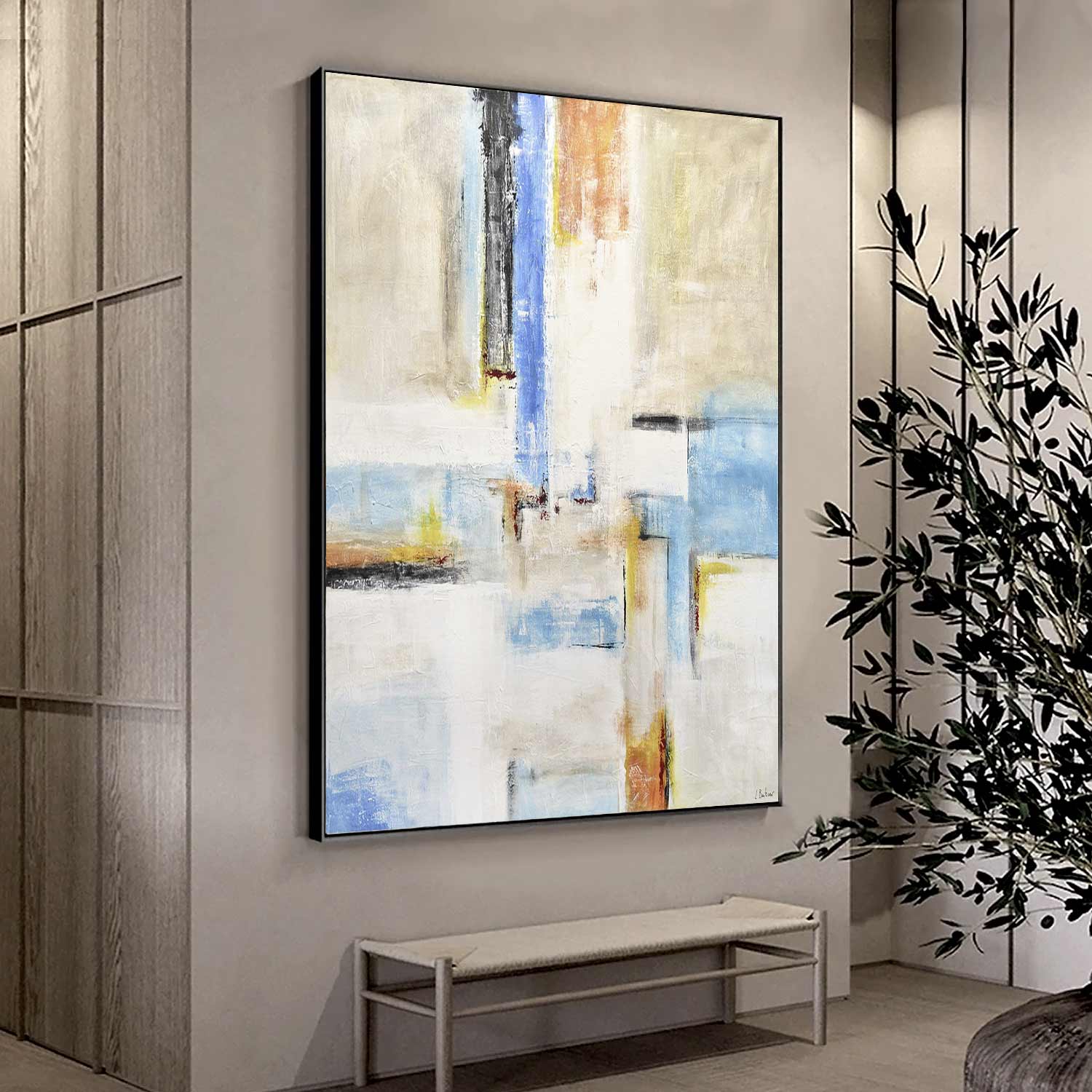
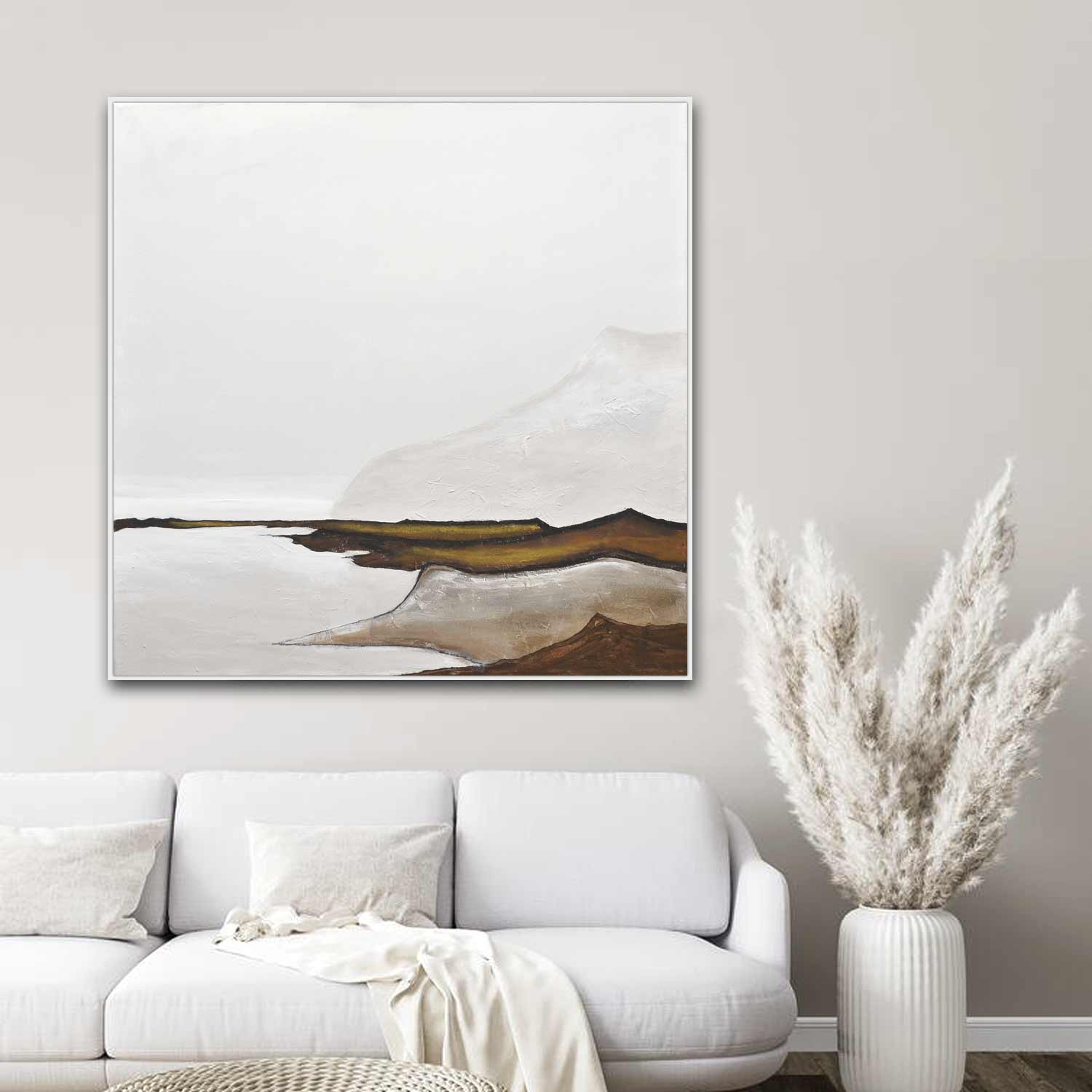
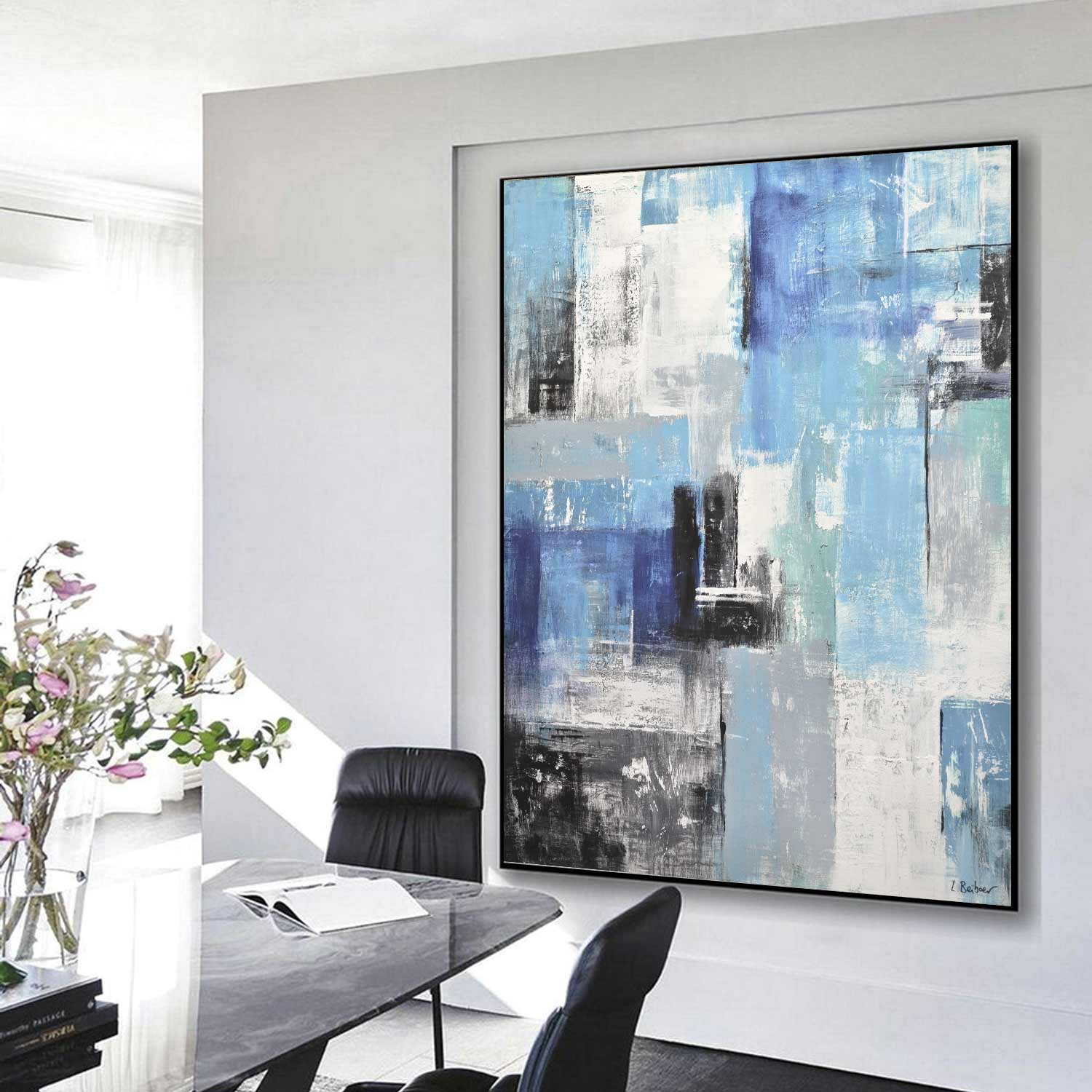
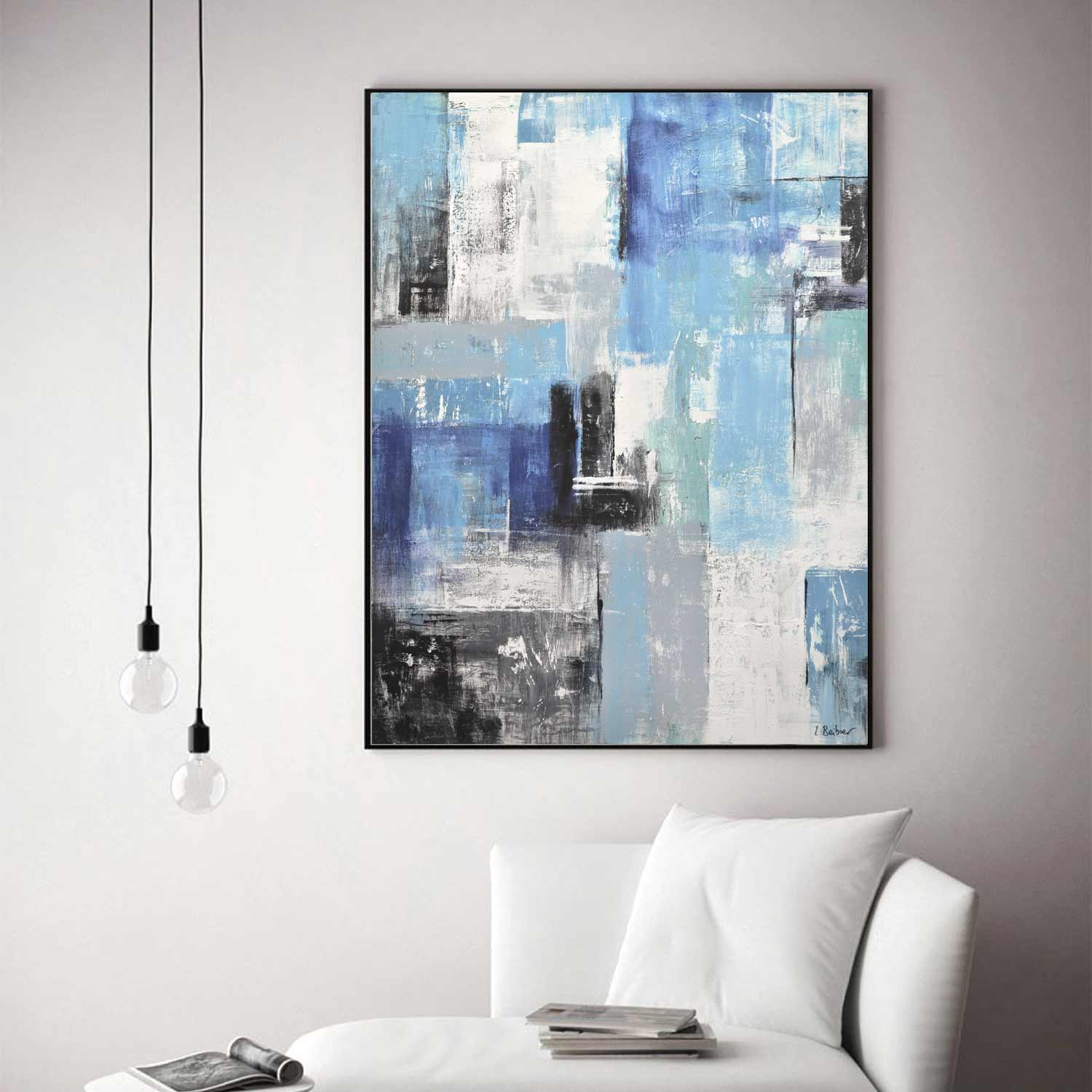
Calmer abstract paintings often work well here. Soft blues, neutrals, muted earth tones, black and white pieces and landscape-inspired abstracts can help the room feel more considered while still keeping the atmosphere focused.
If your conference room is used for video calls, placing artwork on the wall behind the main seating area can also make the room look more polished on camera.
Executive Office Paintings
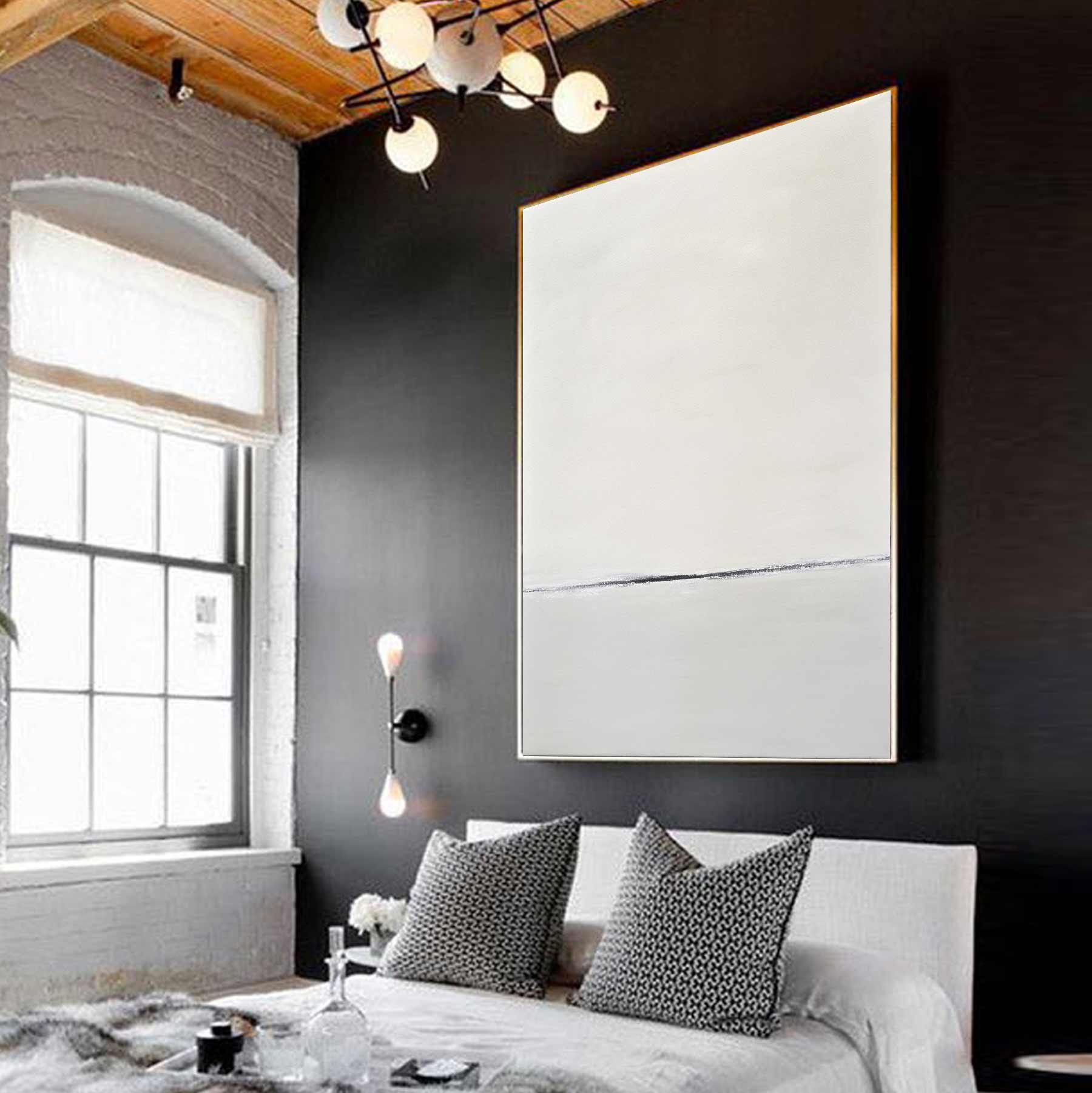
An executive office can usually handle artwork with more presence. This is a good place for larger paintings, deeper tones or a piece that feels more personal and substantial.
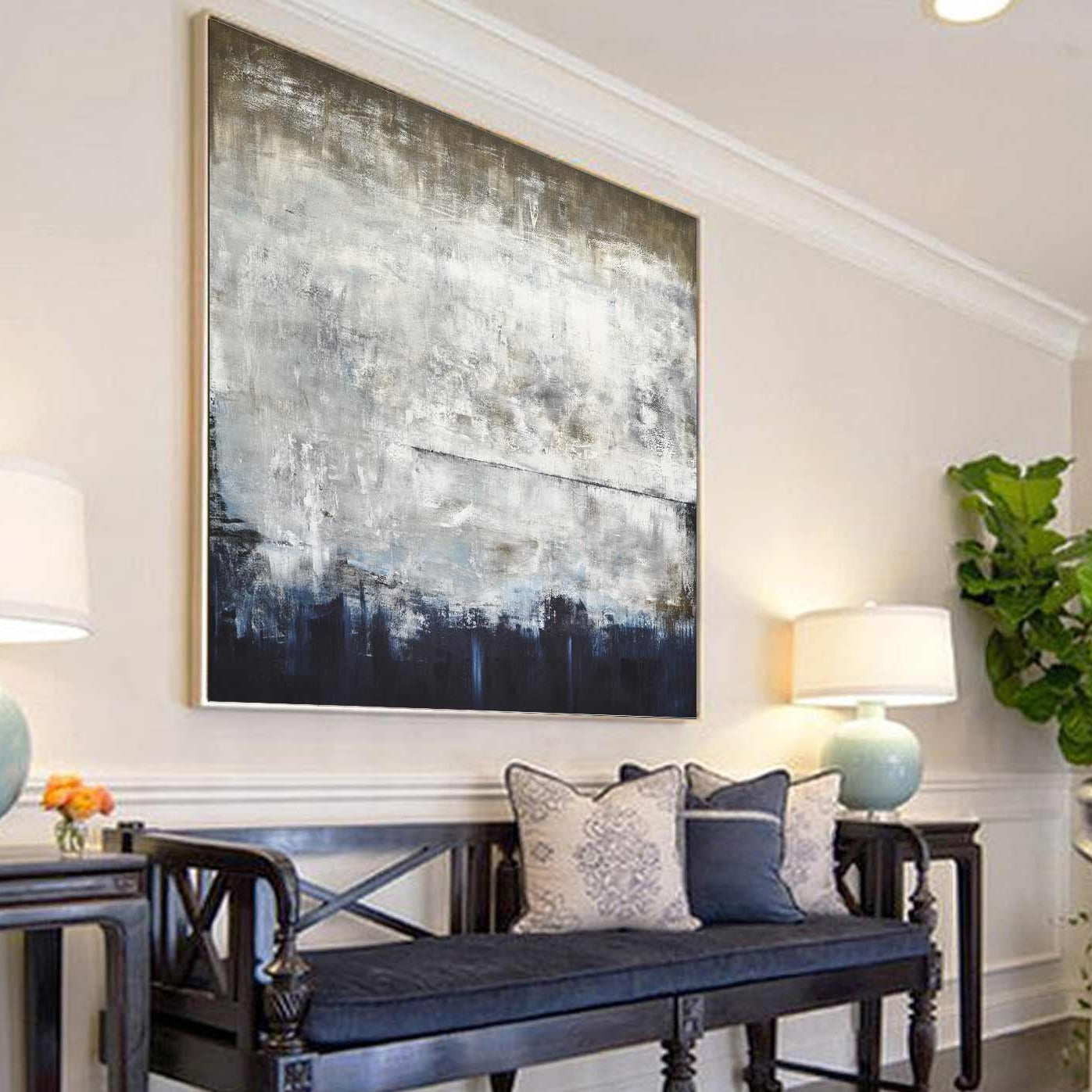
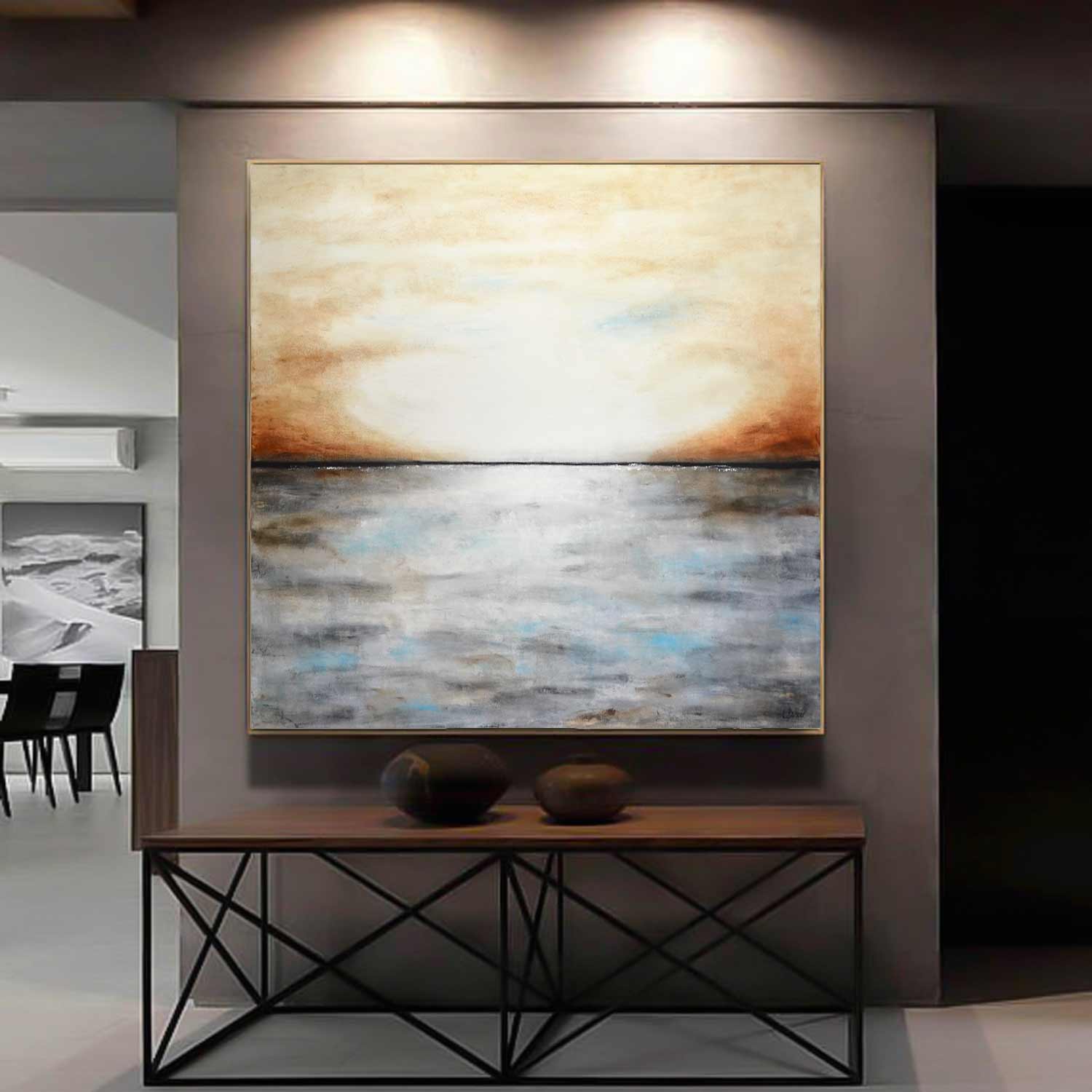
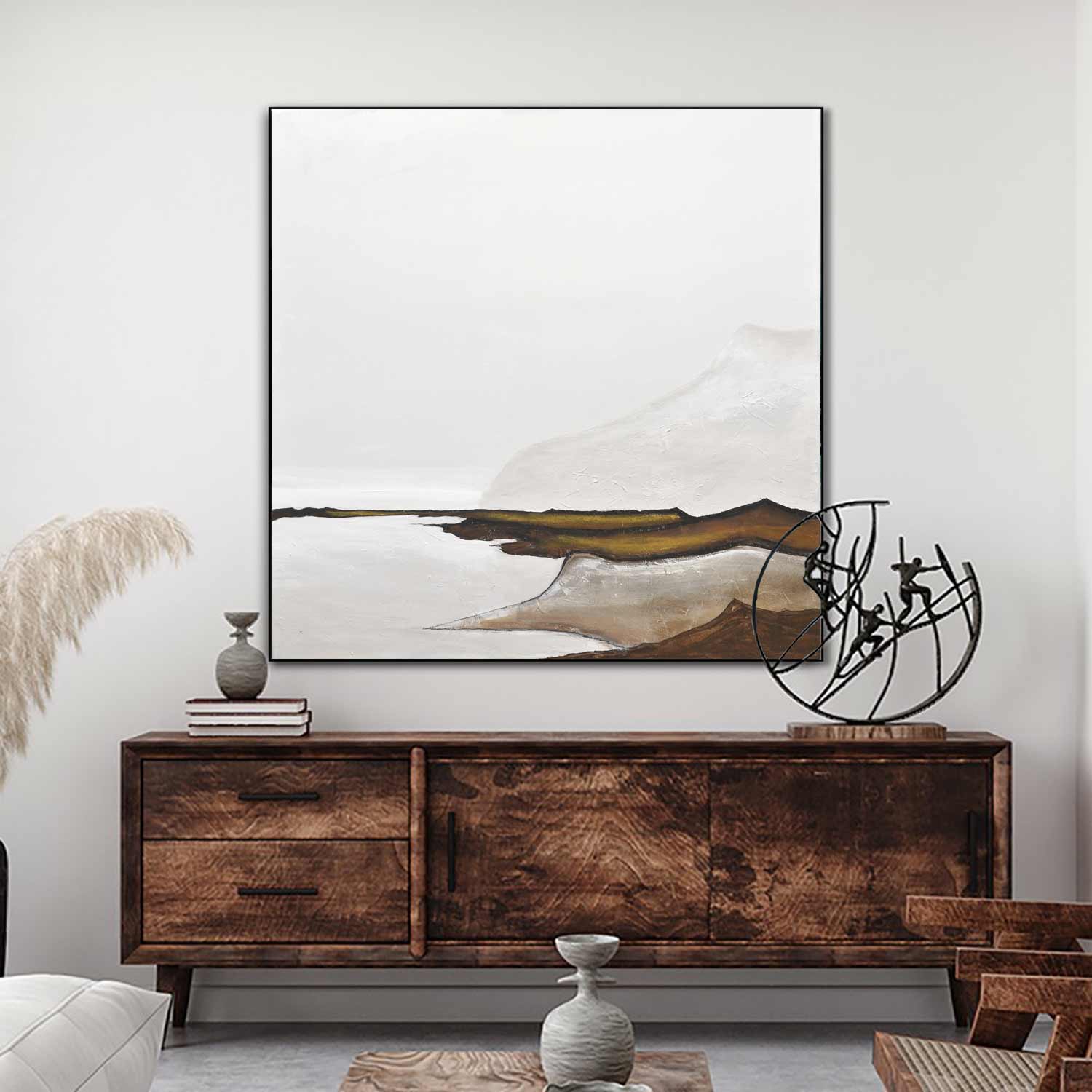
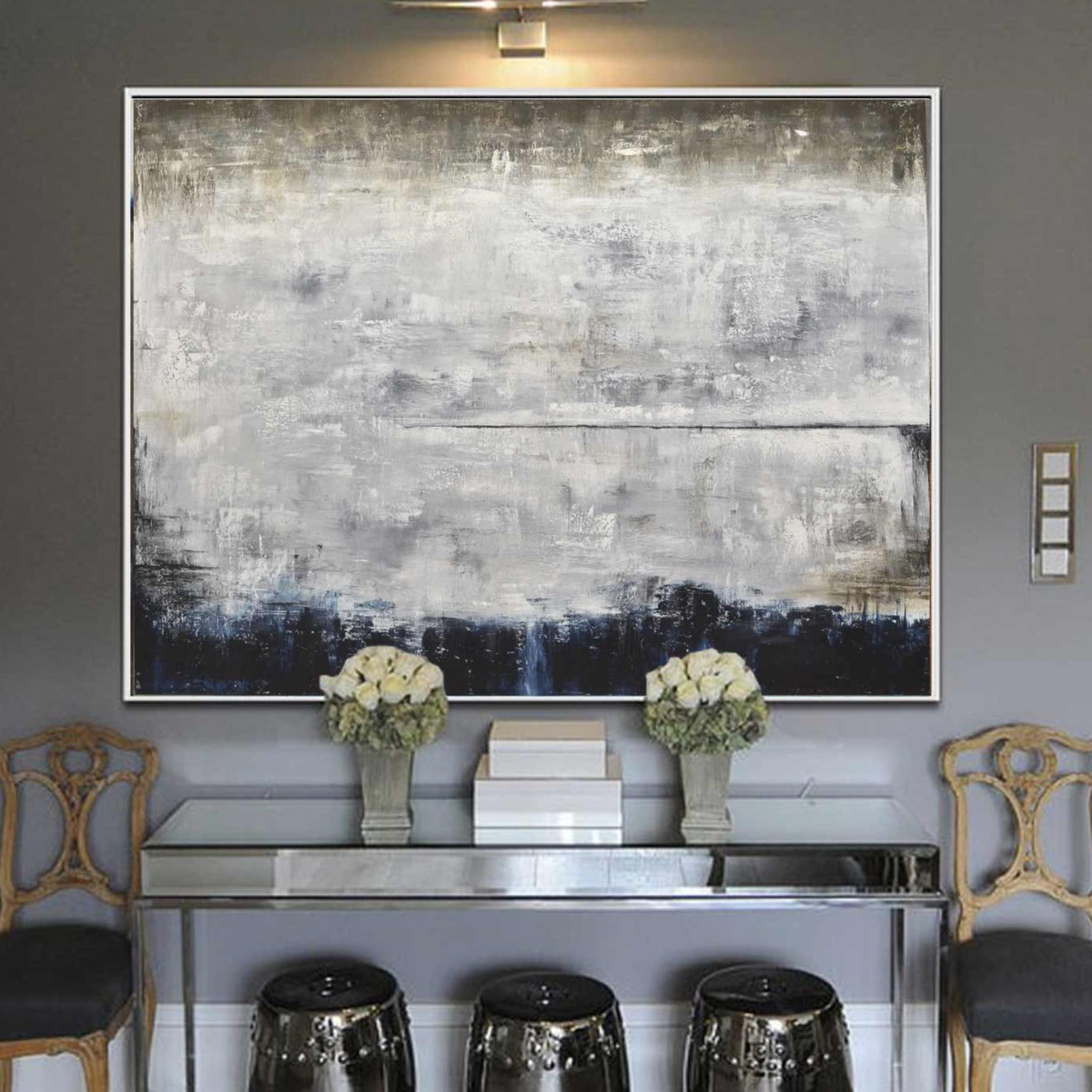
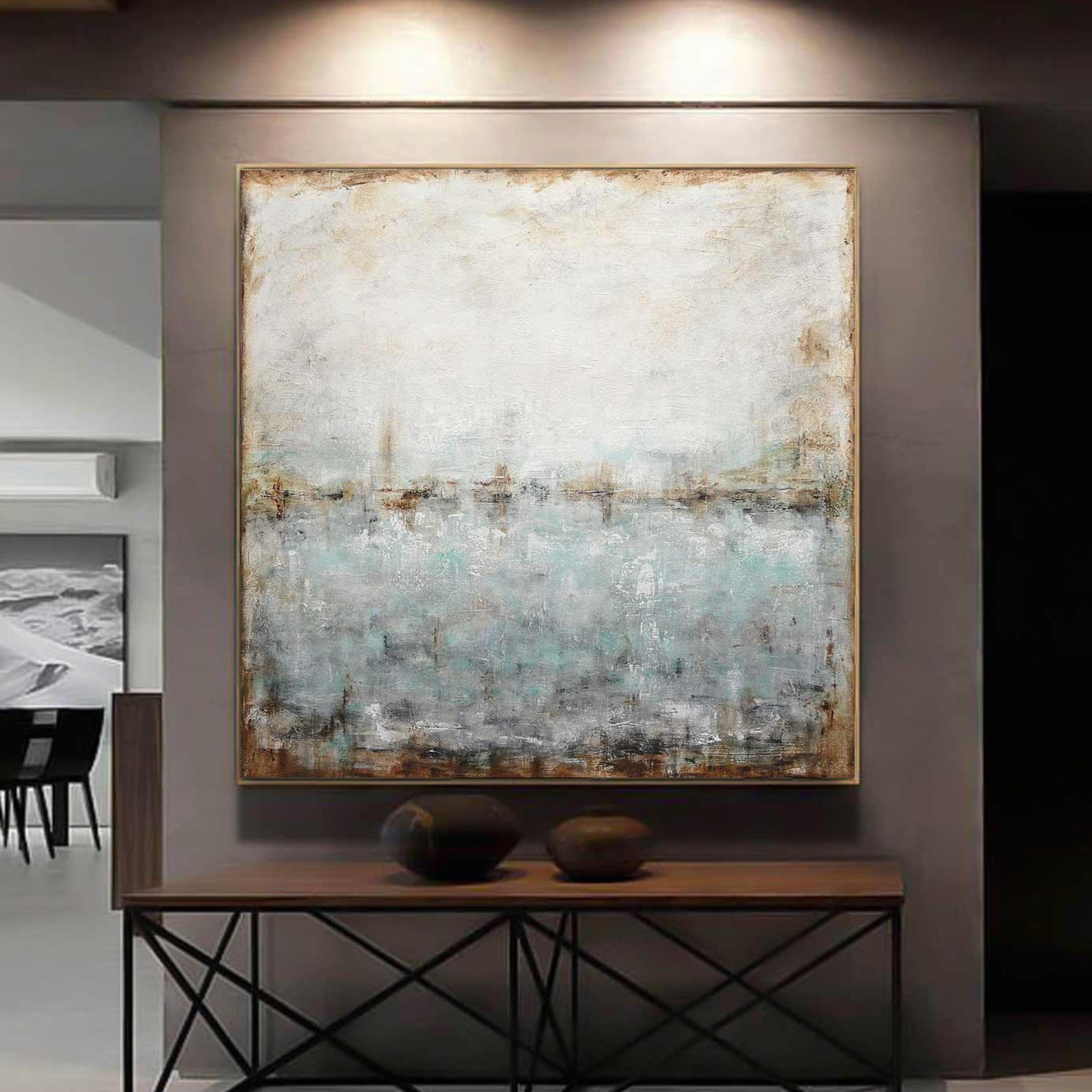
Artwork behind a desk, above a credenza or on the main wall visitors see when entering can help the space feel confident and finished. Large abstract paintings, darker neutral pieces, navy tones, charcoal, warm beige and subtle gold accents can all work well in executive offices.
The art should feel strong, but not crowded. The best office paintings add character while still allowing the room to feel professional.
Private Office Art
Private offices often benefit from artwork that feels calm, balanced and comfortable. These spaces are used for focused work, phone calls, planning and daily tasks, so the artwork should support the room without overwhelming it.
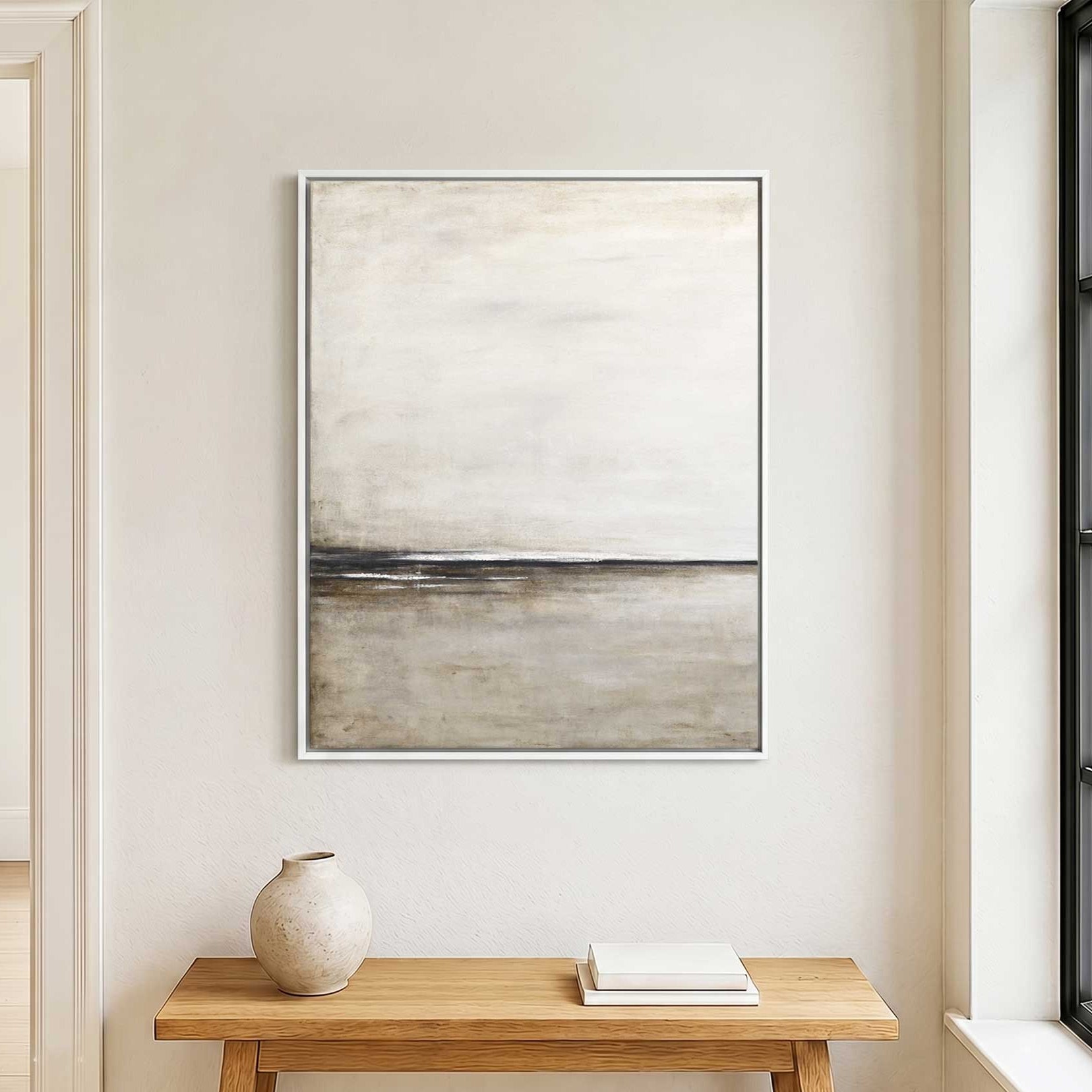
A medium-sized painting above a desk, beside a bookshelf or above a small seating area can make the office feel more complete. Softer abstract paintings, muted landscape-inspired pieces and neutral artwork are good choices for private offices.
Hallways and Corridors
Hallways are often overlooked, but they are important transitional spaces. A long blank hallway can make an office feel cold or unfinished. Artwork can add rhythm and make the space feel more intentional.
For hallways, a series of related paintings can work well. You can also use vertical paintings between doors or horizontal pieces along longer wall sections. The goal is to create movement without making the hallway feel cluttered.
Employee Lounges and Break Rooms
Employee lounges, break rooms and casual seating areas can feel warmer and more relaxed than formal office spaces. This is a good place for artwork with softer color, organic movement or a more inviting feeling.
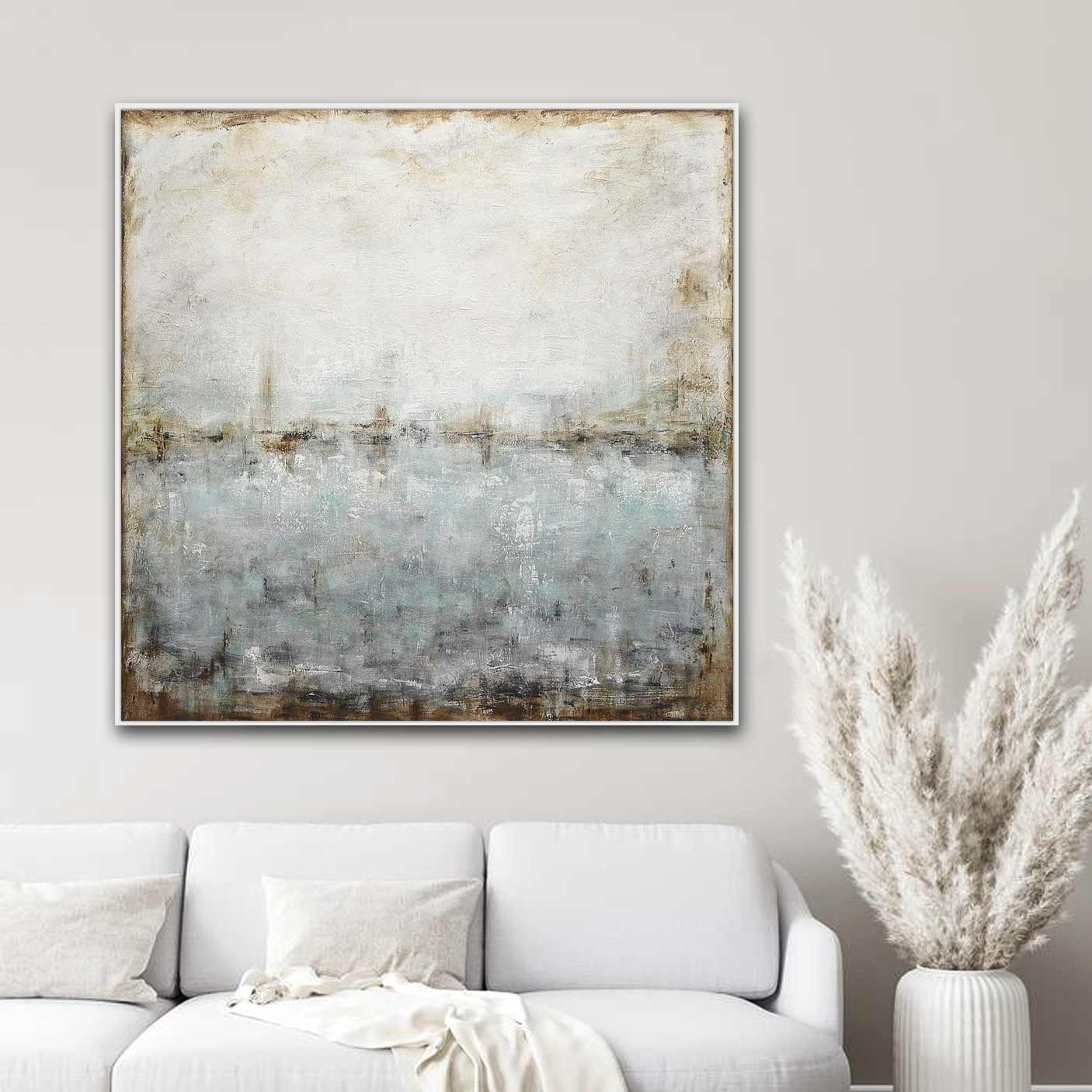
A painting above a sofa, dining table or lounge seating area can make the space feel more human. Warmer neutrals, earth tones, soft abstract shapes and calming color palettes are often a good fit.
Large Office Wall Art and Sizing
One of the most common mistakes when choosing office art is selecting pieces that are too small for the wall.
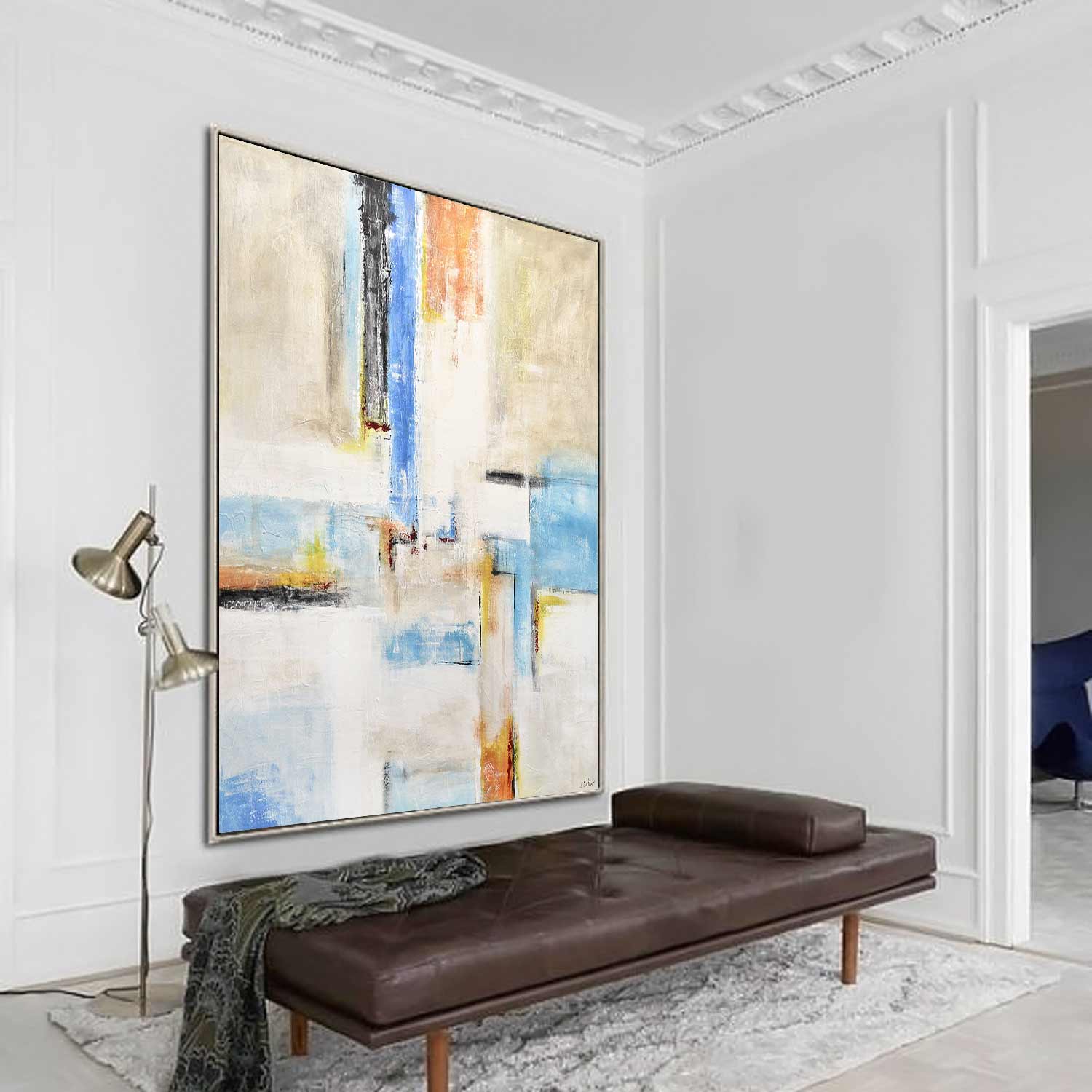
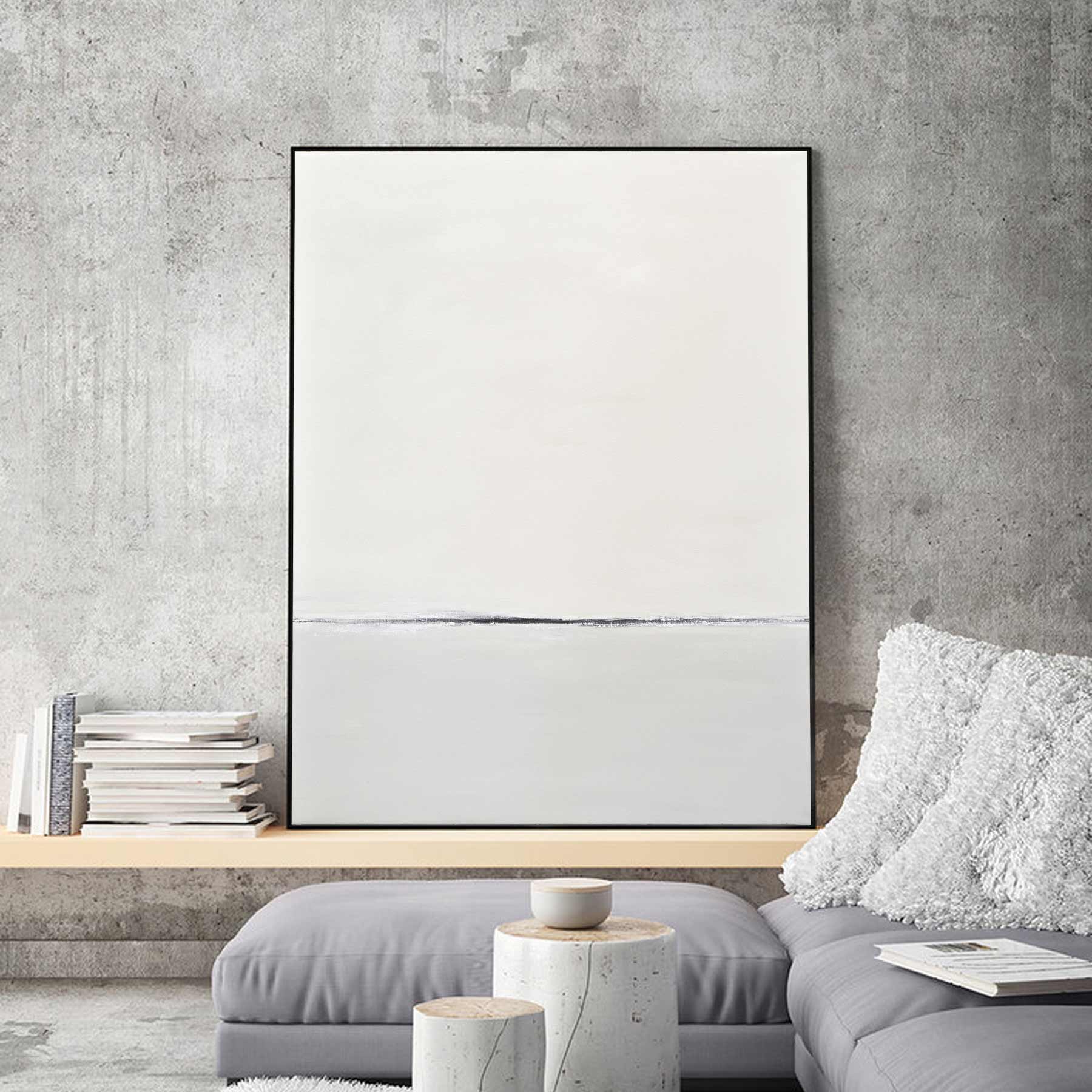
Large office walls usually need larger artwork. A small painting on a large wall can look disconnected, even if the piece itself is beautiful. For reception areas, conference rooms and open workspaces, it is often better to choose one strong oversized painting rather than several small pieces that feel scattered.
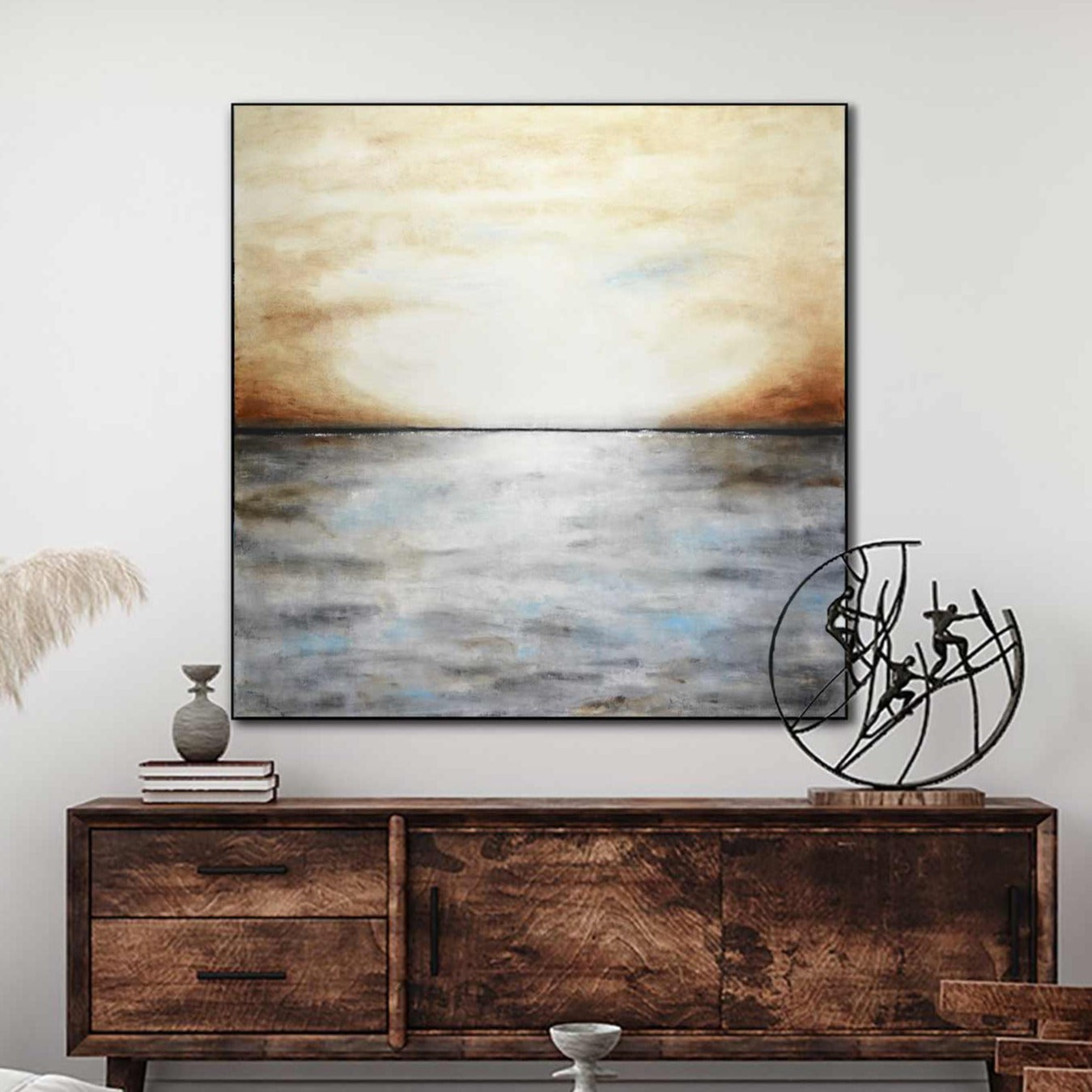
As a general rule, the artwork should feel connected to the furniture or wall around it. A painting above a sofa, console, reception desk or conference room credenza should usually be wide enough to hold the space visually.
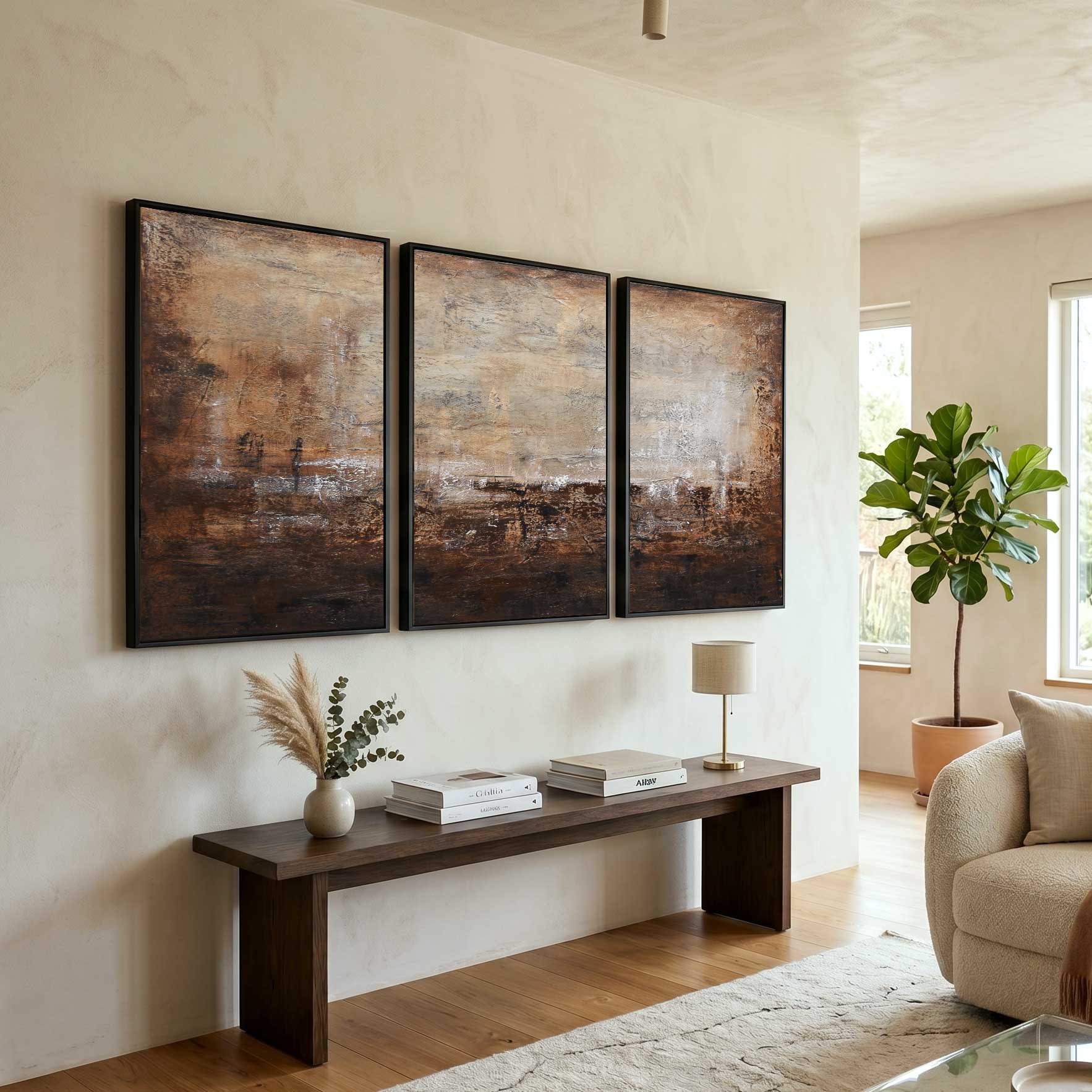
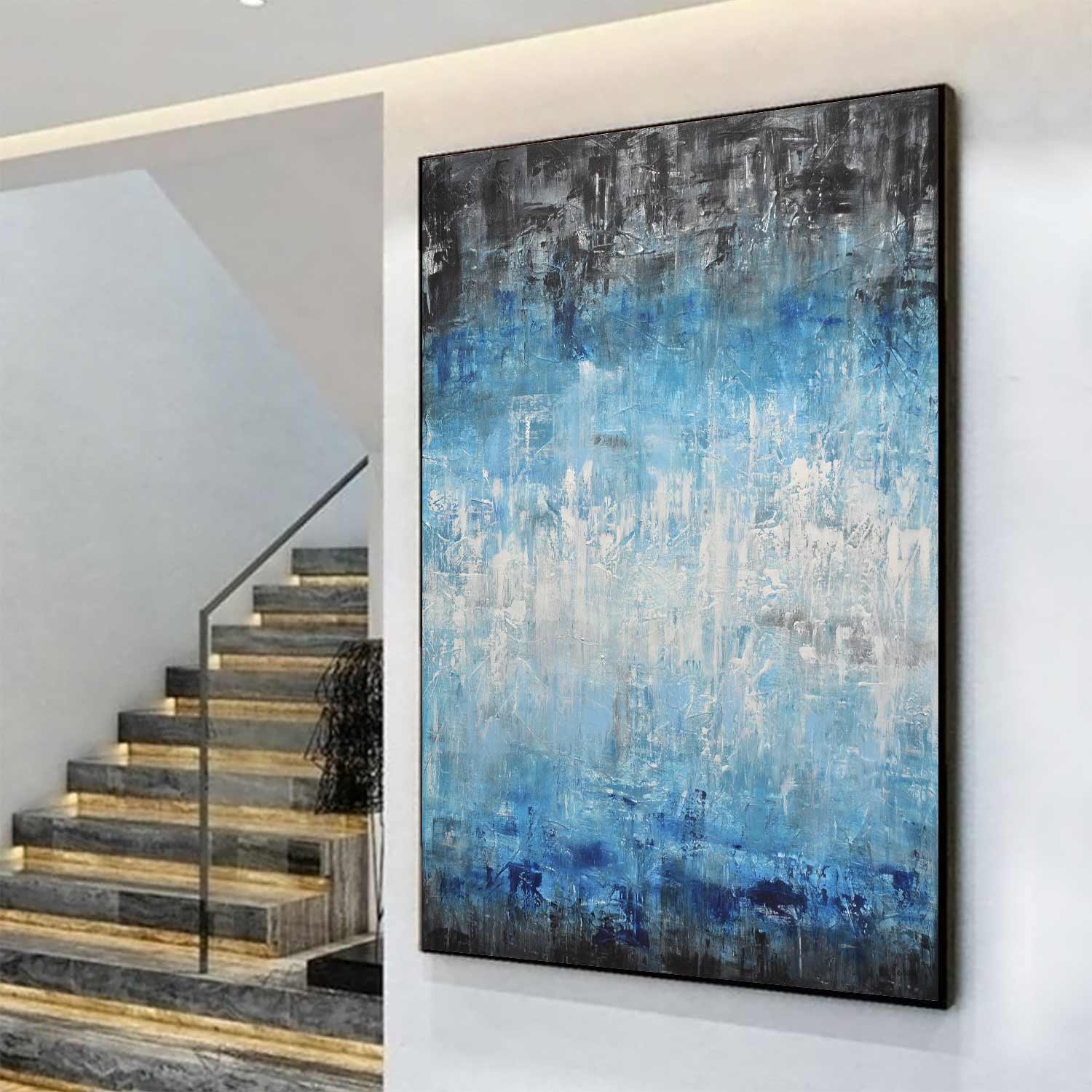
For very wide walls, horizontal paintings, diptychs and triptychs can be especially effective. For narrow wall sections, vertical paintings can help add height and balance.
Choosing Colors for Office Paintings
Color affects how an office feels.
Neutral paintings can make a space feel calm and timeless. Blue tones often feel clean and professional. Black and white artwork can feel modern, confident and refined. Earth tones can add warmth, especially in offices with a lot of glass, concrete, white walls or modern furniture.
The artwork does not need to match your company colors exactly. In most cases, it is better for the art to complement the office design rather than copy the brand palette too literally.
A good office painting should stand out enough to be noticed, but still feel like it belongs in the room.
Creating a Cohesive Office Art Plan
If you are choosing artwork for several office spaces, think about the overall feeling of the workplace.
The paintings do not all need to match, but they should feel connected. You can create that connection through color, style, scale, framing or mood.
For example, you might choose a large statement painting for the lobby, calmer artwork for conference rooms and a related series of pieces for hallways. This makes the office feel designed instead of decorated one wall at a time.
Start with the most visible areas first: the lobby, reception area, conference room and client-facing spaces. Then build from there.
Office Art Ideas and Guides
Looking for more help choosing artwork for your workplace? These guides offer practical tips for selecting office paintings by space, purpose and overall feeling.
Why Office Art Matters for Employee Experience and Return to Office
Learn how office art can make the workplace feel more welcoming, human and worth returning to. This guide explains why artwork matters for employee experience, client impressions and the overall feeling of a professional space.
How to Choose Art for Office Walls by Space Type
A practical room-by-room guide to choosing artwork for office lobbies, conference rooms, executive offices, private offices, hallways, waiting areas and employee lounges.
How to Choose the Right Size Artwork for an Office Wall
Choosing the right size artwork can make an office feel balanced, polished and complete. Learn how to measure your walls and select paintings for reception areas, conference rooms, executive offices, hallways and other professional spaces.
Frequently Asked Questions About Office Paintings
What type of art is best for an office?
Abstract paintings are often a strong choice for offices because they add visual interest without being too specific or distracting. Large abstract paintings, neutral artwork, black and white paintings, earth tone pieces and calm landscape-inspired artwork can all work well in professional spaces.
What size painting should I choose for an office wall?
The right size depends on the wall, furniture and room. Larger office walls usually need larger artwork. For reception areas, conference rooms and open spaces, one oversized painting, a diptych or a triptych often looks better than a small piece that feels undersized.
Is abstract art good for corporate offices?
Yes. Abstract art works well in corporate offices because it can feel modern, professional and visually interesting without being too literal. It can support the feeling of the space while still allowing clients, employees and visitors to interpret the artwork in their own way.
Where should companies place office art first?
Start with the areas people see most often. Good places include the reception area, lobby, conference room, waiting area, executive office and main hallway. These spaces have the biggest effect on first impressions and the overall experience of the office.
Should office art match company colors?
Office art does not need to match company colors exactly. It usually looks more refined when the artwork complements the brand colors, furniture and interior design rather than copying the logo colors too directly.
Can office paintings be made to order?
Many office spaces need artwork in a specific size, color palette or orientation. Made-to-order paintings can be a good option when you want a piece that fits a particular wall, room or design plan.
Are large paintings better for office lobbies?
Large paintings often work very well in office lobbies because they create a clear focal point and help the space feel finished. A strong piece of art can make a reception area feel more welcoming, professional and memorable.