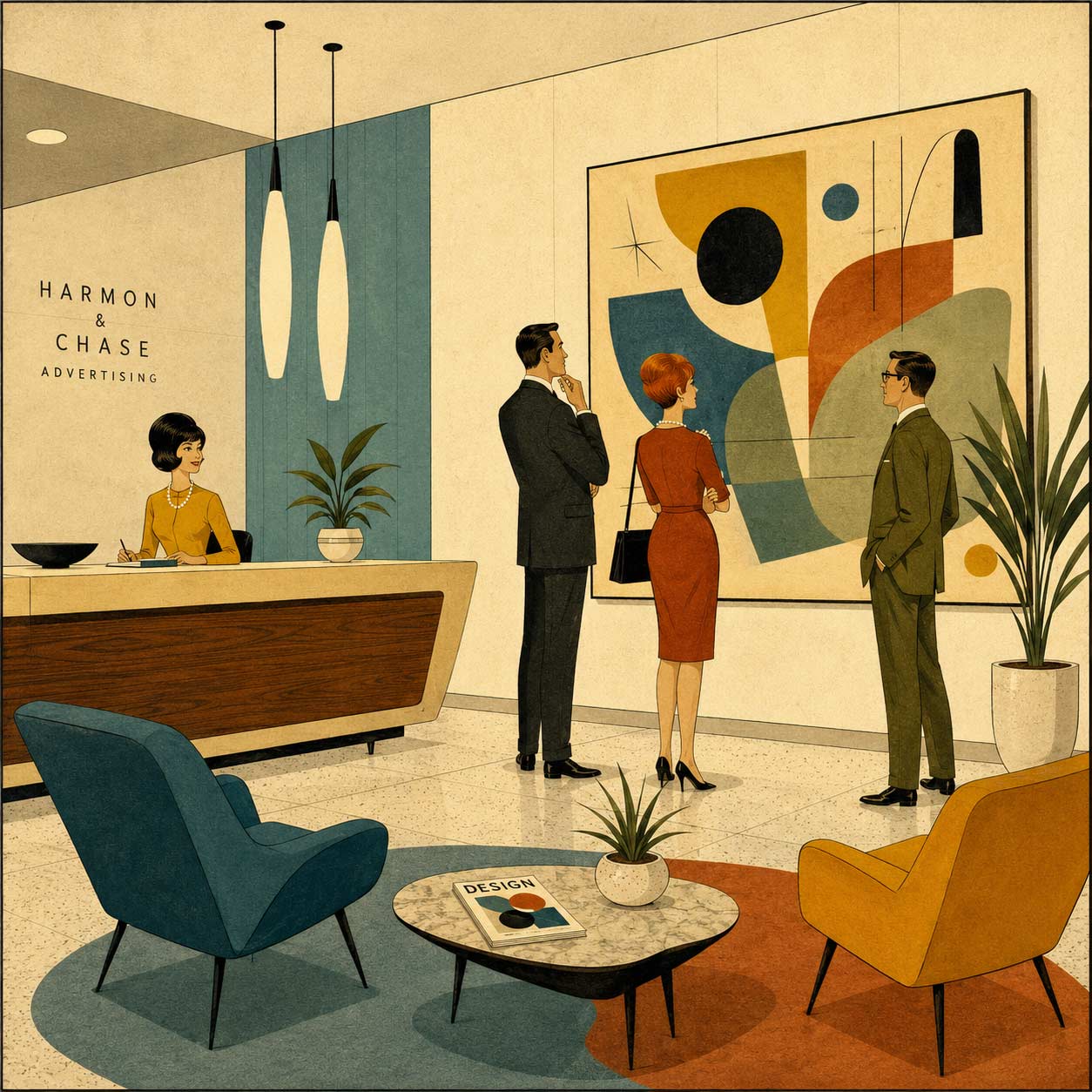

The office has changed. It is no longer enough for a workplace to provide desks, meeting rooms and reliable Wi-Fi. If companies want people to come in, the space needs to feel worth the trip.
That is where office art can make a real difference.
Art affects how a workplace feels the moment someone walks in. It shapes first impressions, supports company culture and gives employees something more human than blank walls and computer screens.
The Office Has to Earn the Commute
For many employees, going into the office now requires a stronger reason than it did years ago. People have experienced the convenience of working from home. They know what it feels like to avoid traffic, skip the commute and work in a space that feels personal.
Because of that, companies are under more pressure to make the office feel intentional.
A plain office may still function, but it does not inspire much loyalty. It can feel temporary, cold or unfinished. Employees may come in because they have to, but the space itself does little to help them feel connected.
A thoughtful office feels different. It shows that the company cares about the environment people work in. It suggests that the workplace is not just a place to sit, but a place to gather, think, meet clients and collaborate.
Office art helps create that feeling.
A large abstract painting in a reception area, a calming piece in a meeting room or a bold statement painting near a collaboration space can change the tone of an entire room. The space immediately feels more considered.
That matters because employees notice when an office feels alive. They also notice when it feels ignored.
Art Makes the Workplace Feel Human
Most offices are built from practical materials. Glass, drywall, metal, carpet, desks, screens and conference tables all serve a purpose. But by themselves, they can feel impersonal.
Art adds the human element.
A painting brings texture, movement and personality into a room. Even in a sleek modern office, art can soften the space and make it feel less mechanical.
The point is not to decorate every wall. The point is to use art in the right places so the workplace feels more balanced.
An office without art can feel like it was built for tasks. An office with thoughtful art feels like it was designed for people.
Employee Experience Starts with the Physical Space
Employee experience is often discussed in terms of benefits, management, culture or flexibility. Those things matter. But the physical workplace also sends a message every day.
When employees walk into an office, they quickly sense whether the space feels welcoming, stressful, inspiring or forgettable.
The artwork on the walls contributes to that feeling.
A cold hallway with blank walls can make the office feel unfinished. A reception area with generic prints may feel safe, but not memorable. A conference room with nothing but a whiteboard can feel purely transactional.
On the other hand, a well-placed painting can create a moment of pause. It can make a hallway feel curated, a lobby feel more impressive or a meeting room feel more relaxed.
Those details influence how people experience the workplace. They may not always talk about the art directly, but they feel the effect of the space.
This is why office art should be considered part of workplace design, not just decoration.

Art Can Support Return to Office Without Feeling Forced
Many companies are still trying to find the right balance with return to office. Some have formal policies. Others are encouraging people to come in more often without making the office feel rigid.
In both cases, the physical space matters.
If a company asks employees to come back to an office that looks exactly the same as it did before, the message can feel flat. Employees may wonder what has changed or why the office matters now.
Art is one way to refresh the environment without rebuilding the entire workplace.
A new art program can make the office feel renewed. It can bring energy to common areas, make meeting spaces more pleasant and give employees a reason to see the office as a place with atmosphere and identity.
This does not need to be complicated. A company may begin with a few high-impact areas, such as the entrance, conference rooms, executive offices, main hallway or employee lounge.
The goal is not to bribe people back with decor. The goal is to create a workplace that feels more complete, more thoughtful and more worth using.
Office Art Helps Communicate Company Culture
Every company has a visual identity, whether it manages that identity or not.
A blank, sterile office says one thing. A warm, carefully designed office says another. A lobby with oversized original art sends a very different message than a lobby with generic stock prints.
Artwork can help communicate who a company is.
A technology company may want abstract paintings that feel modern, clean and forward-looking. A law firm may prefer work that feels refined, calm and confident. A wellness brand may lean toward softer colors, organic movement and natural tones. A creative agency may choose bolder pieces that show imagination and risk.
The right artwork does not need to be literal. It does not have to show a product, logo or slogan. In many cases, abstract art is more effective because it can suggest energy, sophistication, calm, movement or ambition without becoming too obvious.
Good office art gives the company a visual language without turning the office into an advertisement.

First Impressions Matter for Clients and Visitors
Office art does not only affect employees. It also shapes how clients, partners and visitors experience the company.
The reception area is especially important.
When someone walks into an office, they form an impression before the first meeting begins. They notice the scale of the room, the lighting, the furniture and the walls. If the space feels polished, they feel that the company pays attention to details.
A strong painting behind a reception desk or in a lobby can create immediate presence. It can make the company feel established, confident and design-aware.
This is especially valuable for firms that host clients, investors, patients, tenants or high-value prospects. The office becomes part of the brand experience.
A well-chosen piece of art can also become a conversation starter. It gives visitors something to remember, especially in industries where many offices look nearly identical.
Different Spaces Need Different Artwork
Not every area of the office should feel the same. A productive workplace has different zones with different purposes.
The artwork should support those differences.
A reception area may need a large statement piece that feels impressive and polished. A conference room may benefit from artwork that is calming, balanced and not too distracting. An executive office may call for a piece with quiet strength. A creative collaboration area may handle more color, contrast or movement.
Hallways are often overlooked, but they are useful places for art. They connect different parts of the office and can make the workplace feel more finished. A long corridor with nothing on the walls often feels institutional. A hallway with large paintings or a curated series feels more intentional.
The best office art plan considers how people use each area. It does not treat every wall as the same opportunity.
Scale and Color Matter
One common mistake companies make is choosing artwork that is too small.
Small pieces can disappear in commercial spaces. Office walls are often wider, taller and more open than residential walls. A painting that feels large in a home may look modest in a lobby or conference room.
Large artwork creates confidence. It gives the eye a clear focal point and helps balance furniture, high ceilings and open floor plans.
Color is just as important.
Soft neutrals, whites, warm earth tones and muted blues can make a room feel calm and refined. Black and white artwork can feel clean, architectural and confident. Brighter colors can bring energy to creative or social areas.
The art does not need to match brand colors exactly. It should complement the overall palette and mood.
Good office art works with the room, not against it.
title: "Alive"
Avoid Choosing Art Only to Fill Empty Walls
The weakest office art decisions usually start with one question: “What can we put on this wall?”
A better question is: “What should this space feel like?”
That question changes the decision. It forces the company to think about mood, purpose, scale and audience. Is the room meant to impress clients? Help employees focus? Make visitors feel welcome? Encourage conversation? Create calm before a meeting?
Once the purpose is clear, choosing art becomes easier.
A strong office art plan should consider which areas have the most visibility, which spaces feel cold or unfinished and where employees and clients spend the most time. It should also consider size, style, color and how the artwork connects to the overall design of the office.
These questions help avoid random artwork and create a more cohesive workplace.
How Elevate Art Gallery Helps Companies Choose Office Art
At Elevate Art Gallery, we create and curate large original abstract paintings for modern interiors, including offices, reception areas, conference rooms and executive spaces.
Many office buyers are not looking for something generic. They want artwork that feels elevated, professional and appropriate for the space. They may need a specific size, color direction or style to work with an existing design plan.
That is where original and made-to-order paintings can be helpful.
A company can choose from available work or request a similar piece in a different size or palette. This makes it easier to create a polished look without settling for artwork that almost works but does not fully fit the room.
If you are updating an office, furnishing a new location or looking for artwork that makes a workplace feel more complete, start with the areas that matter most: the entrance, meeting rooms, client-facing spaces and high-traffic walls.
Final Thoughts
Office art will not solve every return-to-office challenge. It will not replace good leadership, flexibility or a healthy culture.
But it can improve the environment where that culture is experienced.
A thoughtful office gives employees a better place to gather, gives visitors a stronger first impression and gives the company a visual identity people can see and feel.
For businesses trying to make the office more welcoming, more memorable and more aligned with the way people work now, art matters.
FAQs
What are the benefits of art in the workplace?
Art can make a workplace feel more welcoming, polished and human. It can improve first impressions, support company culture and make offices feel less cold or generic.
Does office art improve employee experience?
Office art can support employee experience by making the physical workplace feel more thoughtful and enjoyable. Visual details such as color, scale, texture and atmosphere can influence how the space feels day to day.
What kind of art is best for an office?
The best art for an office depends on the room and the company. Abstract paintings, minimalist artwork, black and white pieces and large contemporary paintings often work well.
Can artwork help with return to office?
Artwork can help make the office feel more inviting and worth returning to. It can refresh the environment, improve shared spaces and make employees feel that the office has been thoughtfully updated.
Where should companies place office art first?
Companies should usually start with high-impact areas such as the reception area, conference rooms, executive offices, main hallways and employee lounge spaces.