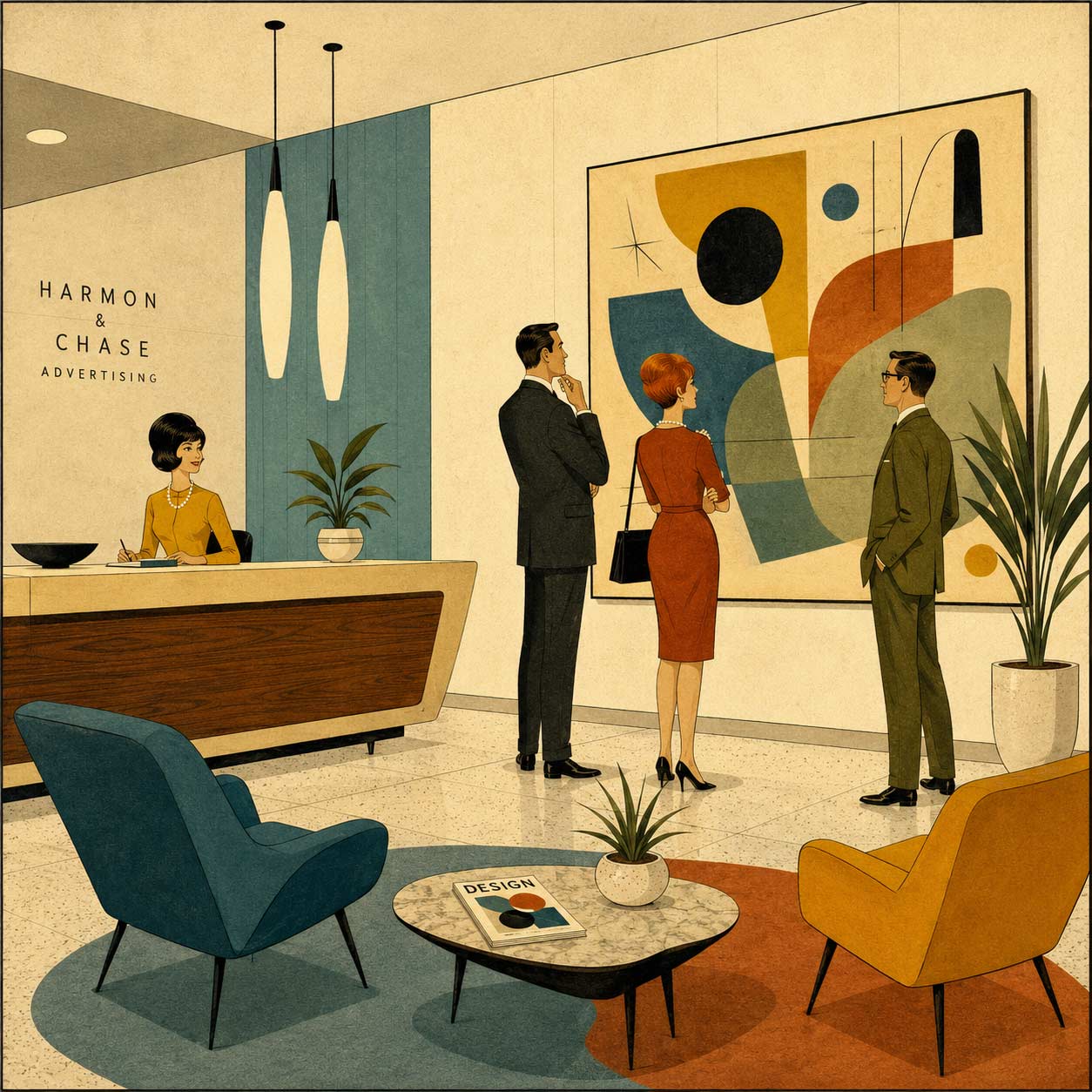

Choosing artwork for an office is not only about finding the right colors or style. The size of the painting has a major effect on how it looks in the room. Artwork that is too small can feel lost on a large wall while artwork that is too large can make the space feel crowded.
The right size creates balance and gives the artwork the presence it deserves. Whether you are decorating a reception area, conference room, executive office or hallway, a few basic measurements can help you make a confident choice.
Start by Measuring the Available Wall Space
Before choosing a painting, measure the height and width of the wall. Do not base the decision on the overall wall dimensions alone. You need to identify the part of the wall that is actually available for artwork.
Windows, doors, light switches, wall signs and furniture can all reduce the usable space. Measure the clear area where the painting will hang and make a note of any nearby features that may affect its placement.
It can be helpful to mark the proposed artwork dimensions on the wall with painter’s tape. This gives you a much better sense of scale than simply imagining the measurements. View the outline from several positions in the room, including the entrance and the main seating areas.
For commercial spaces, consider how the artwork will look from farther away. A painting that appears large when viewed up close may look much smaller from across a reception area or conference room.

title: "In a Life"
Use the Wall as Your Starting Point
When artwork will hang on an open wall without furniture beneath it, its size should relate to the available wall space.
As a general starting point, the artwork can fill approximately two-thirds to three-quarters of the usable wall width. This is not a strict rule, but it can prevent a large wall from being paired with a painting that is too small.
For example, if the usable portion of the wall is 10 feet wide, artwork measuring approximately 6 to 7.5 feet across may create a balanced look. This could be one large horizontal painting, a diptych or a triptych.
You do not always need to fill every part of the wall. Some offices benefit from more open space, especially when the interior has a clean or minimalist design. However, the painting should still appear intentionally chosen for the wall rather than looking like a small piece placed in the middle of a large empty area.
Wall height also matters. Offices with high ceilings can usually support taller or larger artwork. A standard-size painting may feel undersized in a lobby with a two-story ceiling, even when its width appears appropriate.

Choosing Artwork Above Office Furniture
When a painting will hang above a desk, credenza, sofa or reception counter, the furniture should guide the artwork size.
A useful guideline is to choose artwork that measures approximately two-thirds to three-quarters of the width of the furniture beneath it. This creates a visual connection between the painting and the furniture.
For example, a painting measuring around 48 to 60 inches wide may work well above a 72-inch credenza. A much smaller piece could look disconnected while artwork wider than the furniture may make the arrangement feel top-heavy.
The artwork does not need to match the furniture width exactly. In most cases, leaving some open space on both sides creates a more balanced composition.
You should also consider the distance between the furniture and the bottom of the artwork. Hanging the painting too high can make the two elements feel unrelated. In many office settings, leaving approximately 6 to 12 inches between the furniture and artwork is a reasonable starting point.
Always adjust this measurement based on the height of decorative objects, computer monitors or lamps placed on the furniture.

Artwork for Reception Areas and Office Lobbies
Reception areas often contain some of the largest walls in an office. They are also among the most important places for artwork because they help shape a visitor’s first impression.
Small artwork can disappear in a spacious lobby, particularly when there are high ceilings, large windows or wide seating areas. One substantial painting can create a stronger focal point and give the reception area a more finished appearance.
Horizontal artwork works especially well above reception sofas, benches and long credenzas. A panoramic painting can follow the width of the furniture and help visually anchor the seating area.
A large square painting can be effective behind a reception desk or on a prominent wall near the entrance. Vertical artwork may be a better choice for tall, narrow walls between doors or architectural features.
For an especially wide lobby wall, consider a diptych or triptych. A set of two or three paintings can cover more wall space without requiring one unusually long canvas. The separation between the pieces also adds rhythm and visual movement.

title: "Time Away"
Choosing Artwork for a Conference Room
Conference rooms usually have long tables and wide walls, making horizontal artwork a natural fit. The artwork should be large enough to remain visible when people are seated around the table.
A small painting centered on a long wall may feel out of proportion. One wide painting, two coordinated pieces or a triptych can better reflect the shape of the room.
Before selecting the size, consider where people will sit and what will be visible behind them during meetings or video calls. Artwork placed on the wall behind the head of the table may become a prominent part of the room’s visual identity.
Make sure the painting does not interfere with presentation screens, whiteboards or video-conferencing equipment. If the primary wall is already occupied, artwork can be placed on a side wall where it adds interest without competing with functional elements.
Conference-room artwork should feel noticeable without becoming distracting. A large abstract painting with a balanced composition can provide color and character while still maintaining a professional atmosphere.

Artwork for Executive and Private Offices
Artwork in an executive office is often displayed behind a desk, above a credenza or across from the main seating area.
For artwork behind a desk, consider how much of the painting will remain visible when someone is seated. A very small piece may be almost completely hidden while an appropriately sized painting can provide a strong background.
Horizontal paintings generally work well behind wide desks and credenzas. Square artwork can suit a centered wall while vertical paintings are useful for narrower sections beside bookshelves or windows.
Private offices are often smaller than executive offices, but the artwork should not automatically be small. One medium or large painting can make a small office feel more intentional than several unrelated pieces.
Consider the viewing distance as well. Artwork seen from only a few feet away does not need to be as large as artwork viewed from across a spacious office. Texture and smaller details are also easier to appreciate at a closer distance.
Artwork for Hallways and Corridors
Office hallways require a different approach because the available walls are often long but the viewing distance is short.
A series of medium-sized paintings can work well along a corridor. Keeping the spacing and hanging height consistent creates a cohesive appearance as people move through the space.
One panoramic painting can also be effective on a long uninterrupted wall. However, make sure it does not extend too close to doorways, signs or corners.
Narrow wall sections may benefit from vertical paintings. This orientation uses the available height without making the hallway feel more confined.
Because people generally view hallway artwork while walking, clear shapes and compositions often have more impact than very small details. The artwork should be easy to notice without visually overwhelming a narrow passage.
Large Paintings Versus Sets of Artwork
One large painting creates a clear focal point and can make an office feel calmer and less cluttered. It is often a strong choice for reception areas, conference rooms and executive offices.
A diptych consists of two coordinated paintings displayed together. It can cover a wide wall while allowing a small amount of space between the pieces. This format works particularly well above long furniture or in modern office interiors.
A triptych uses three related pieces. It can fill an even wider wall and create a sense of movement across the space. Triptychs are especially useful for large conference rooms, office lobbies and corporate seating areas.
When measuring for a diptych or triptych, include the gaps between the canvases in the total width. A typical gap may be around 2 to 5 inches, depending on the size of the paintings and the desired look.
The pieces should feel connected. Very wide spacing can make a set look like separate paintings rather than one coordinated composition.

title: "Worlds Collide"
Consider the Orientation of the Wall
The proportions of the wall can help determine whether horizontal, vertical or square artwork will work best.
Horizontal paintings suit wide walls, long desks, conference tables and reception sofas. They can help the room feel broader and are often the easiest choice for large office spaces.
Vertical paintings work well on tall, narrow walls, between windows or next to doorways. They can draw the eye upward and emphasize ceiling height.
Square artwork is versatile and creates a balanced, grounded look. One large square painting can work well behind a reception desk or on a central office wall. Multiple square paintings can also be arranged in a row or grid.
The artwork orientation does not need to copy the shape of the wall perfectly, but the proportions should make sense within the available space.
Think About Viewing Distance
The farther people are from the artwork, the larger it may need to be.
In a large lobby, visitors may first see the painting from 20 or 30 feet away. A substantial piece will have enough presence to register from the entrance. In a private office, the viewing distance may be only 6 to 10 feet, so a medium-sized painting may be sufficient.
Viewing distance also affects how the composition is experienced. Large shapes, strong contrast and clear color relationships tend to remain visible from farther away. Fine details are easier to appreciate in smaller rooms where people can stand closer to the artwork.
Try to evaluate the proposed size from the position where most people will first see it. This is often more useful than standing directly in front of the wall.
Account for the Frame and Spacing
If you select a float frame, remember that it will add slightly to the overall dimensions of the painting. This difference is usually small, but it can matter when the artwork needs to fit between windows, cabinets or other fixed features.
The frame can also affect the visual weight of the piece. A black frame creates a defined border and may make the painting feel more prominent. A white or light wood frame can create a softer transition between the painting and the wall.
When hanging more than one piece, include the spacing in your measurements. The complete arrangement should be treated as one unit rather than calculating the canvas sizes separately.
For example, two 36-inch-wide paintings with a 4-inch gap create a total arrangement that is 76 inches wide.

title: "In Front of me Now"
Avoid Common Office Artwork Sizing Mistakes
The most common mistake is choosing artwork that is too small for the wall. This often happens because a painting appears large when viewed online or measured in isolation.
Always compare the dimensions with the actual wall, furniture and viewing distance. Painter’s tape or paper templates can make this much easier.
Another mistake is hanging artwork too high. In many rooms, the center of the painting should be close to average eye level. However, this guideline may need to be adjusted when the artwork hangs above furniture or in a room where most people will be seated.
Avoid placing a painting so close to a ceiling, doorway or corner that it appears crowded. Some open space around the artwork allows it to stand out.
It is also important not to overlook scale across the entire office. If several rooms are visible from one another, the paintings should feel reasonably consistent in presence, even when their exact sizes and orientations are different.
Creating a Cohesive Office Art Plan
When selecting artwork for several office areas, start with the most visible spaces. The reception area, main conference room and executive offices usually have the greatest influence on the overall impression.
Choose artwork sizes based on each wall rather than using the same canvas size throughout the building. A 36-by-48-inch painting may work beautifully in a private office but appear undersized in a large lobby.
Consistency can come from color, style, framing or subject rather than identical dimensions. You might choose a large horizontal painting for reception, a diptych for the conference room and smaller vertical pieces for the hallways while maintaining a related color palette.
Planning the office as a whole can help the artwork feel collected and intentional rather than added one wall at a time.
View Office Paintings
The right size artwork can transform an empty office wall into an intentional part of the space. Start by measuring the usable wall area, considering the nearby furniture and viewing the proposed dimensions from across the room.
Elevate Art Gallery offers original hand-painted artwork in a wide range of sizes, orientations and styles. Many paintings are also available with optional float frames, making it easier to find artwork that suits your office and the proportions of your walls.
FAQs About Choosing the Right Size Office Artwork
1. What size artwork is best for an office wall?
The best size depends on the available wall space, nearby furniture and viewing distance. As a starting point, artwork can fill approximately two-thirds to three-quarters of the usable wall width. Large reception areas and conference rooms generally require larger artwork than private offices.
2. How large should artwork be above an office desk?
Artwork above a desk often looks balanced when it measures approximately two-thirds to three-quarters of the desk’s width. A horizontal painting is usually a good fit above a wide desk. Make sure computer monitors, lamps and other objects do not block too much of the artwork.
3. How high should office artwork be hung?
The center of the artwork is often placed around average eye level. When hanging artwork above furniture, leave enough space to connect the painting visually with the furniture without making the arrangement feel crowded. Approximately 6 to 12 inches above the furniture is a useful starting point.
4. Is one large painting better than several smaller paintings?
One large painting creates a clear focal point and can give an office a clean, uncluttered appearance. Several coordinated paintings may work better on a long wall or throughout a hallway. Diptychs and triptychs offer a middle ground by combining multiple canvases into one connected composition.
5. What size artwork works best in a conference room?
Conference rooms often benefit from large horizontal paintings, diptychs or triptychs that relate to the length of the table and wall. The artwork should be visible from across the room without interfering with screens, whiteboards or video-conferencing equipment.
Learn More:
Why Office Art Matters for Employee Experience
How to Choose Art for Office Walls by Space Type