






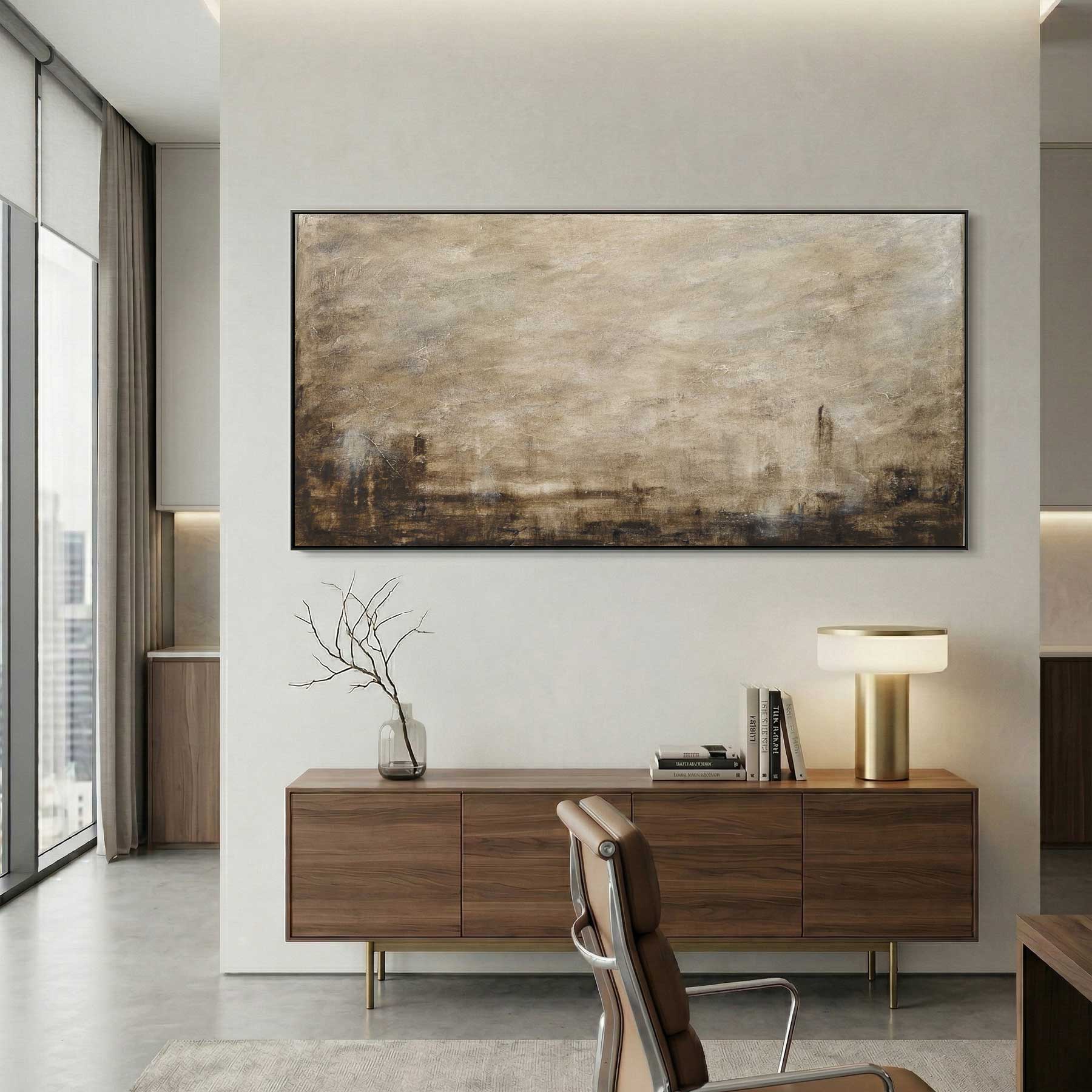
What is Wabi Sabi Art?
Wabi sabi is more than an aesthetic, it is a way of seeing the world. Originating from Japanese philosophy, wabi sabi centers on the acceptance of impermanence and imperfection. In art, this translates into pieces that feel organic, unrefined and deeply connected to nature. Rather than striving for precision or symmetry, wabi sabi paintings embrace irregularity, raw texture and subtle tonal variation. The result is artwork that feels calm, authentic, and quietly expressive.
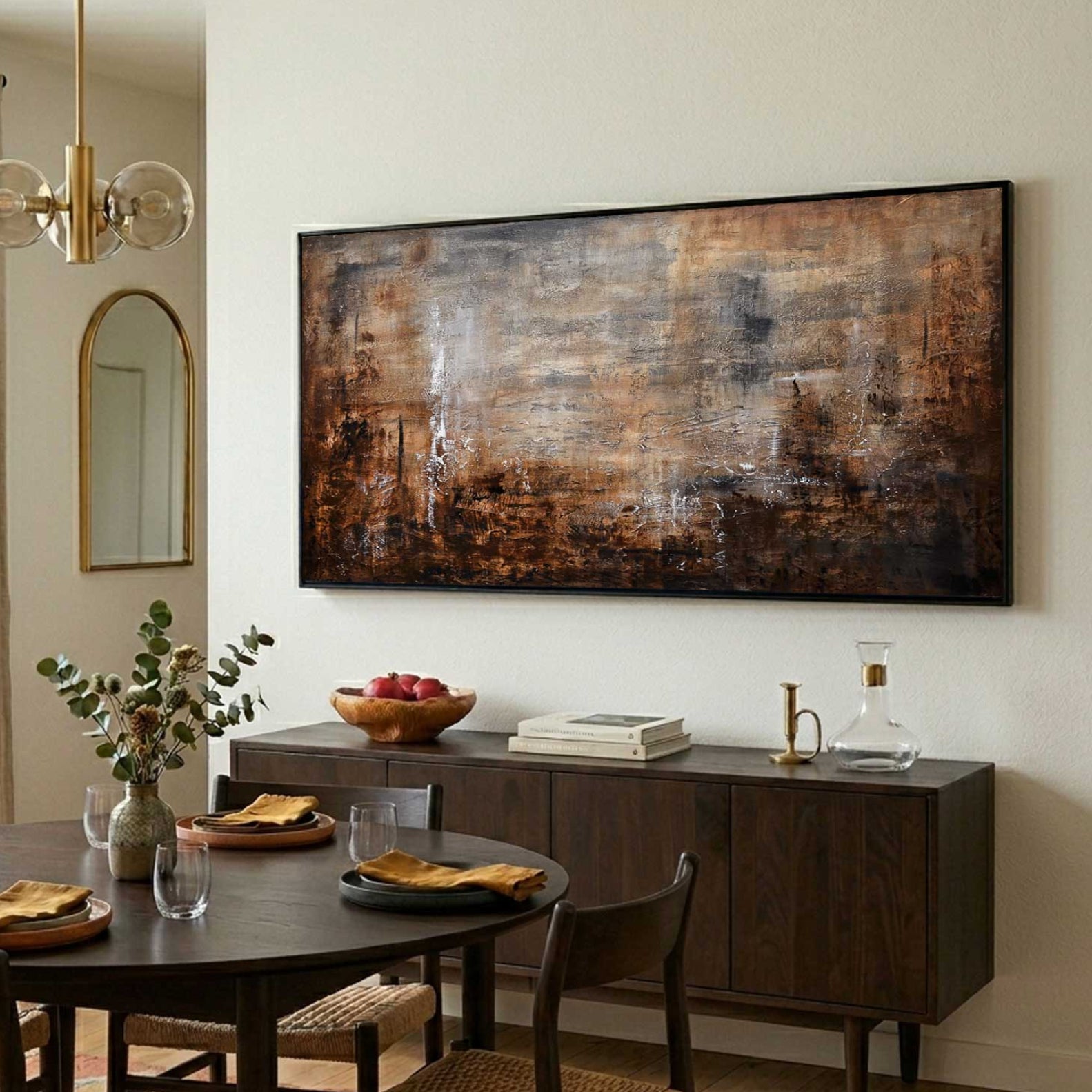
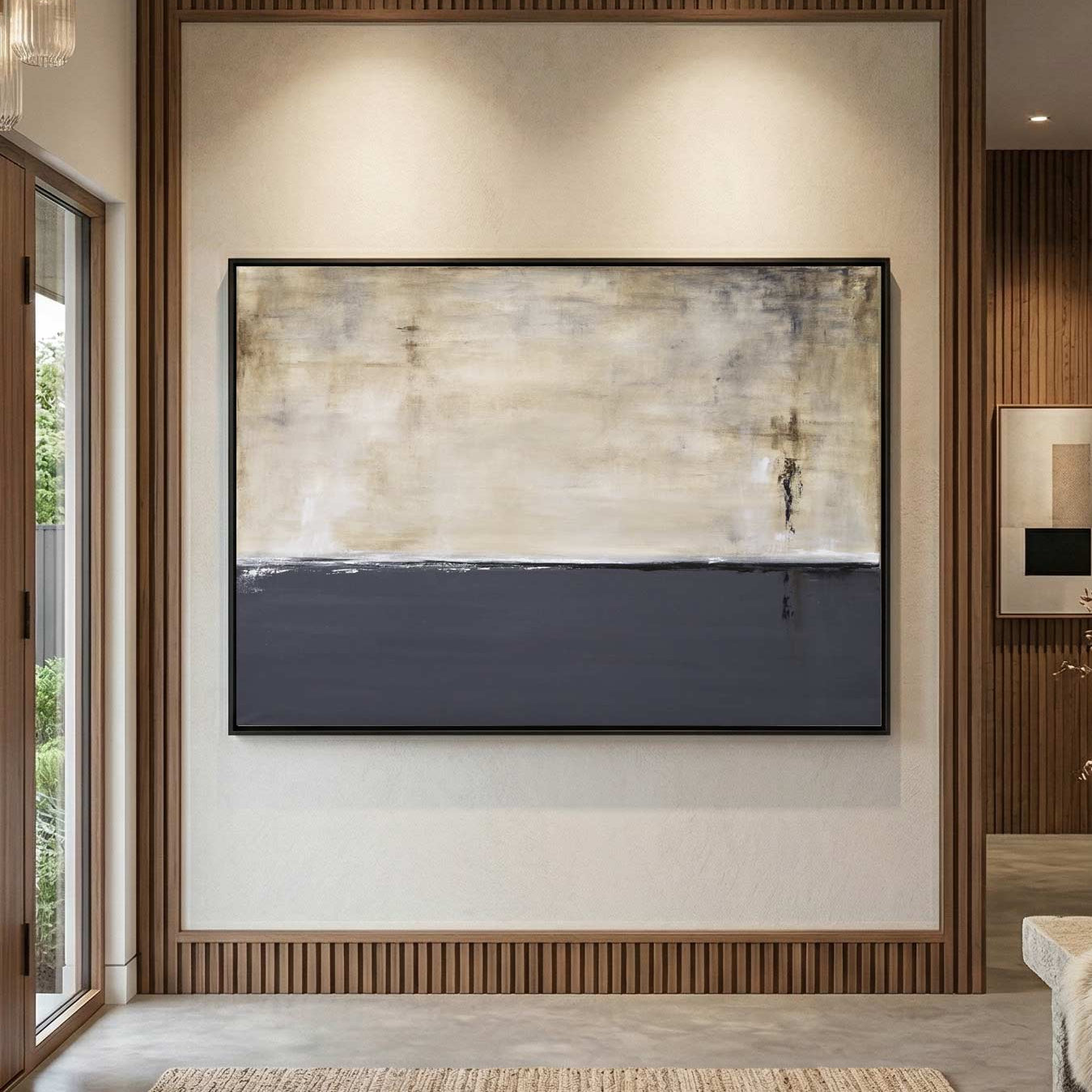
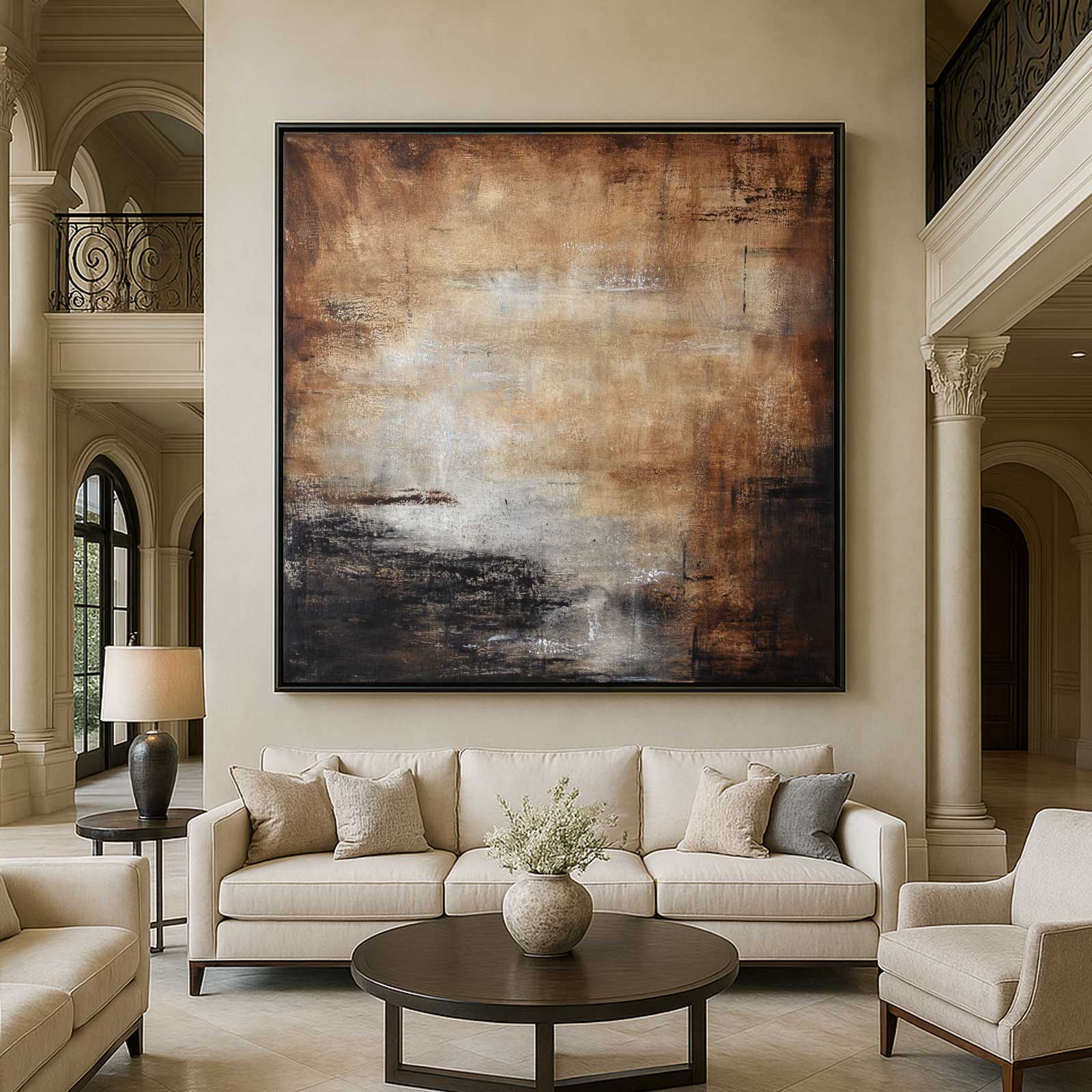
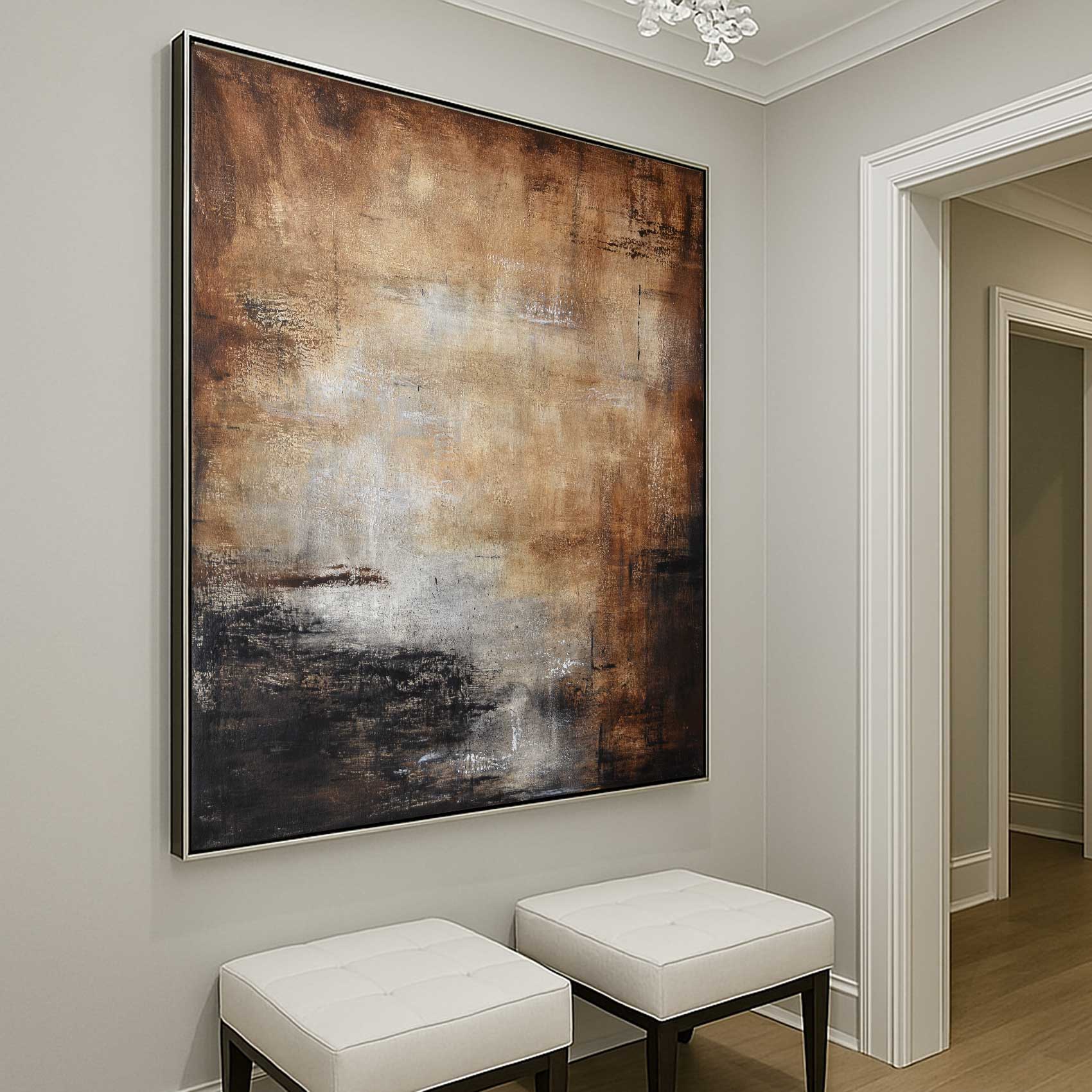
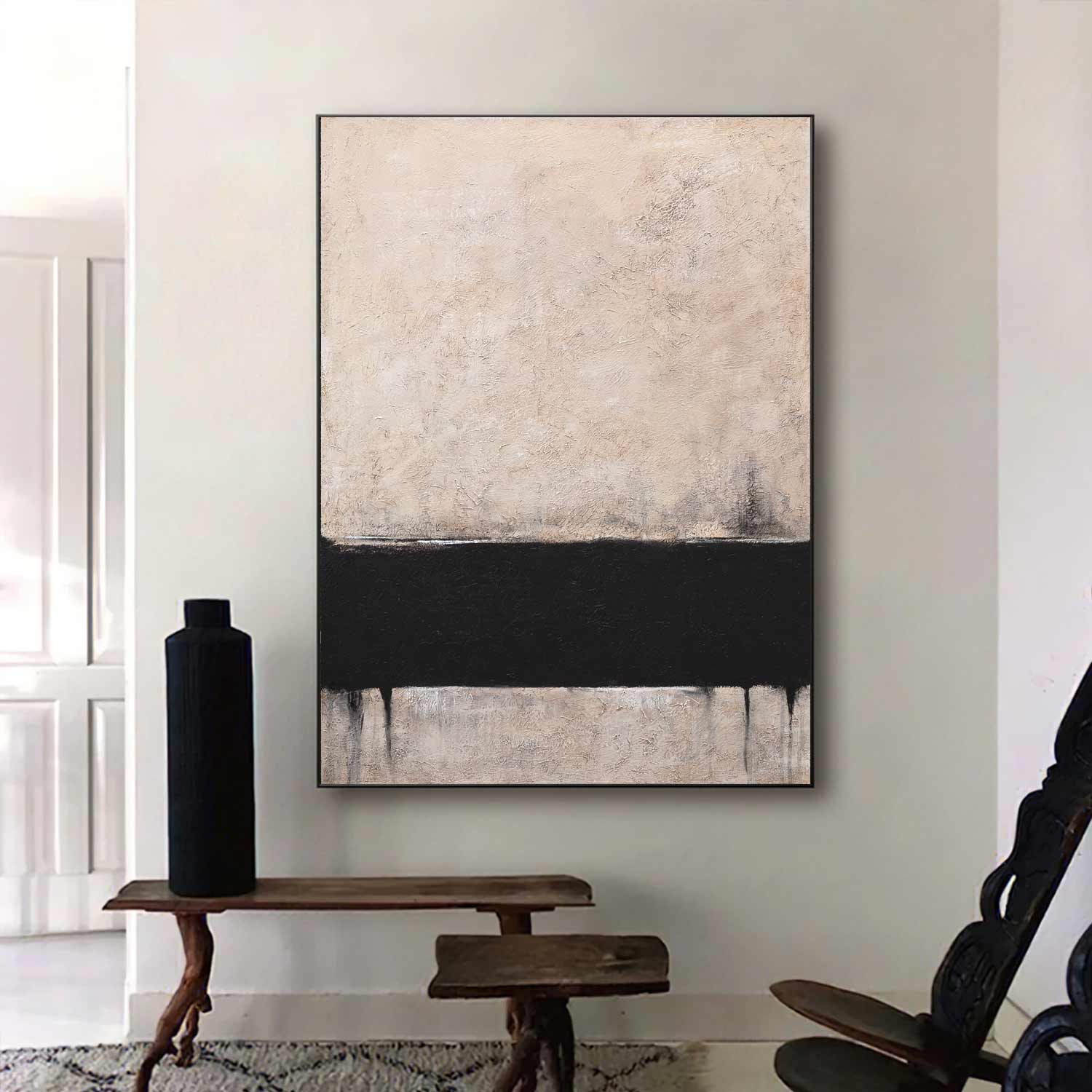
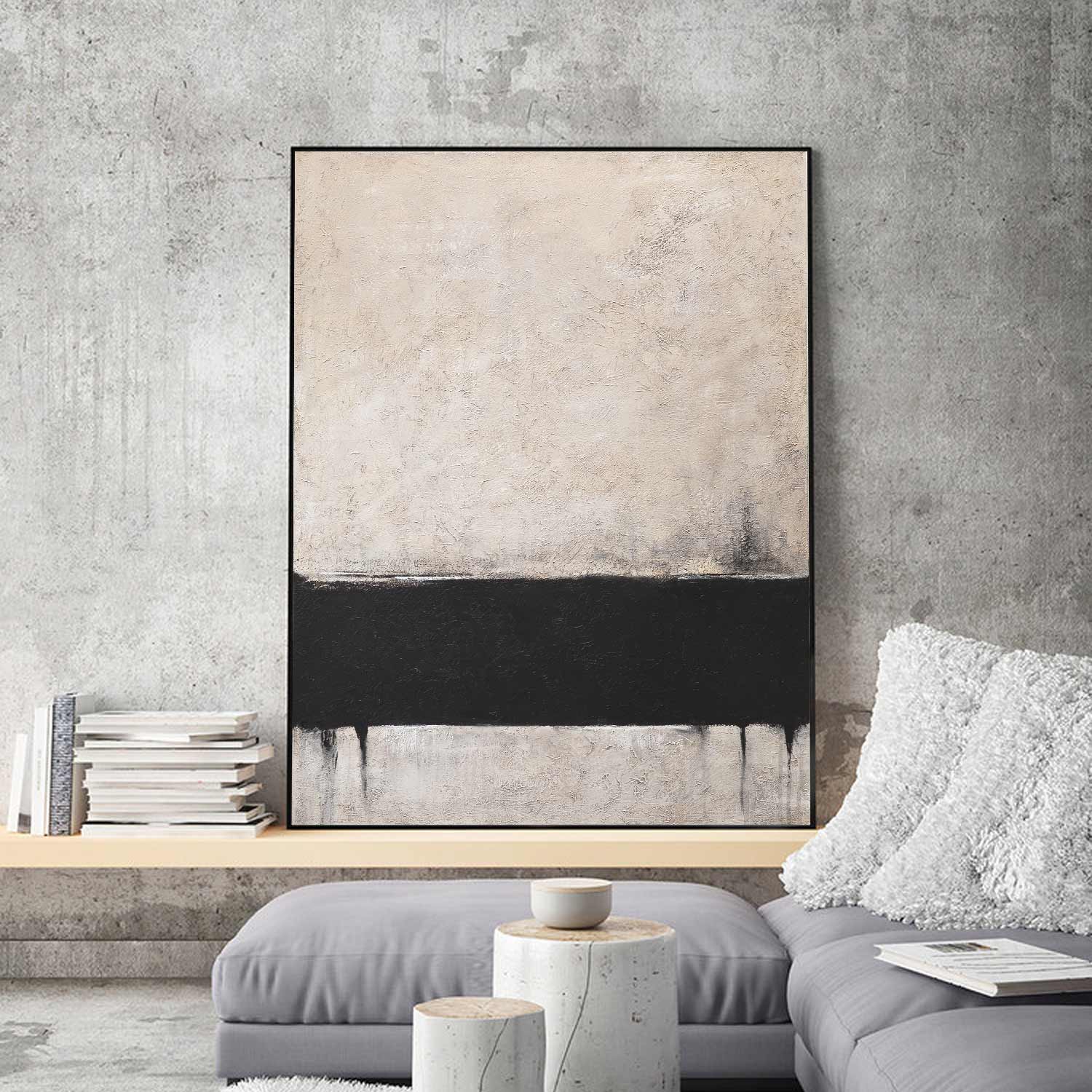
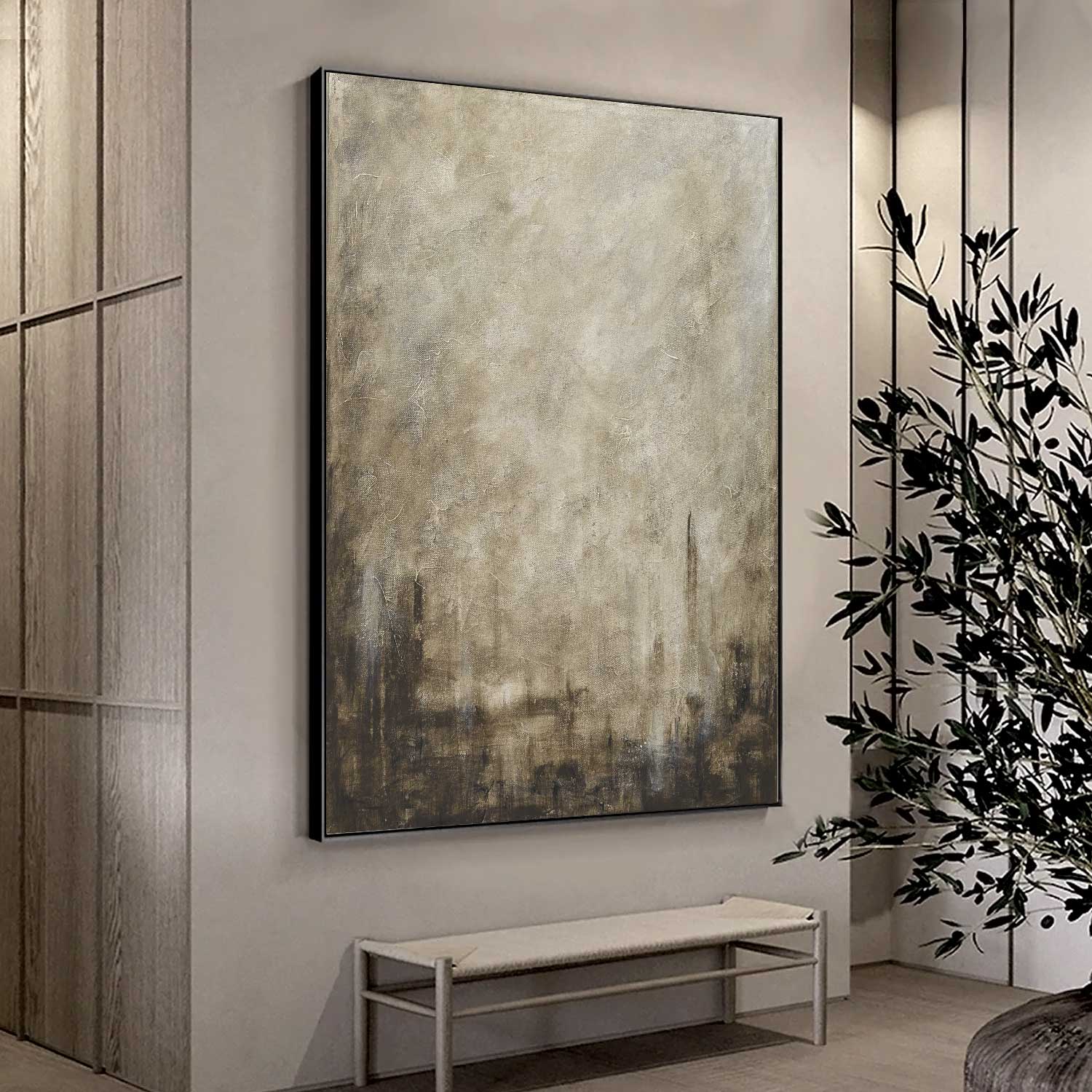
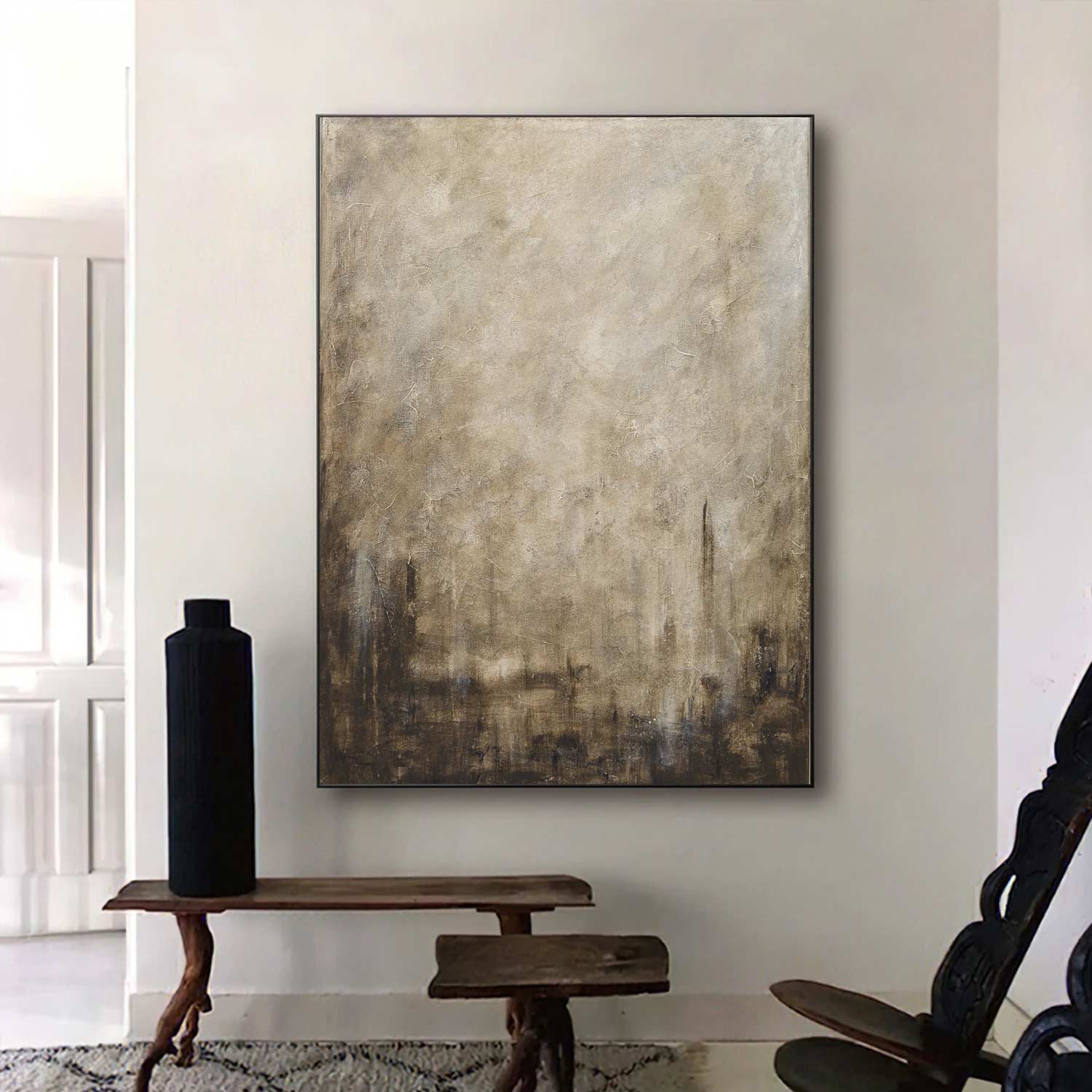
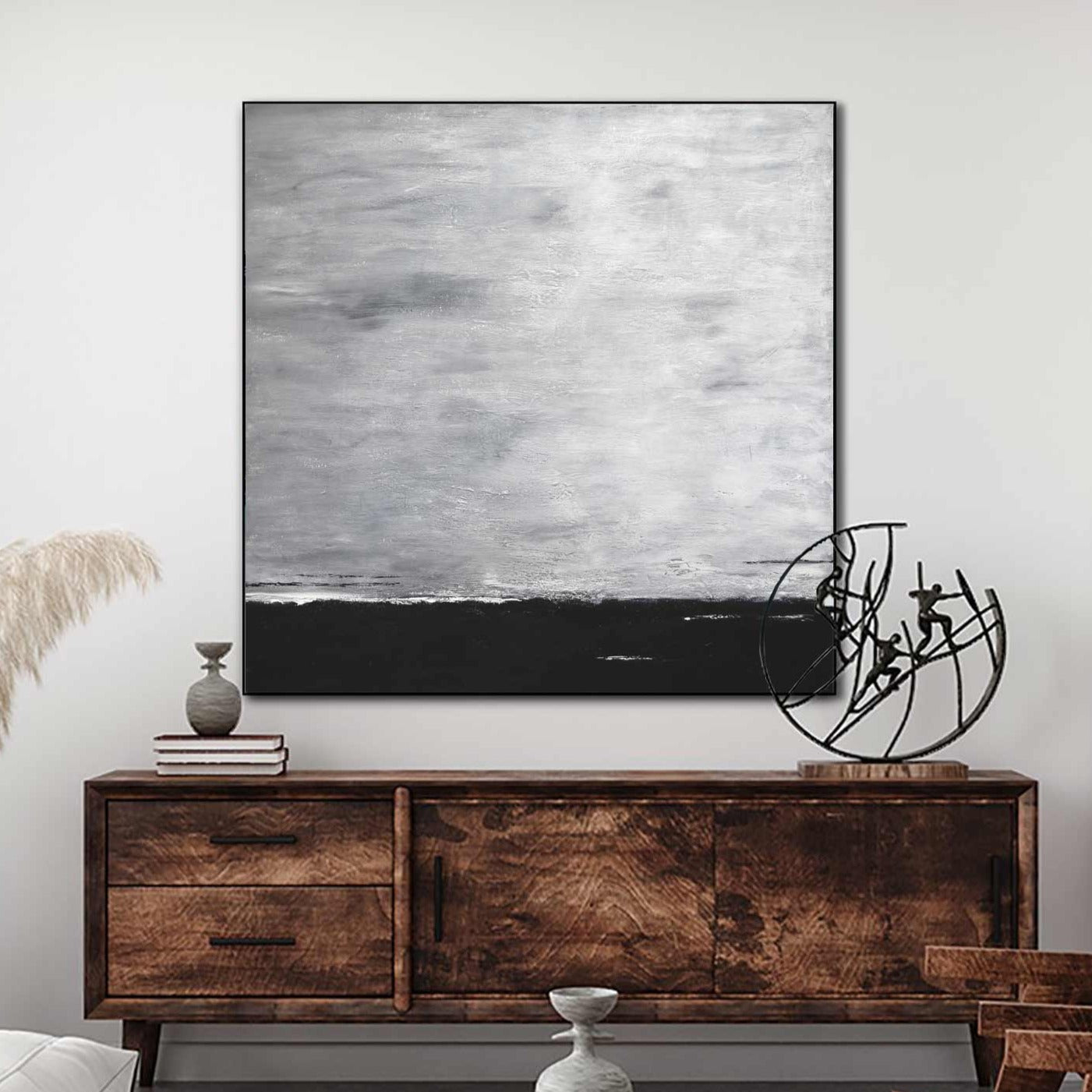
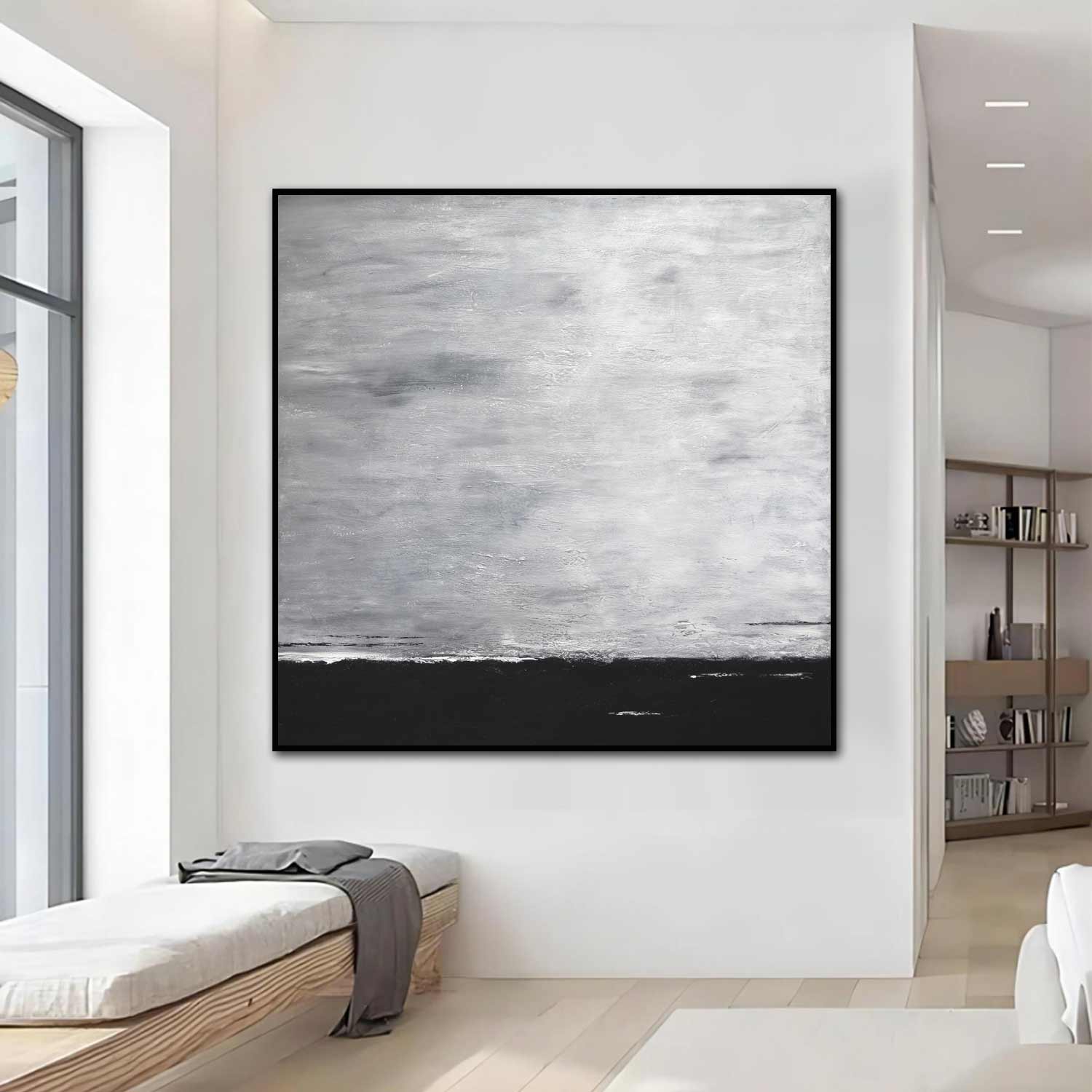
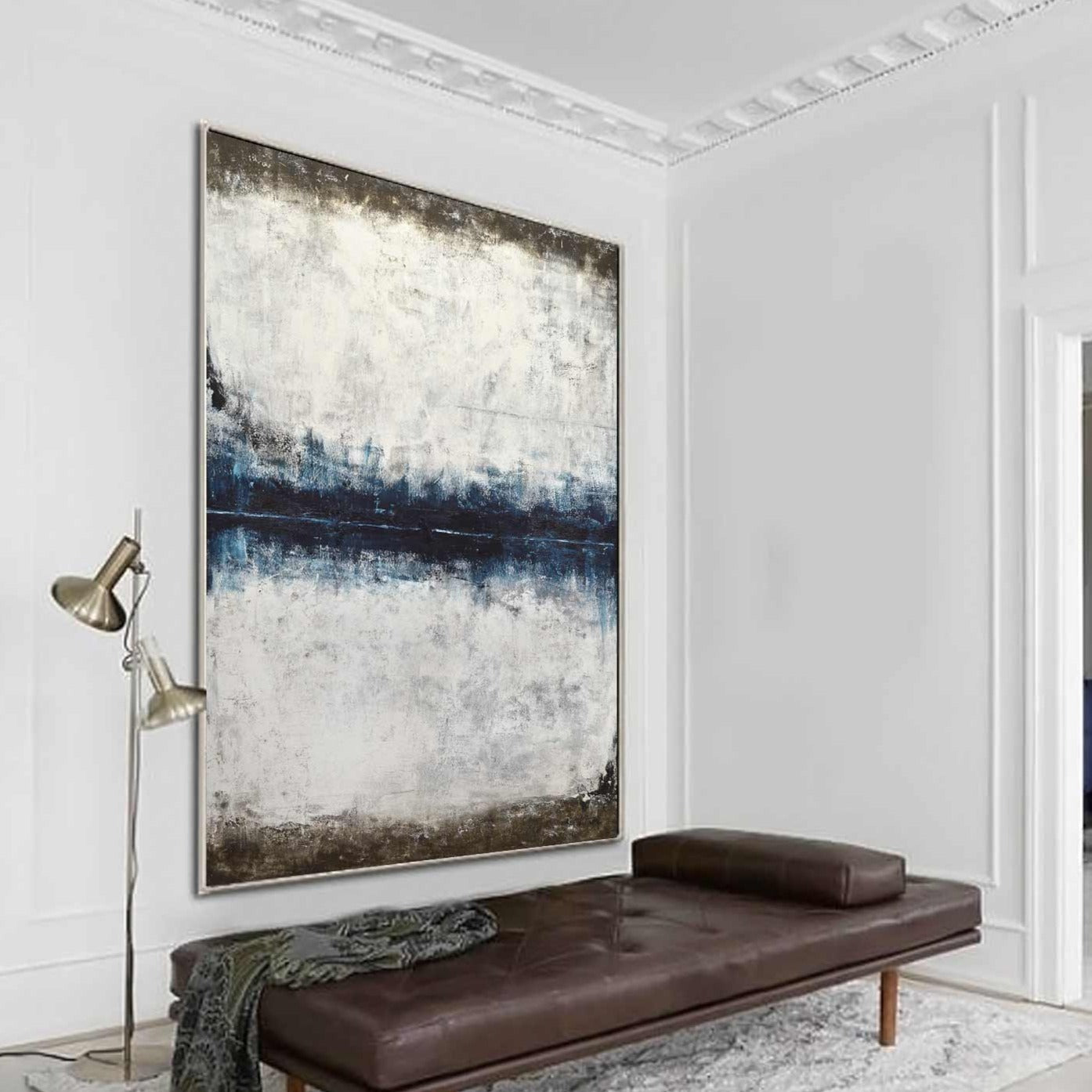
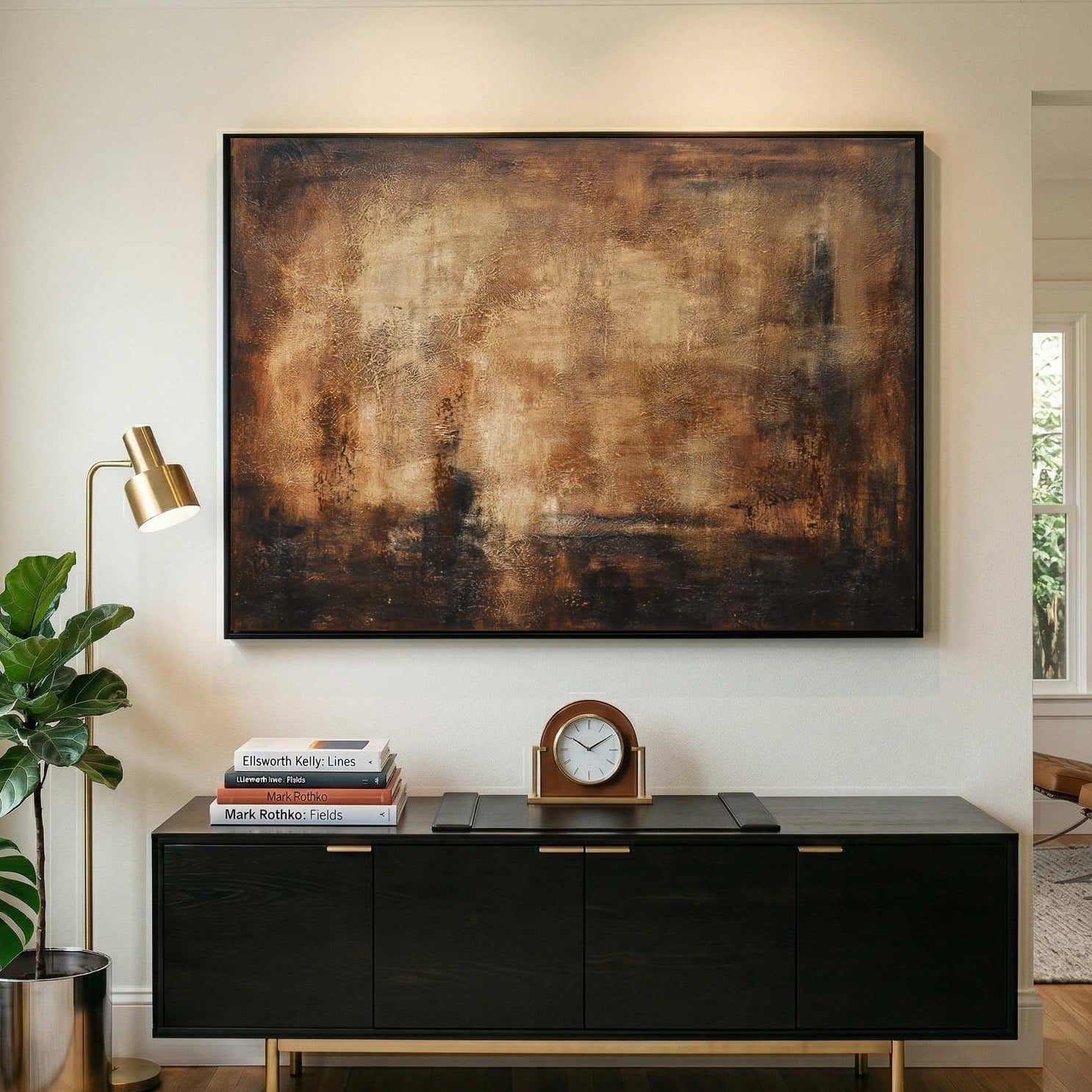
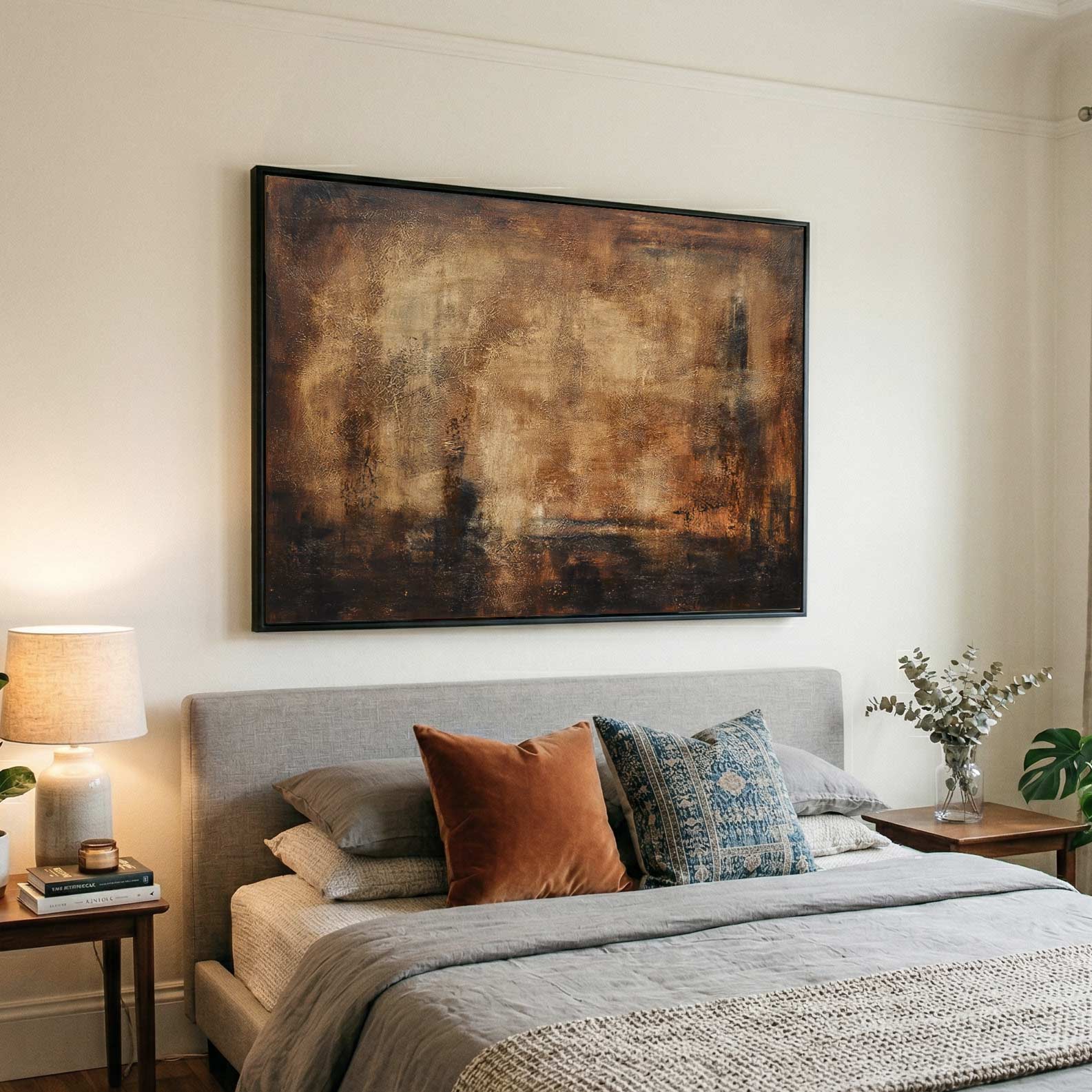
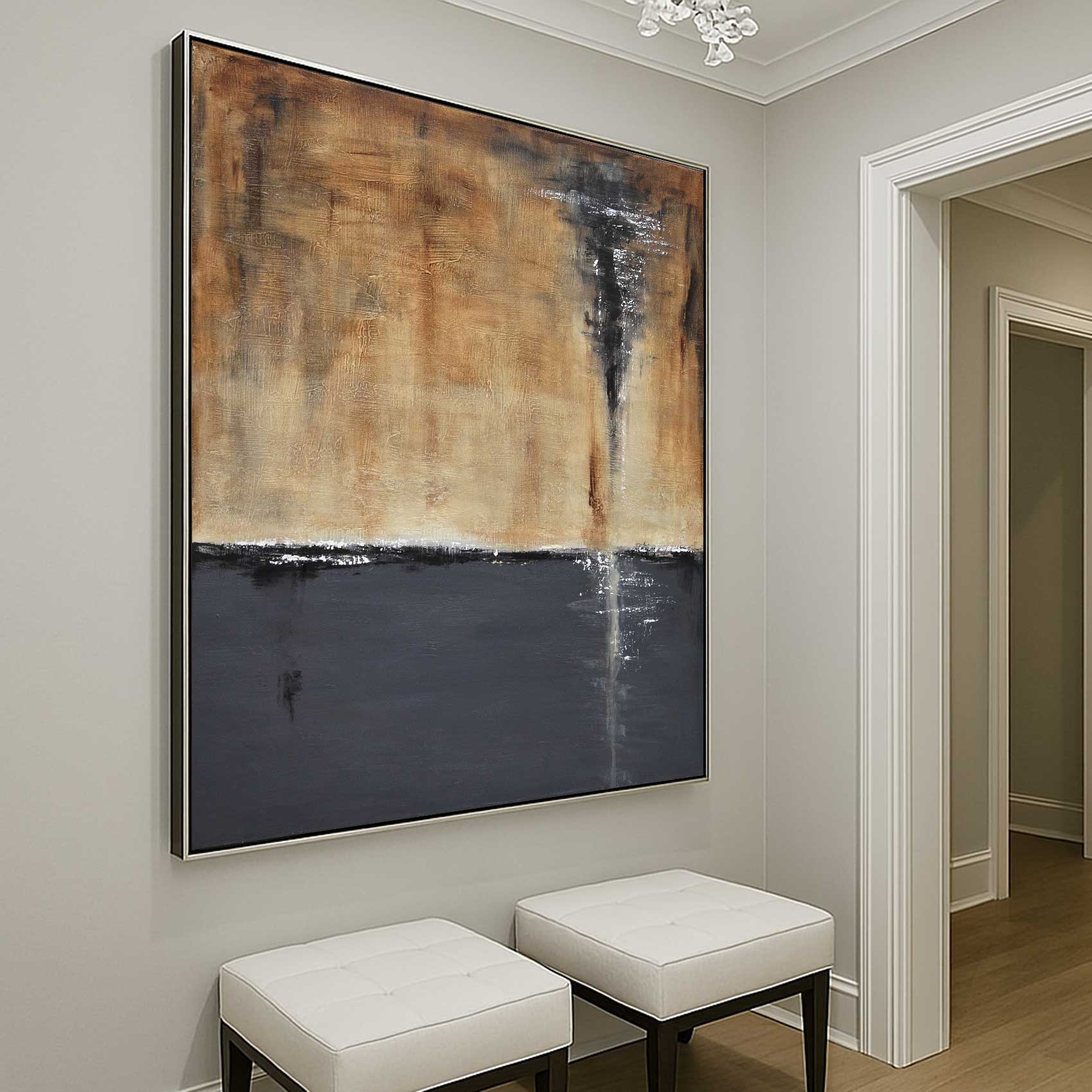
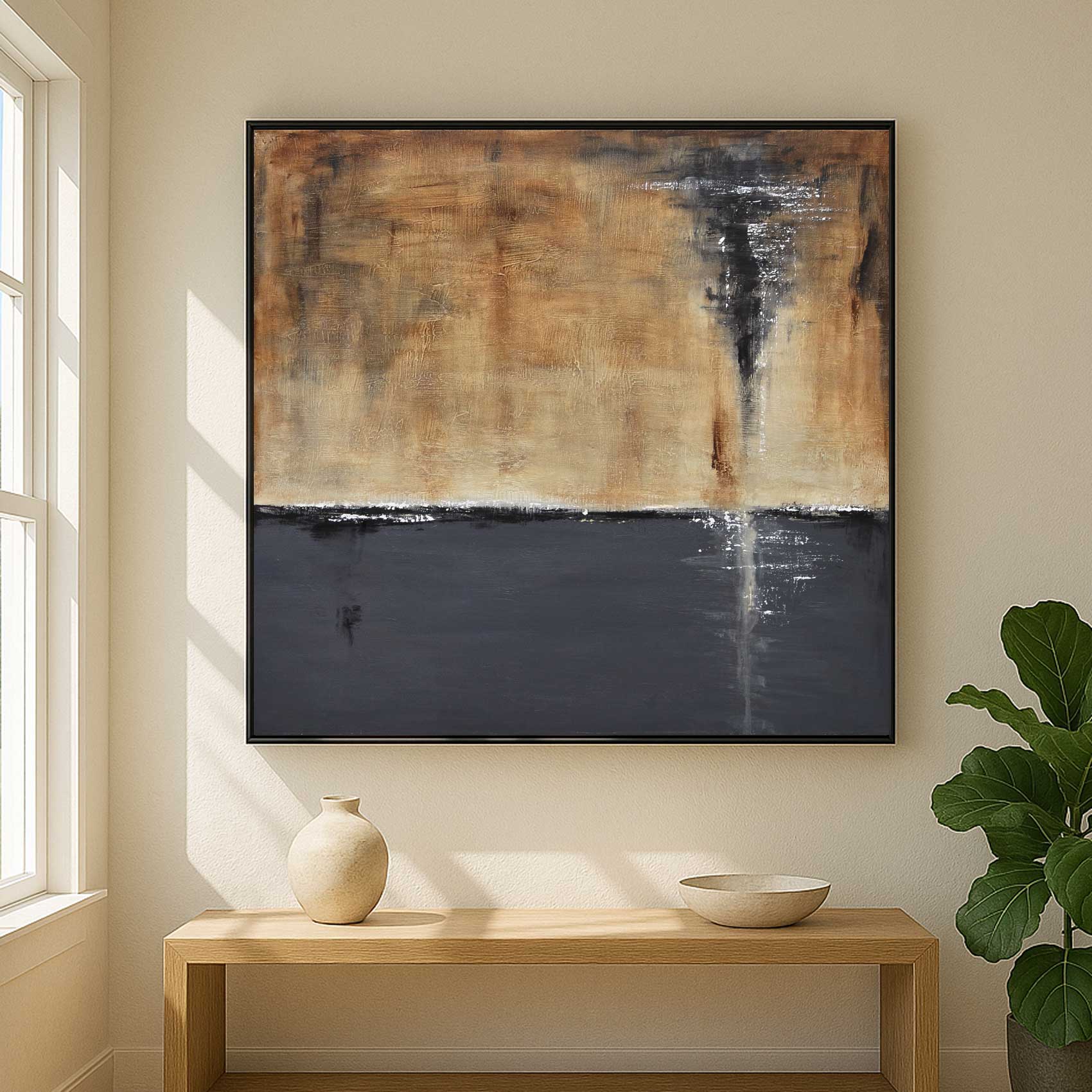
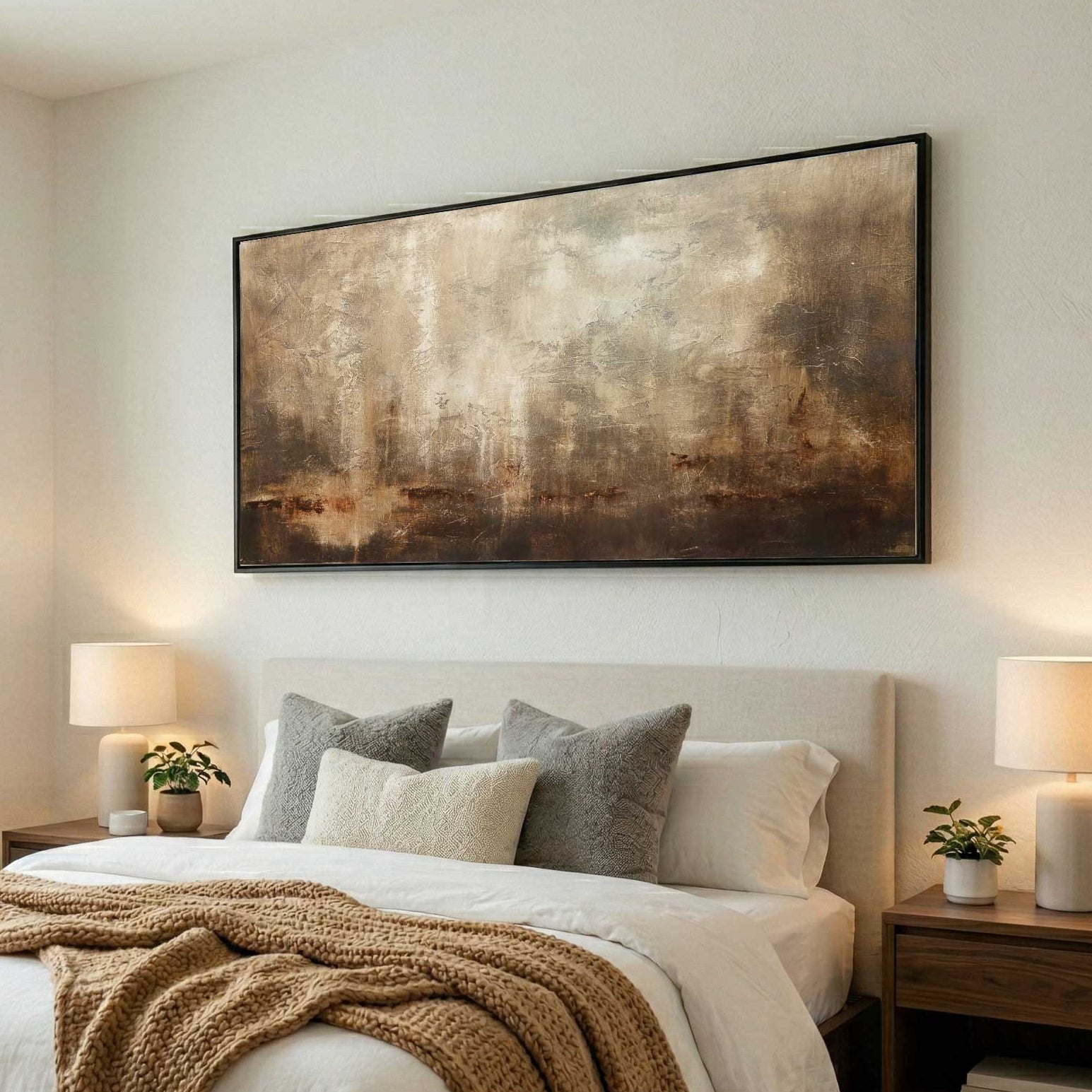
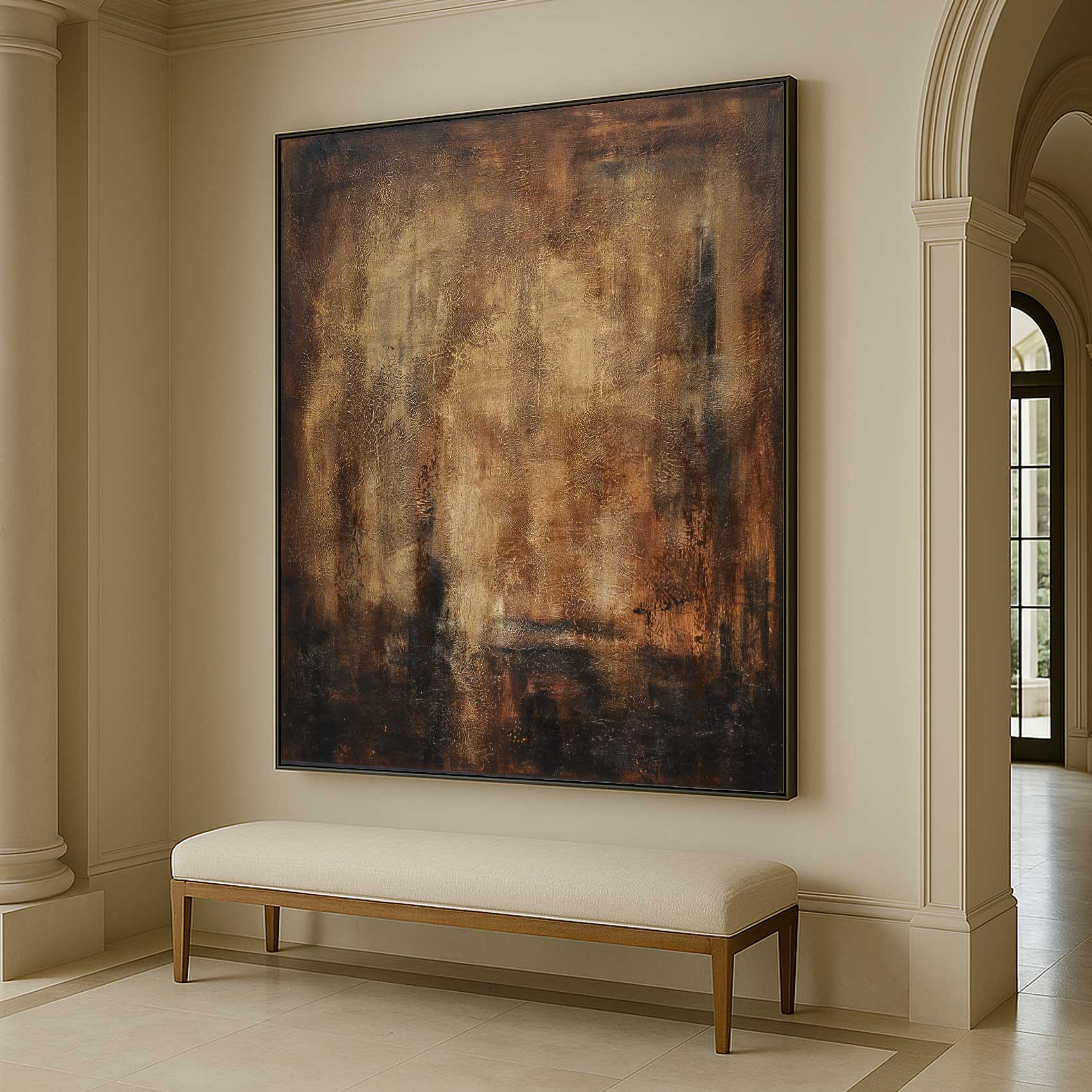
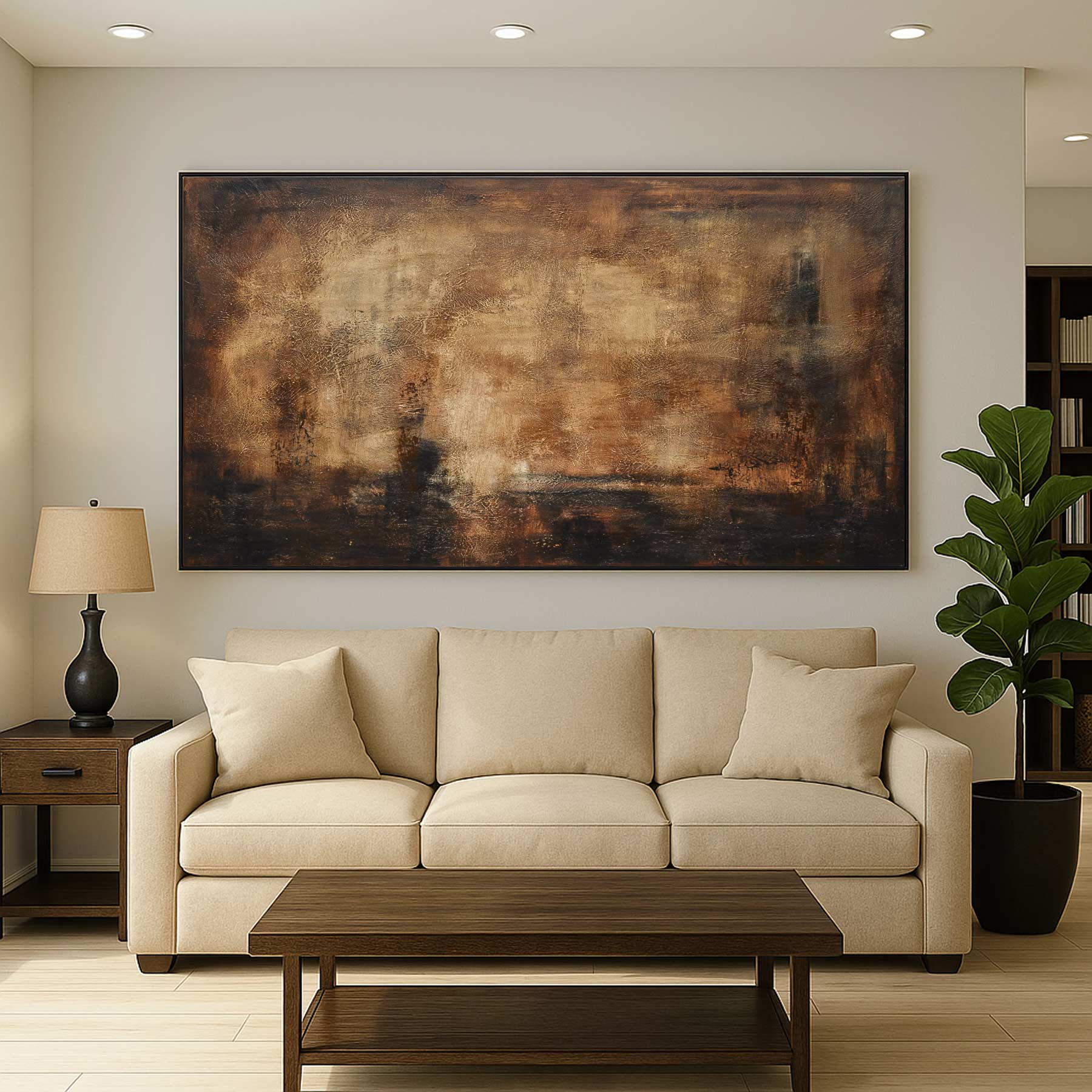
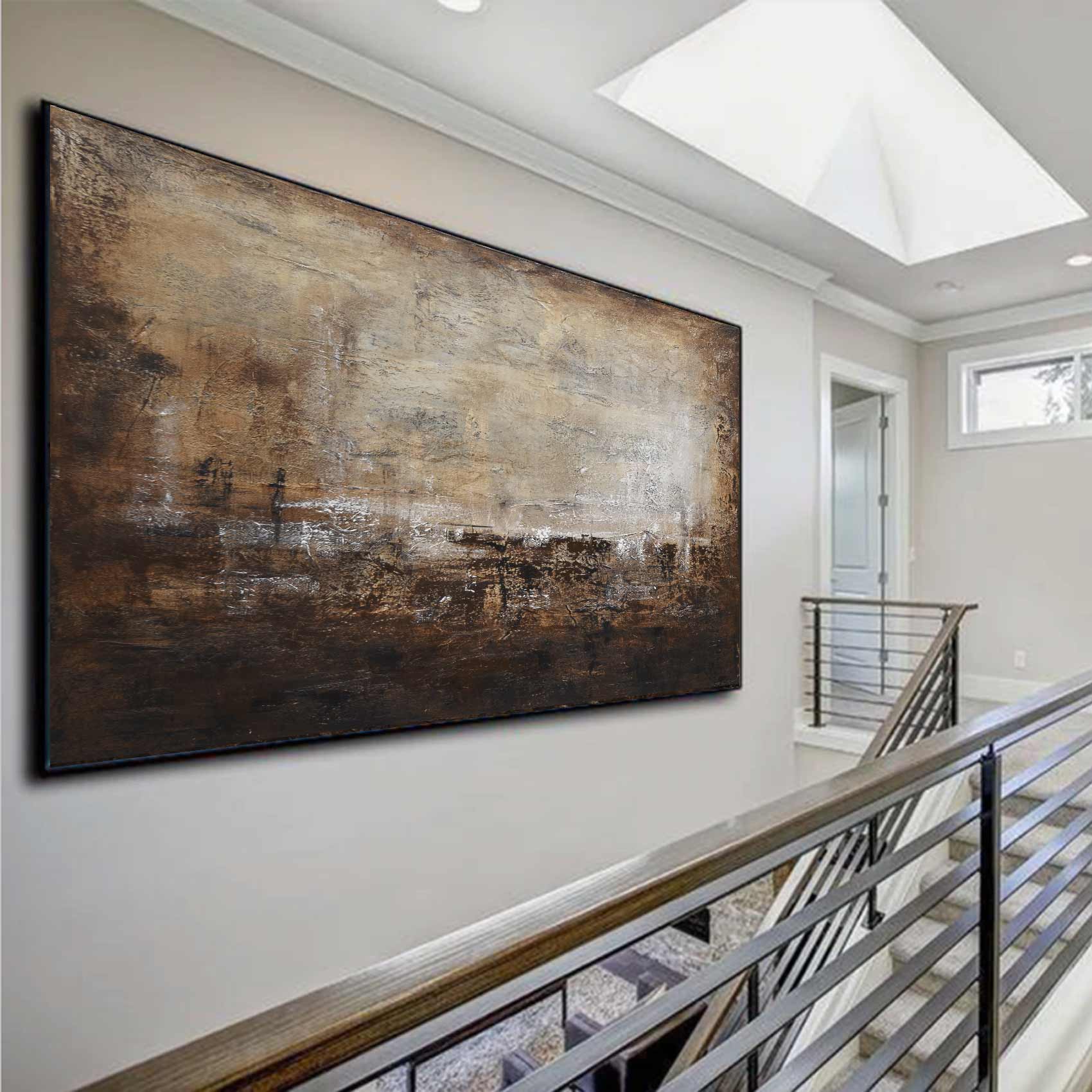
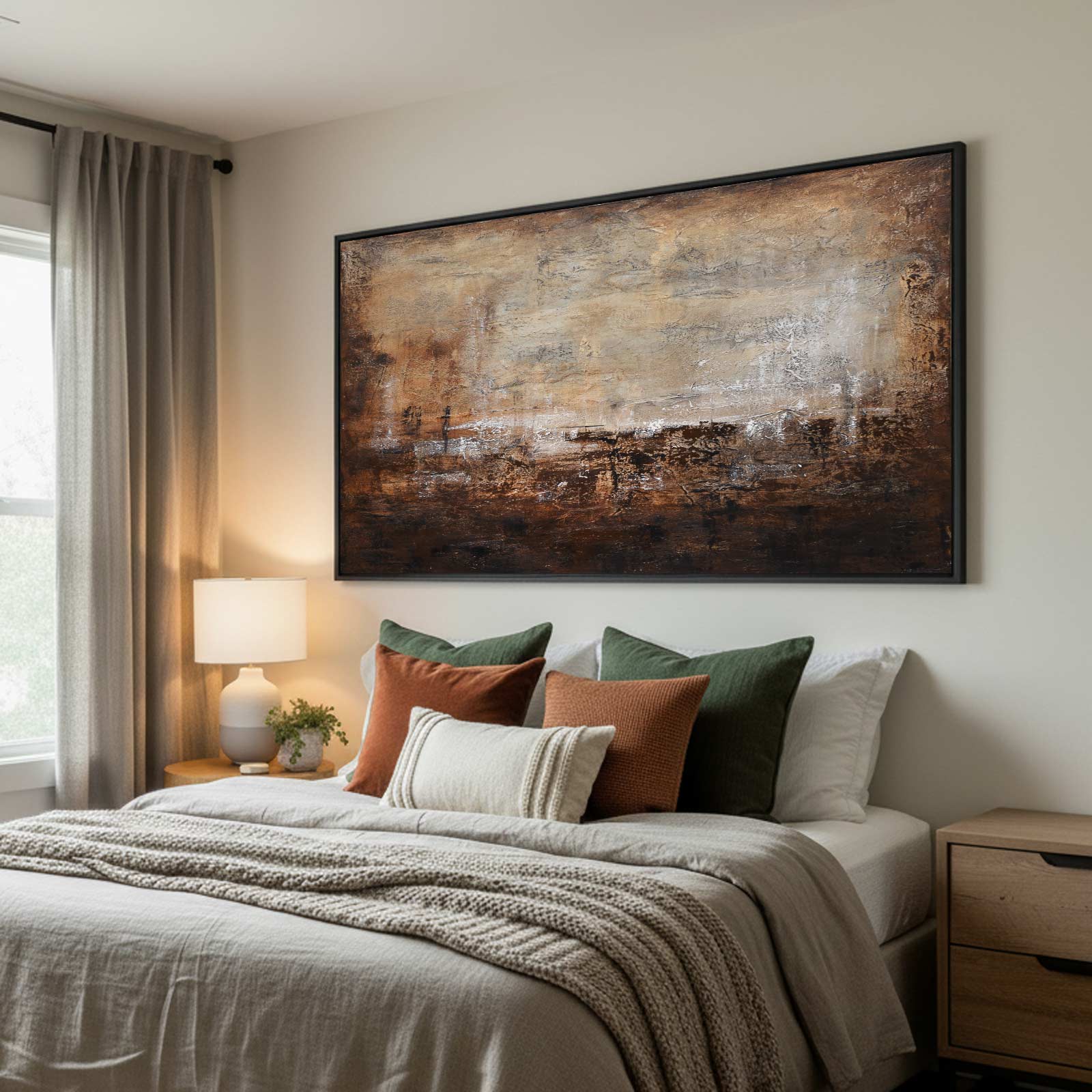
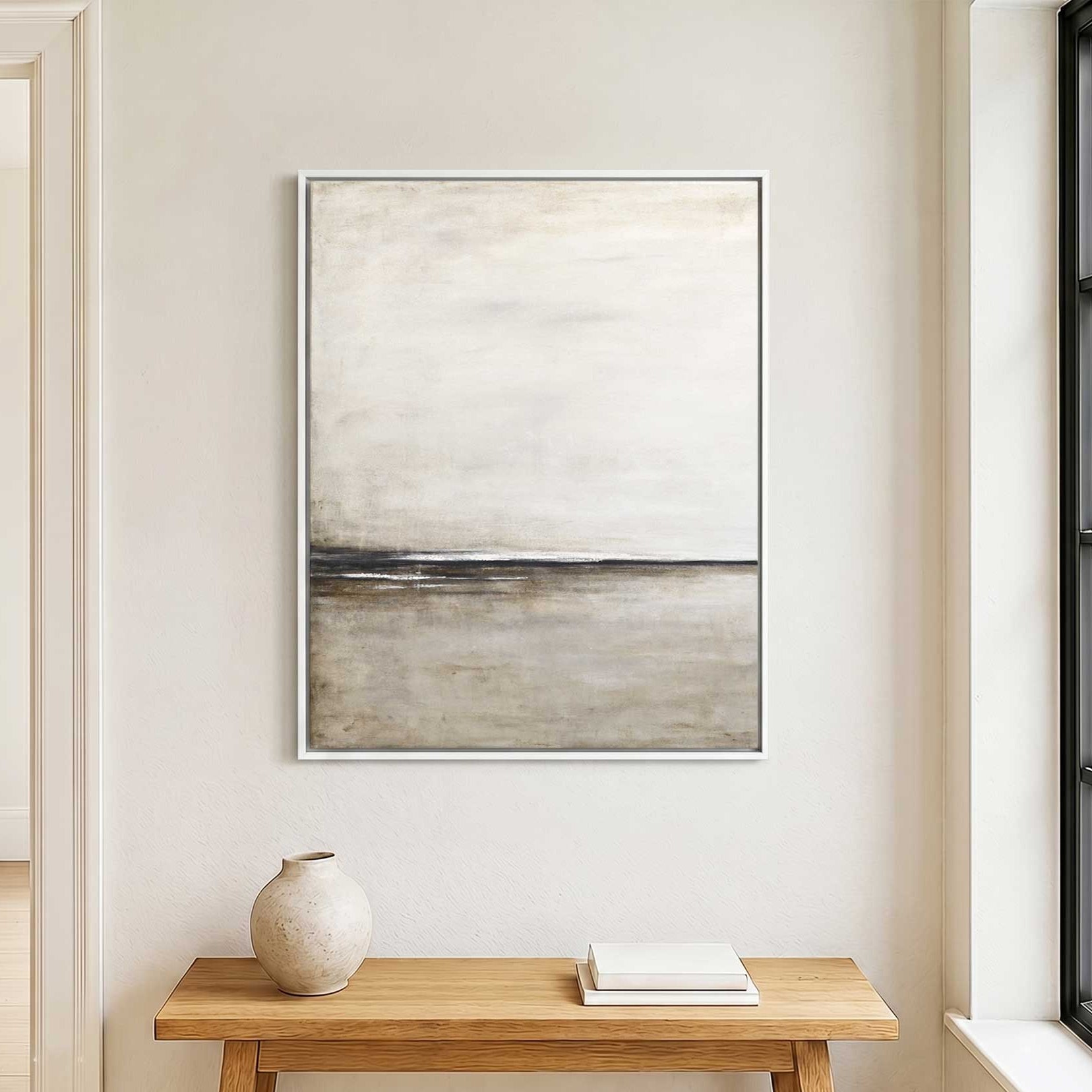
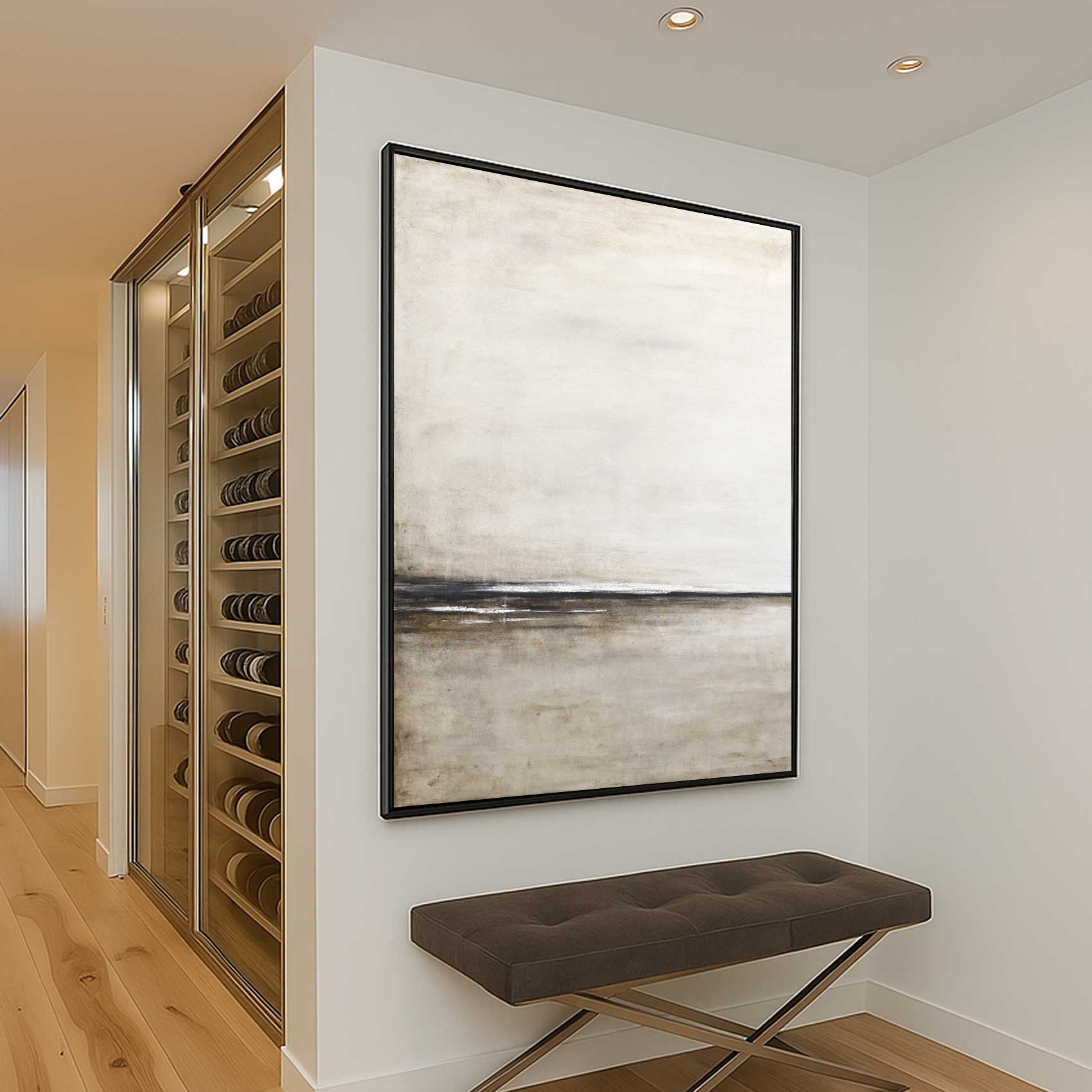
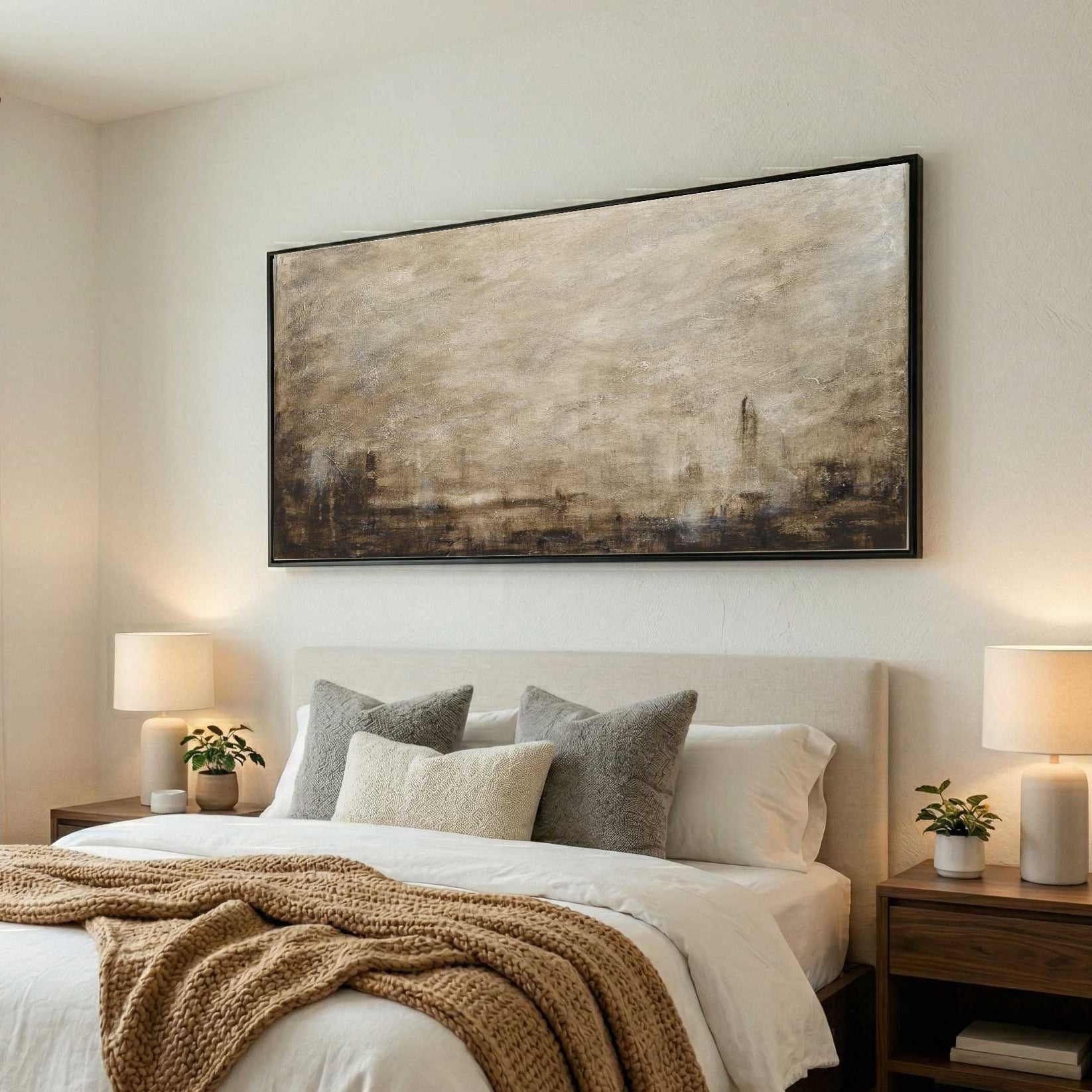
In a world filled with polished surfaces and fast trends, wabi sabi offers something different. It invites stillness. These paintings often feature earthy palettes—soft beiges, warm taupes, charcoal blacks, and muted grays—tones that echo natural materials like stone, sand, and weathered wood. The textures are equally important. Thick brushwork, layered plaster effects, and imperfect edges create depth and movement without relying on bold color or intricate detail. This understated approach allows the artwork to complement a space rather than dominate it.
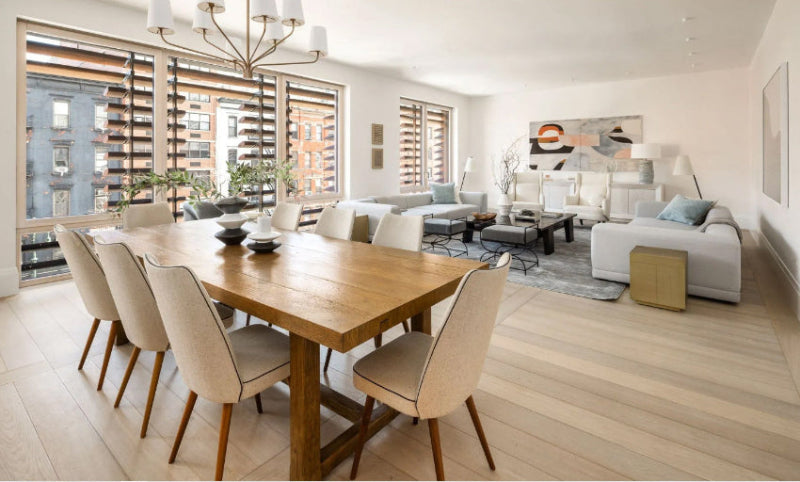
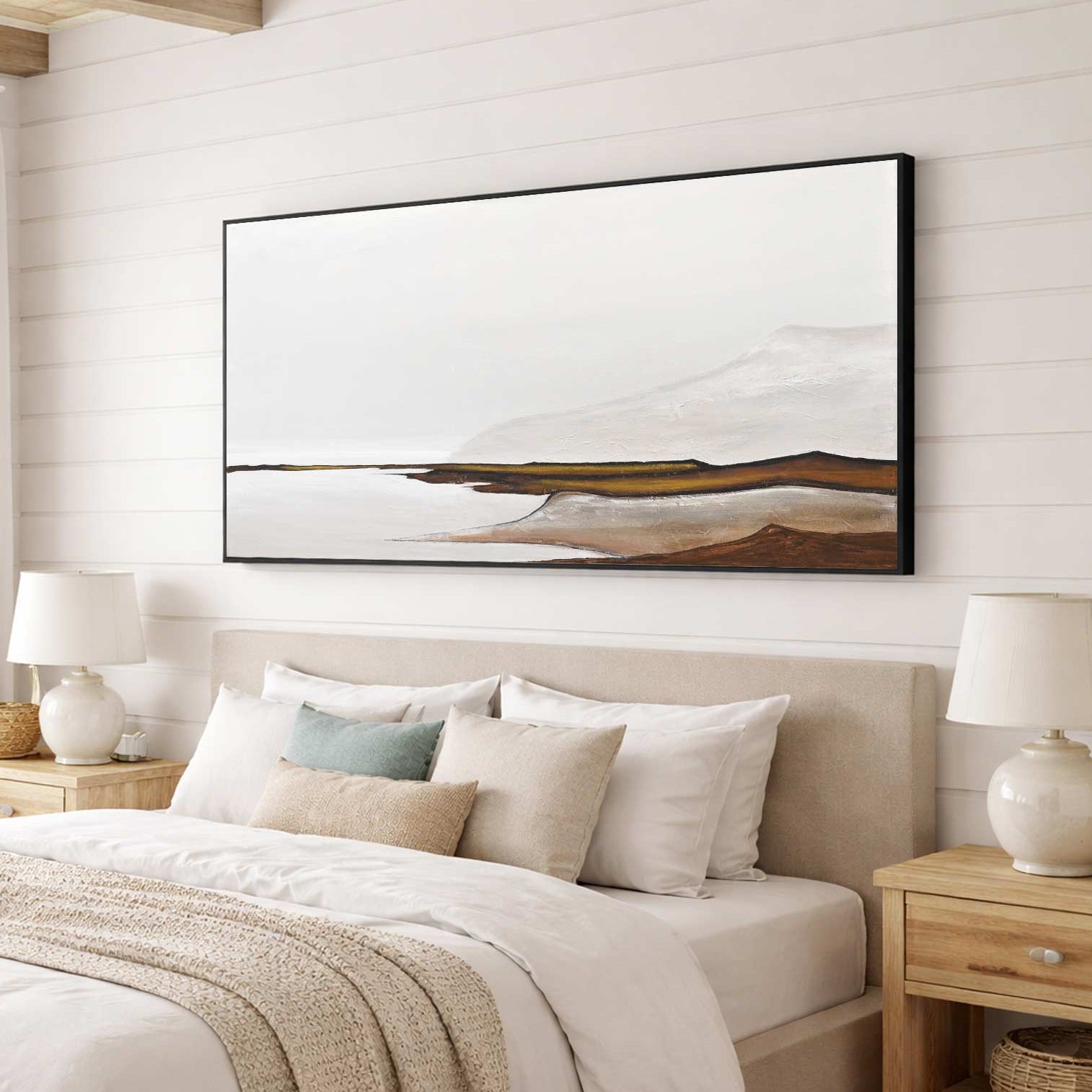
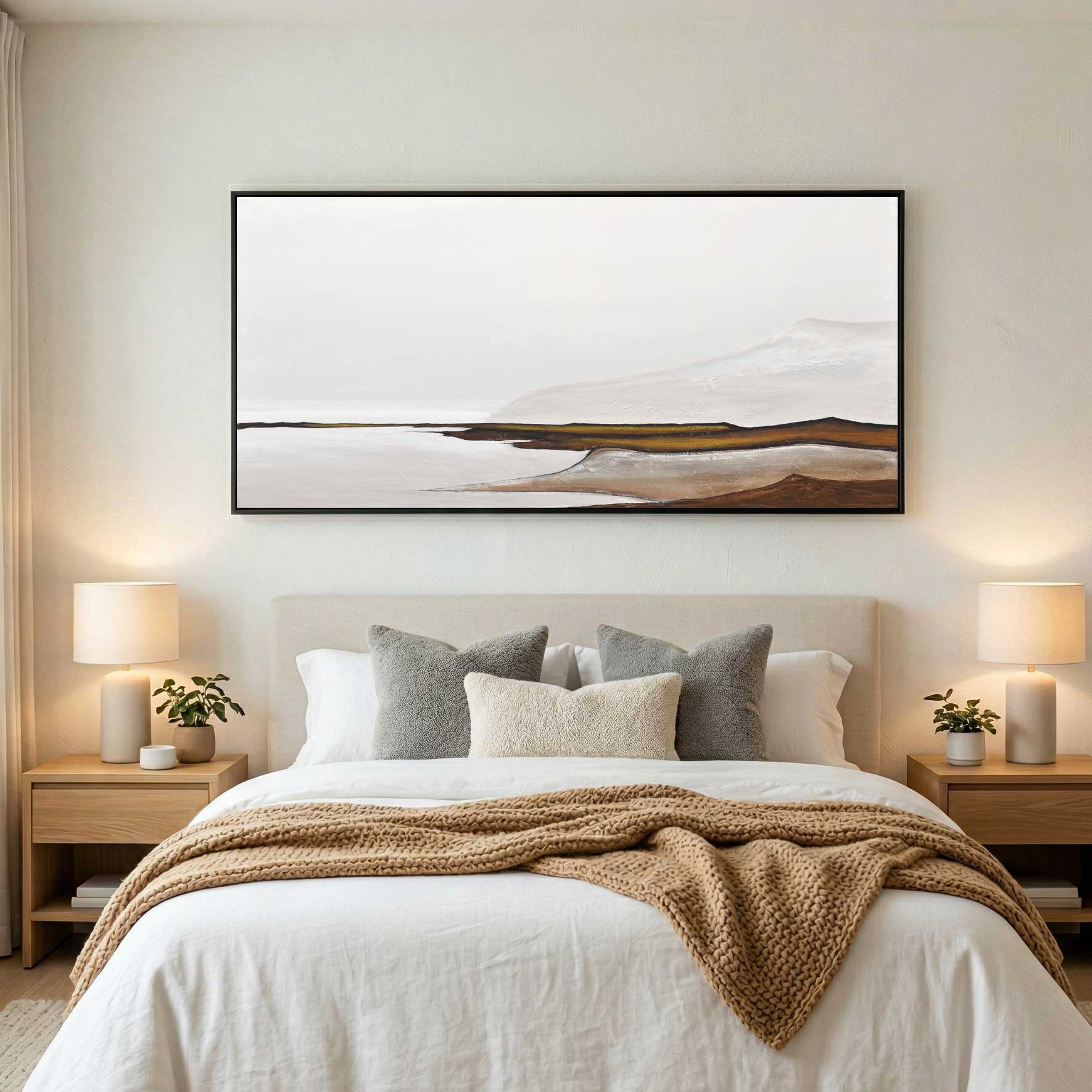
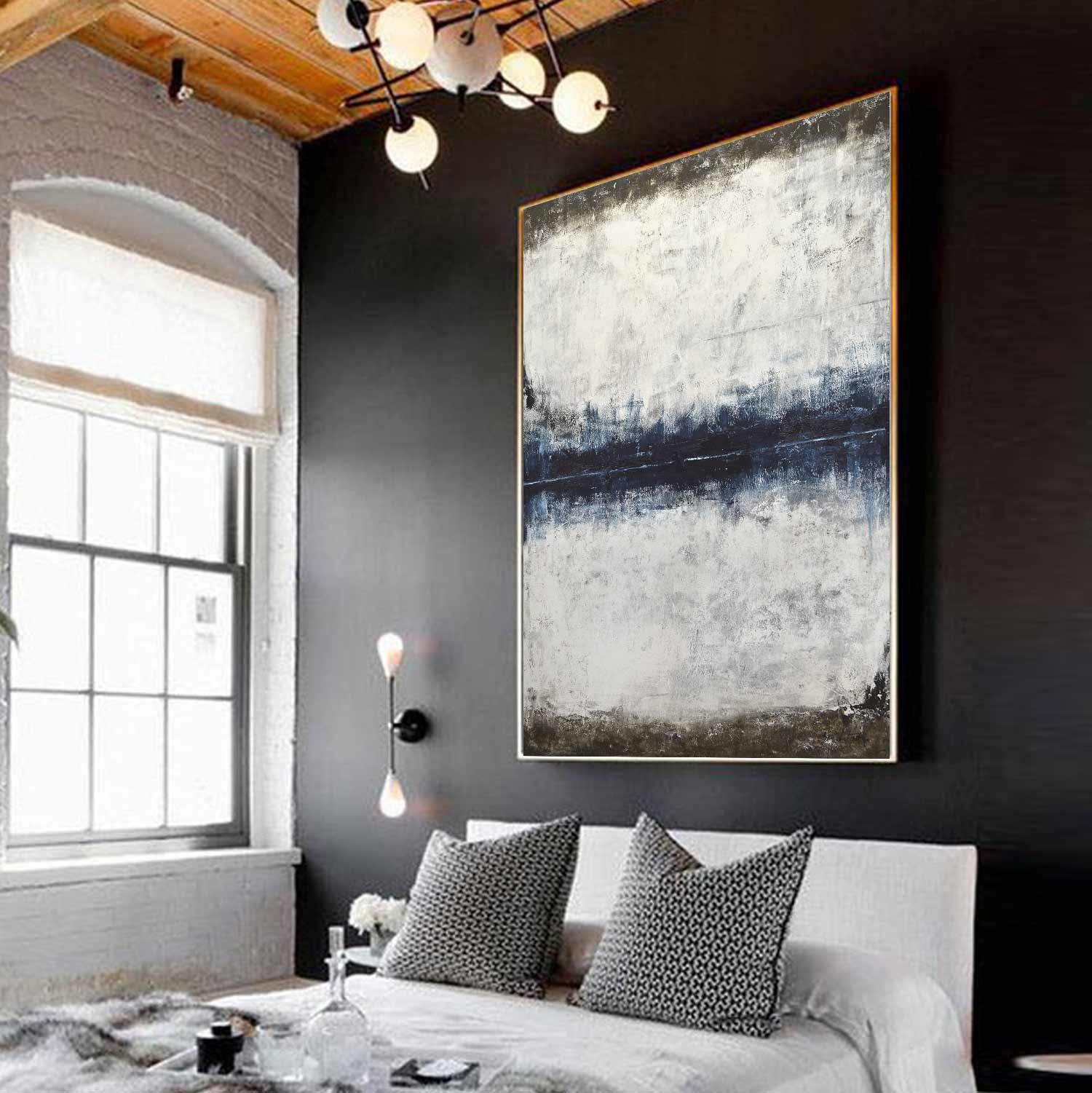
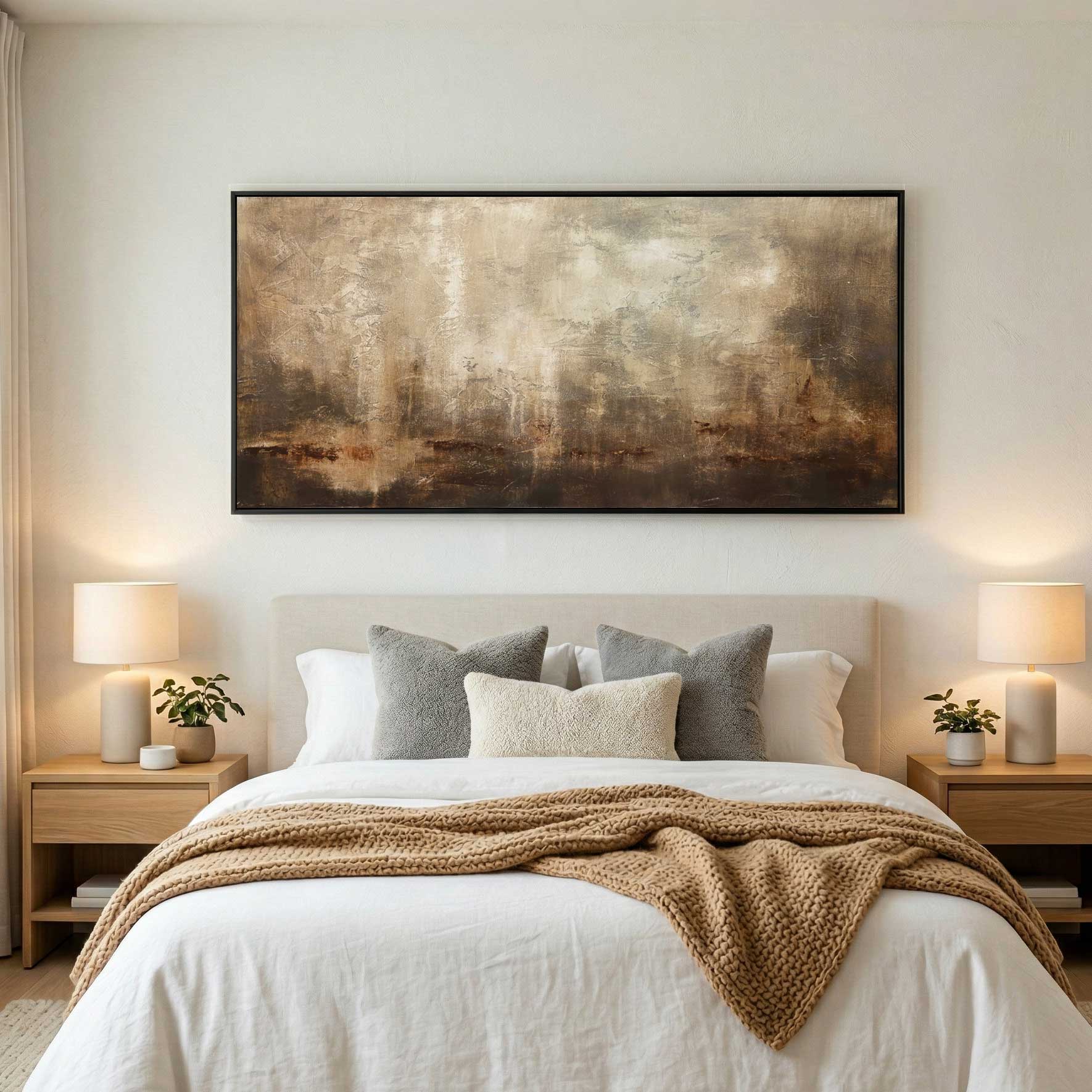
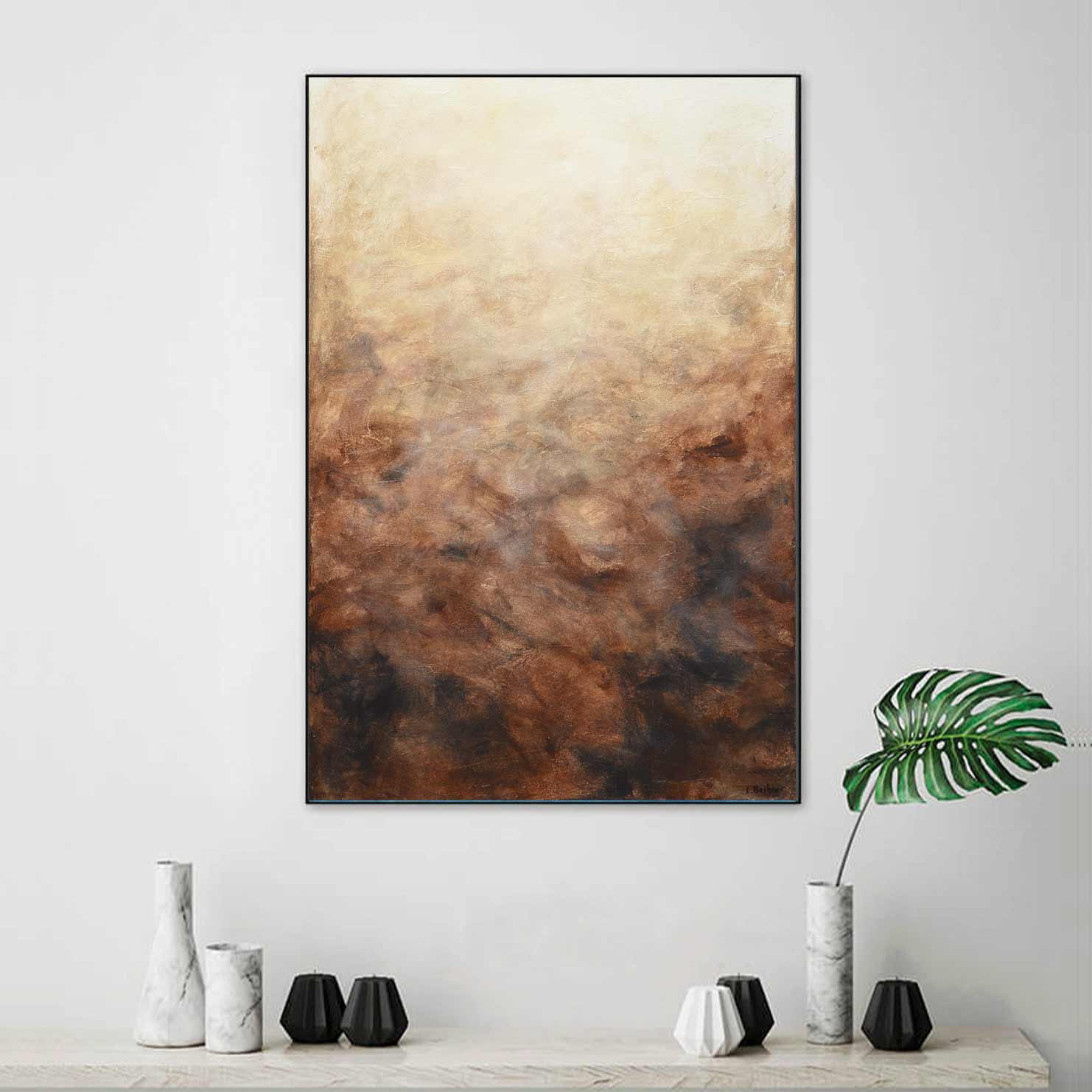
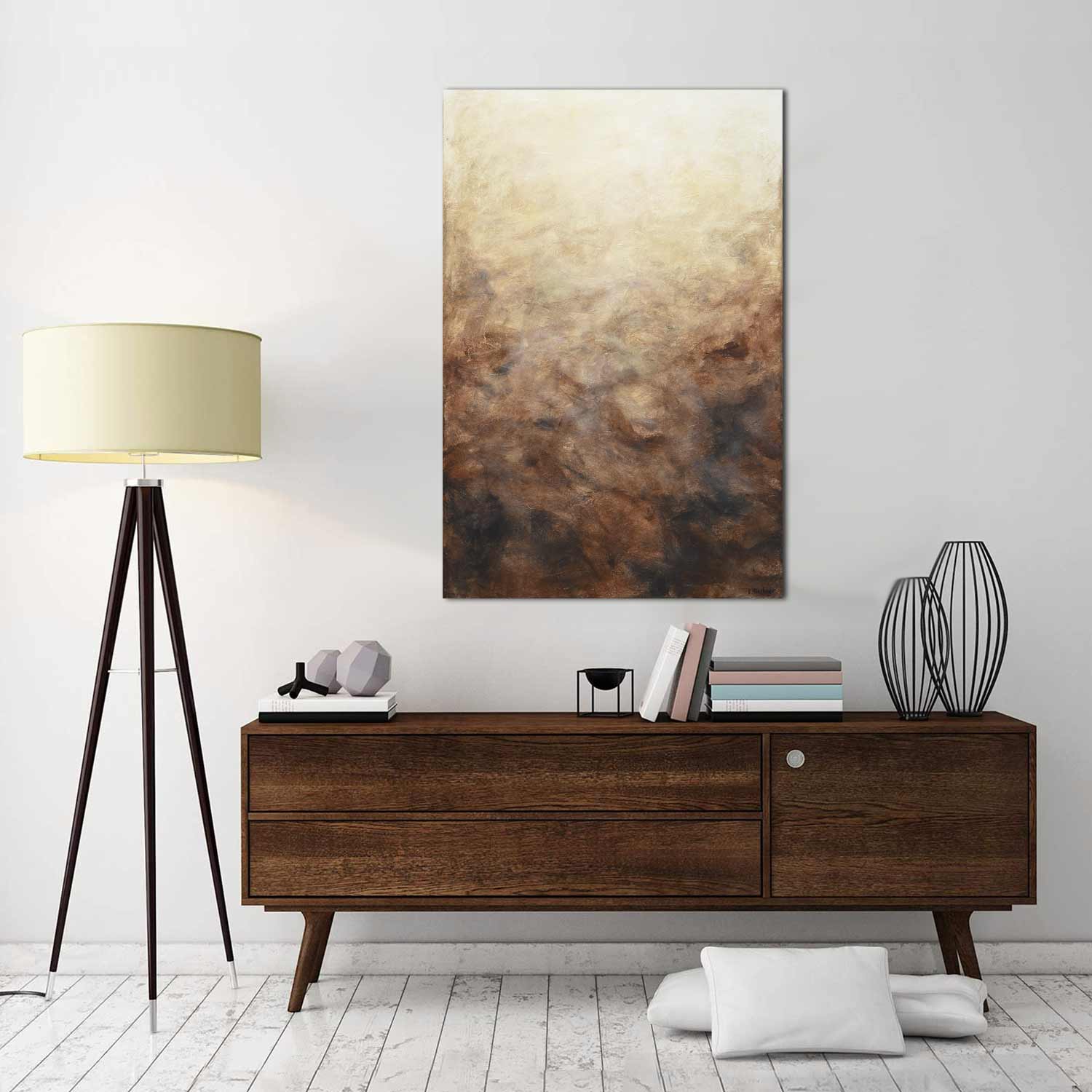
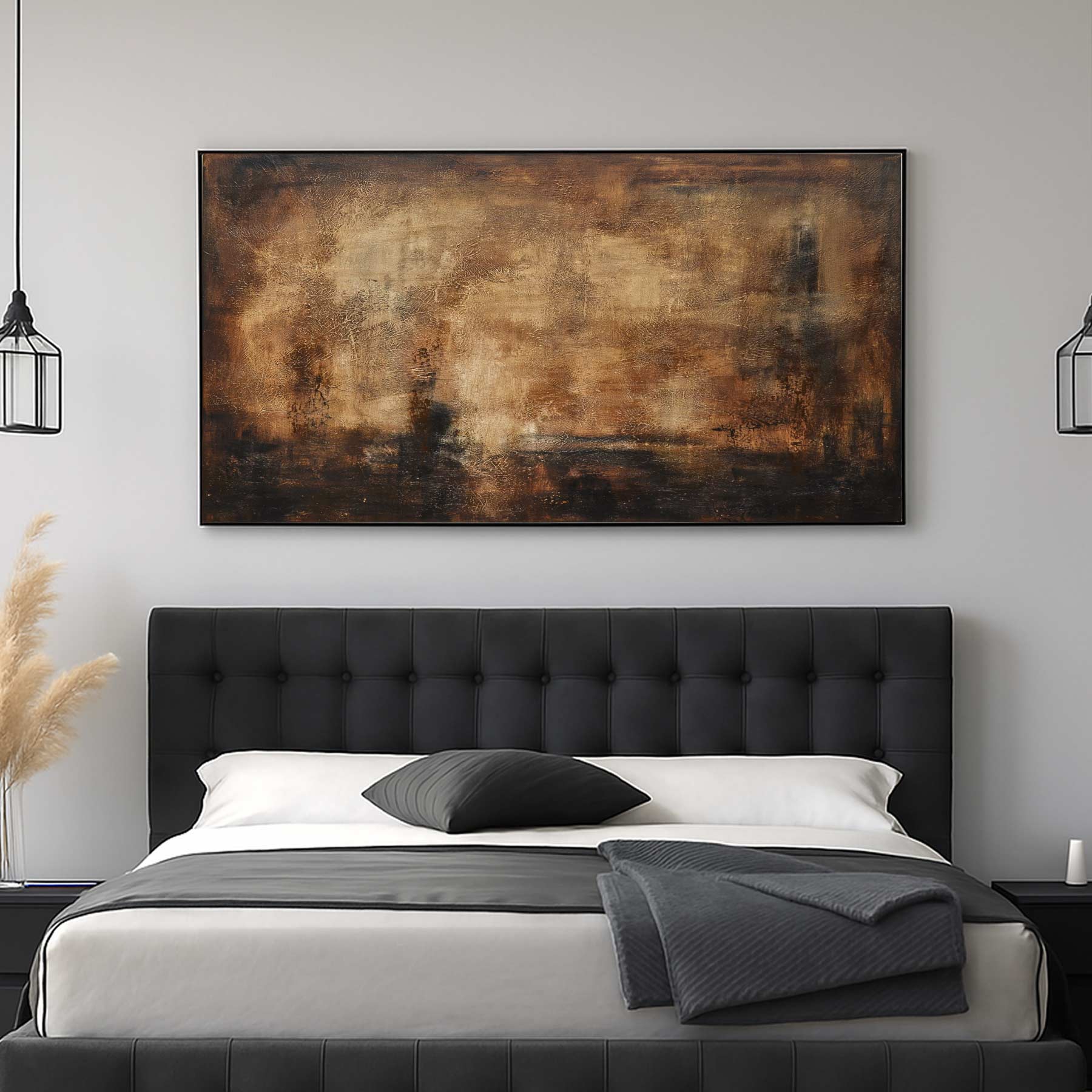
One of the defining qualities of wabi sabi paintings is their versatility. They work effortlessly in modern, minimalist interiors, but they also soften more structured spaces by introducing a sense of warmth and imperfection. A large horizontal piece above a sofa or bed can anchor a room without feeling heavy, while a vertical composition can add quiet height and elegance to a narrower wall. Because the color palette is restrained, these works integrate seamlessly with a wide range of materials, from linen and wood to concrete and metal.
Another key aspect of wabi sabi art is its emotional impact. These paintings are not meant to be loud or attention-seeking. Instead, they create a feeling. There is a sense of calm that comes from their simplicity, a kind of visual breathing room that allows you to pause and reset. This makes them especially well-suited for spaces where you want to unwind, such as bedrooms, living rooms or even offices designed with a focus on clarity and focus.
Texture plays a central role in bringing this philosophy to life. Many wabi sabi paintings are built up in layers, with subtle variations that catch light differently throughout the day. As natural light shifts, the artwork reveals new details—soft shadows, gentle highlights, and nuanced transitions in tone. This dynamic quality adds depth without complexity, making the painting feel alive while still maintaining its minimal character.
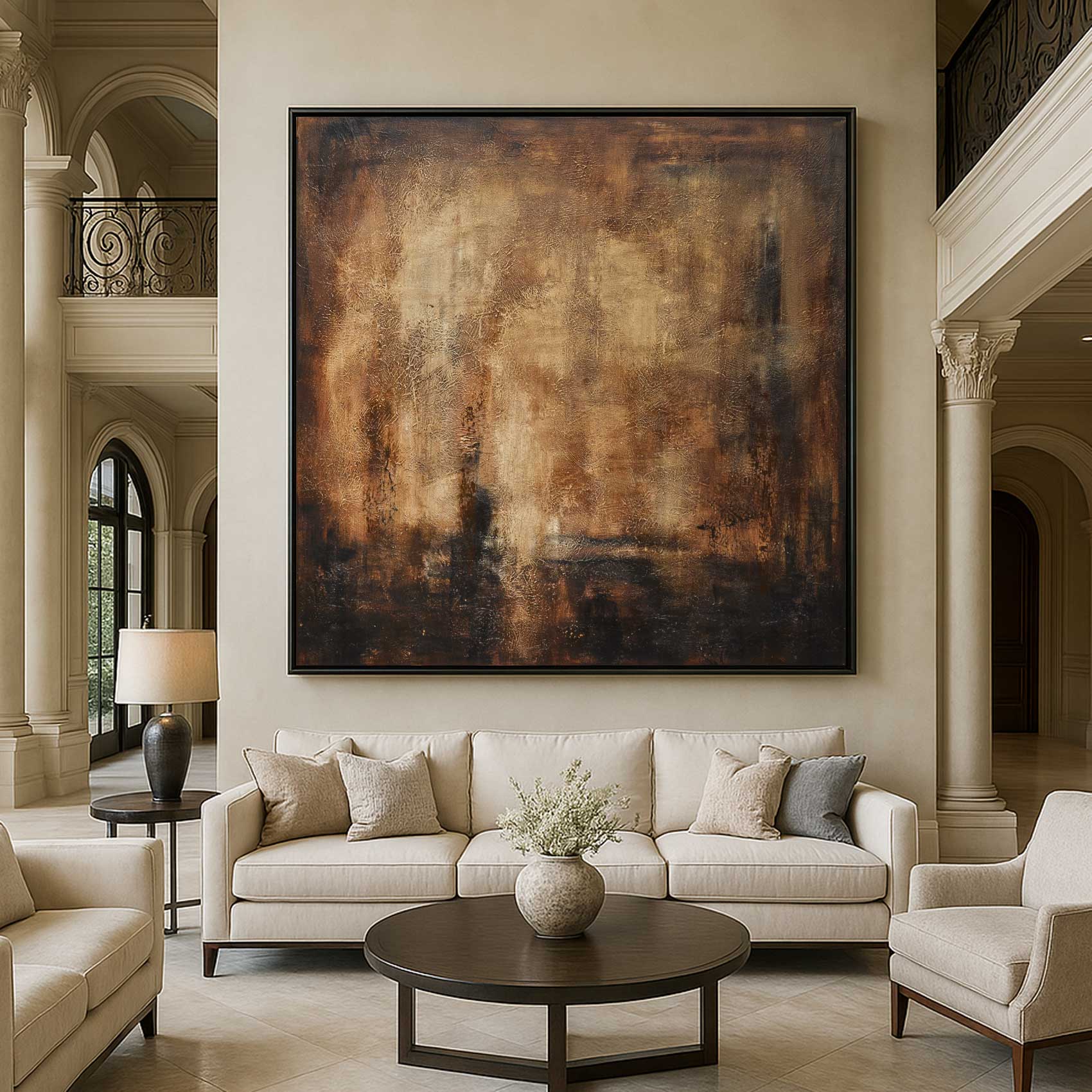
When choosing a wabi sabi painting, scale and placement matter. Larger pieces tend to have the strongest impact, especially when given enough space to breathe. Avoid overcrowding the surrounding area. Let the painting stand on its own, supported by clean lines and natural materials. A simple float frame, often in black or wood tones, enhances the artwork without distracting from its organic qualities.
Ultimately, wabi sabi paintings are about creating a sense of balance. They remind us that beauty doesn’t have to be perfect or complete. A rough edge, a faded tone, or an uneven texture can be just as compelling as something polished and precise. By bringing these elements into your home, you create an environment that feels more grounded, more intentional, and more connected to the natural world.
This collection is curated with that philosophy in mind. Each piece is designed to embody simplicity, texture, and quiet elegance, offering timeless artwork that feels both modern and deeply rooted in tradition.